I write for young readers, otherwise known as children, and am grateful for those in the kidlit community who’ve used their considerable platforms to lead after crafting a powerful letter to Biden and other electeds regarding the ongoing genocide in Gaza where there are one million children. Shout-out to Sandra Proudman, Sara Solara, Agnes Monodaze, Tiffany Liu, Rhonda Roumani, Emma Ilene, NoNieqa Ramos, Beth Phelan, and the team at Books for Palestine!

PLEASE read the letter below (citations in link) and add your voice to the global chorus calling for an end to this genocidal madness. As of an hour ago, the letter has nearly 5,000 signatures! We’re at the halfway point of this campaign which ends at the end of day on January 28 AND halfway to the goal of 10,000 signatures. Add your name to increase the impacts of this effort.
Who can sign? Writers, illustrators, agents, editors, other publishing talent, readers, reviewers, librarians, and teachers. If you’ve ever read and enjoyed a children’s book, you are part of the kidlit community. 🙂
Here’s the powerful letter:
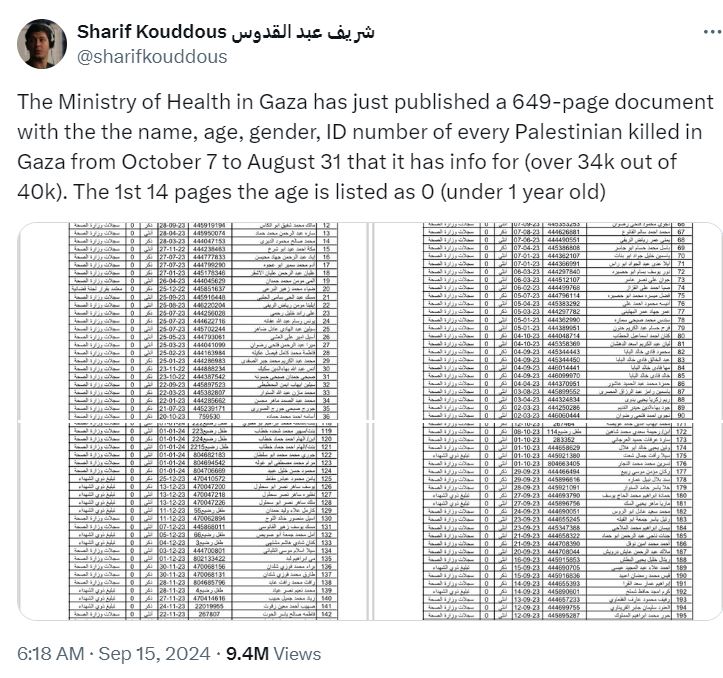
Dear President Biden, We’ve come together as children’s authors, illustrators, agents, editors, and other publishing professionals across the U.S. and beyond who have witnessed the indiscriminate bombing and ground invasions of Gaza by Israeli forces over the last 100+ days. These attacks have resulted in more than 31,000 Palestinians killed. 12,000 of these victims are children of a median reported age of five years old (1). Thousands more Palestinian children still remain buried in rubble and are unaccounted for. This is an impossible number to comprehend for anyone who honors the sanctity of life.
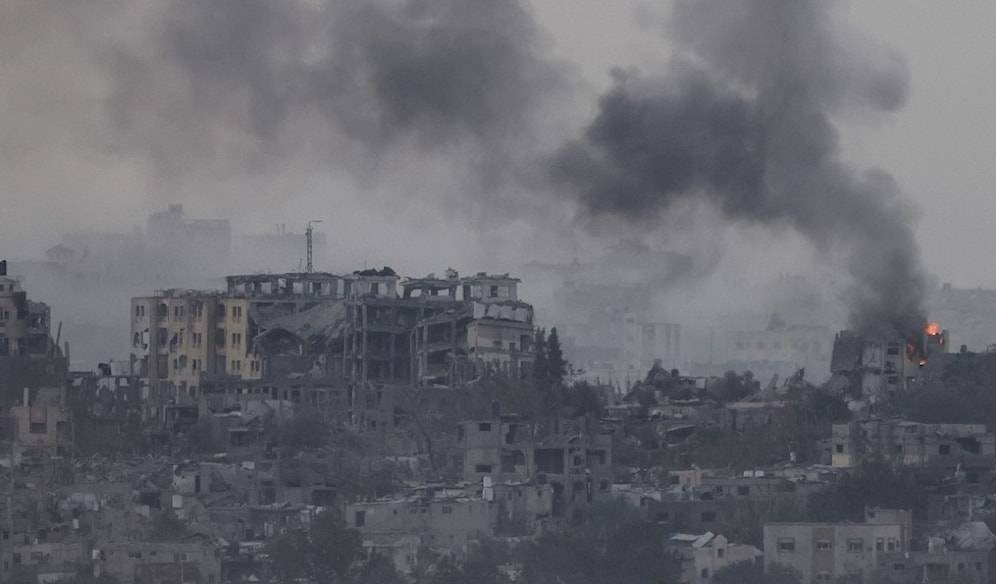
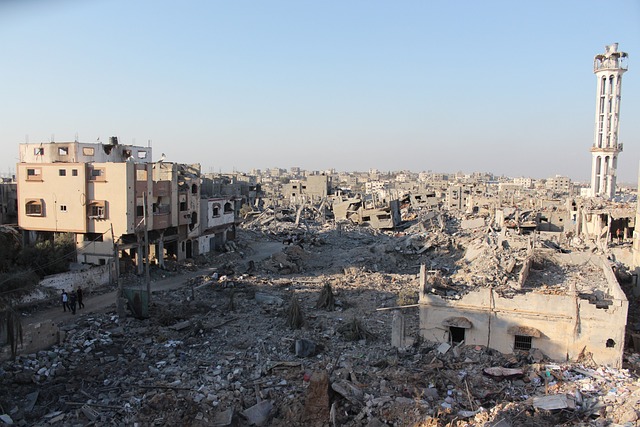
It is estimated that Israeli forces have destroyed 70% of homes (2) and displaced 85% of the population in Gaza (1). Approximately one million children are without shelter, food, and safety as a result of Israel’s military dropping over 65,000 tons of bombs in Gaza (3), targeting civilian homes, hospitals, holy places, and educational facilities. The U.S. government has provided 15,000 bombs to Israel, along with $3.8 billion a year in military funding paid with our tax dollars (4).
Thousands of Palestinian children have been permanently disfigured, with over 1,000 suffering the amputation of one or more limbs, in an area half the size of Austin (5). It is estimated that 10 more children undergo amputations without anesthesia with every passing day (6). In addition, Israeli forces have used white phosphorus (7), an internationally banned chemical weapon, to inflict burns so severe that doctors have not been able to treat them properly given the scarcity of medicine under the Israeli blockade on Gaza. As a group of Palestinian kids shared in their own press conference held outside Al-Shifa Hospital in Gaza City on Nov. 7, 2023, “The occupation is starving us. We don’t find water, food, and we drink from the unusable water. We come now to shout and invite you to protect us … We want to live as the other children live.” It is likely that at least some of these children pleading for their lives have been killed in the attacks since, as the Israeli military kills a Palestinian child every 10 minutes (8).
At the time of this writing, journalists in Gaza, more than 110 of whom have been killed by targeted sniper attacks and bombings, have risked their lives to report that Gaza’s last functioning hospital is under attack. All in the middle of a telecommunications blackout that has left Palestinians unable to even call for first responders. Social reports have shown that Palestinian children are dying not only from their injuries, but also from cardiac arrest and seizures due to traumatic stress and exhaustion as bombs rain down on them all day and night long. They are dying of hunger, thirst, cold, cancer, and other pre-existing illnesses (9). Furthermore, premature babies relying on incubators and other vulnerable patients are dying because the Israeli government has cut off Gaza’s electricity and fuel supply (10). The children of Gaza are in desperate need of humanitarian and medical aid to survive. So many children have lost their entire families that a horrific new designation “Wounded Child, No Surviving Family (WCNSF)” has officially been coined by the UN as a result of this unprecedented violence in Gaza.
UNICEF Executive Director Catherine Russell has clearly stated: “Children at high risk of dying from malnutrition and disease desperately need medical treatment, clean water and sanitation services, but the conditions on the ground do not allow us to safely reach children and families in need . . . Some of the material we desperately need to repair and increase water supply remain restricted from entering Gaza. The lives of children and their families are hanging in the balance. Every minute counts.”
As children’s publishing professionals, we create our work for the sake of all the children in the world–without exception. Our collective conscience compels us to call for our leaders to protect the most vulnerable and precious members of our global society. We oppose Israel’s mass killings, with the vastly documented intent to destroy all Palestinian people (11). These actions clearly constitute acts of genocide, as reported in the irrefutable case brought by South Africa at the International Court of Justice, and must be treated as such. We are deeply alarmed that you’ve blocked a ceasefire that would have stopped these killings at the UN, bypassed Congress twice to send Israel $253.5 million in additional weapons last month (12), and requested another $14.3 billion in weapons to be used in these mass killings.
We are adding our voices to the widespread call from U.S. Congressmembers, UN General Assembly, WHO, UNICEF, Jewish Voice for Peace, Doctors Without Borders, Amnesty International, The International Committee of the Red Cross, and many other organizations—along with millions of U.S. citizens. As advocates for children, we demand that you, the President of the United States, along with the U.S. Congress, immediately join the leaders worldwide who are calling for a permanent ceasefire in order to safeguard the future of every Palestinian child still living in Gaza and the West Bank, as children in Gaza have grown up trapped under siege all their lives—to give them a chance at the joy and freedom that every child around the world deserves.
There is undoubtedly an immensely long road of healing for the one million children in Gaza and their families who have been reduced to human collateral since the tragedies of October 7th, ones that we also grieve. Our deepest desire now is that the children and all civilians affected are immediately allowed the chance to start healing. Every minute counts.
President Biden, we call for a PERMANENT CEASEFIRE NOW and an end to the siege on Gaza.
Here’s the link to the full document, including the letter, citations, signatures gathered thus far (there is an option to sign without displaying your name), graphics and text to share, plus further actions you can take on behalf of Palestine during this week of the Global Strike. PLEASE share with your networks!
Thank you for speaking out on behalf of Palestinian children and their families! Solidarity! 🇵🇸 ✊🏽













 Tracy Abell