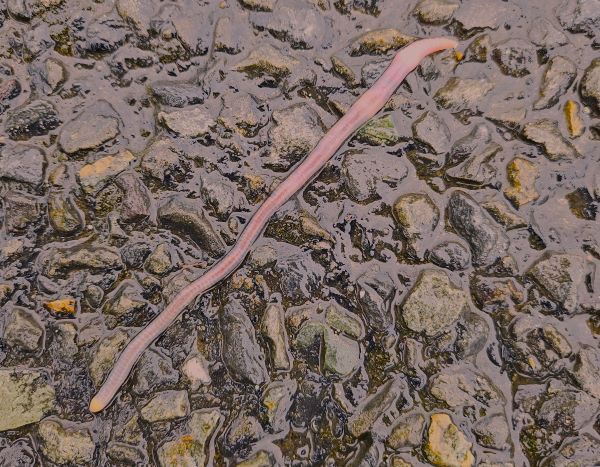
returned to the soil
true grassroots activism
mission: worm rescue
returned to the soil
true grassroots activism
mission: worm rescue

nature’s lost and found
entangled human impact
forgive us, mother
For years and years, I exercised my writing muscle as I wrote novels for young readers in hopes of publication and did so almost every day until my literary agent dropped me while we were on submission to editors in August of 2024. That split was a deeply traumatizing gut-punch and I immediately stopped writing the second draft of my work-in-progress. Unfortunately, I’d suffered a series of such gut-punches and couldn’t put myself through that process ever again, so I quit. The thought of getting my hopes up again only to be cast aside without thought by someone I’d considered my advocate was too much to bear. It was painful not having my creative outlet but it seemed best for my well-being to stay out of that arena.
Eventually, I couldn’t ignore the creative itch or GRAPPLE which was the manuscript that’d been on submission. I reread then revised it, cutting over 10,000 words in the process, and was so happy being in that mode again! I truly do love me some revision. I’m so freaking proud of that very timely story (friendship story set against the backdrop of a small town divided over the presence of a private prison and proposed expansion of a detention center) and submitted the manuscript to one publisher that accepts unagented submissions. Now I’ve started thinking about another project I started and abandoned years ago. It’s unlike anything I’ve written and I’m kinda-sorta considering revisiting it. I do so love writing middle grade novels. At the same time, I’m also very tired of writing books that are never read by my intended audience. Anyway, I’ll sort through all the feelings and do whatever’s best for me.
Why am I sharing this now? Because earlier this week I struggled big-time to write a 3-minute comment I’d planned to present to city council last night. And that struggle was probably due to the fact that my writing muscle had gotten rusty. Writing for young readers had been such a huge part of my daily life and now I wasn’t doing it. How could I keep in shape?
*smacks forehead*
Hello, maybe you could fully utilize that blog you call “Another Day On the Planet”?
So here I am, publicly recommitting myself to this space and my writing. As mentioned before, I love reading old posts about stuff I’d completely forgotten. And in that spirit, I’m going to document a few things now before they also slip my mind.
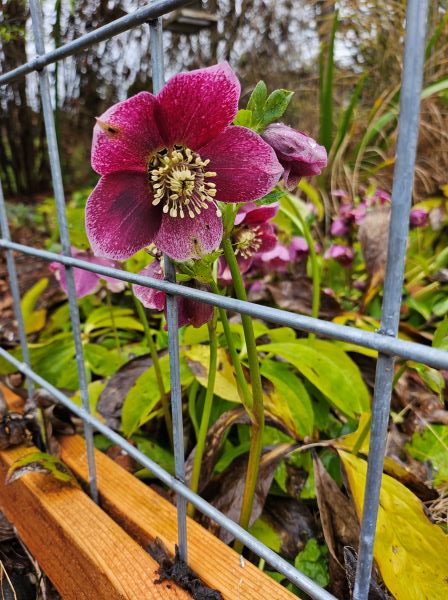
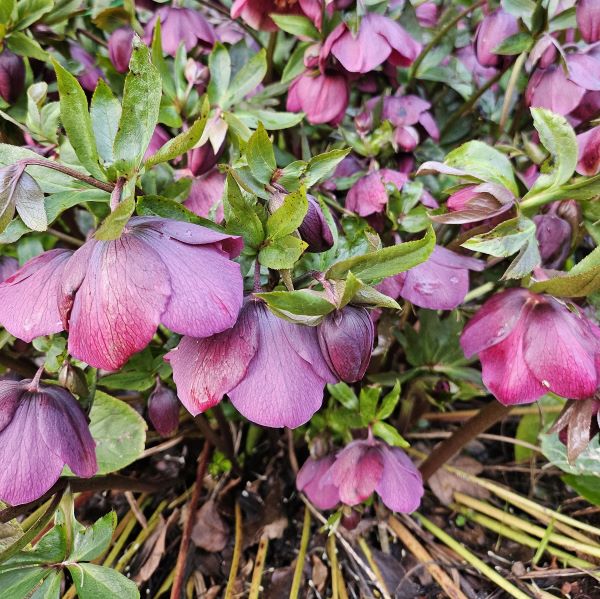
One last thing to share: hellebore plants in the front yard. The photo on the left was taken after today’s walk and the other from a couple weeks ago is the more common representation of these plants which like to hide their faces which mean’s today’s sighting is a gift, and that visibility is due to the fence’s support. All hail the hog wire!
December 28, 2025
arc of a diver
duck photography challenge
butt end of the deal
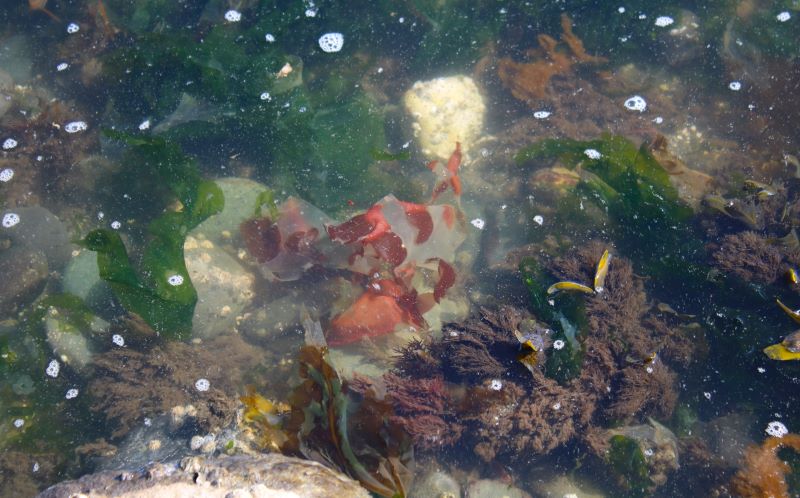
incoming tide
undulating seaweed
aquatic still life
look closely
who-who do you see
one great horned owl
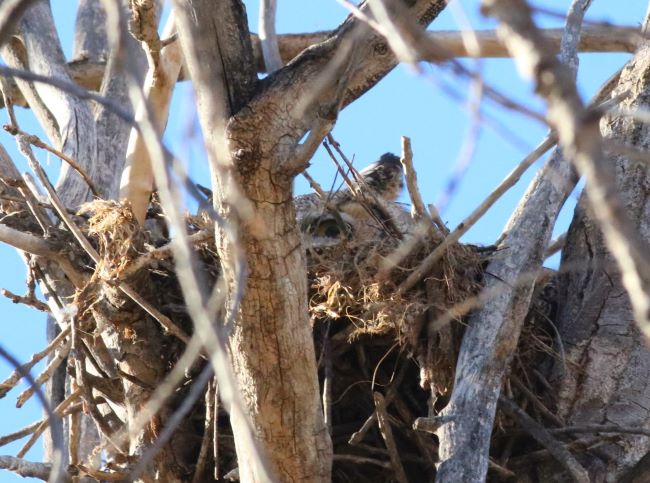
Bear Creek Greenbelt Park. February 28, 2025
Thank you, Amy Law, for showing me the owl nest. While we didn’t see American Dippers, it was still a lovely walk and talk.
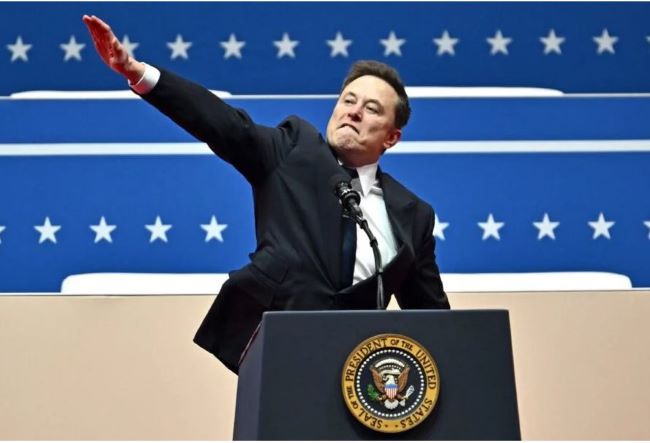
new administration
billionaire’s Nazi salute
believe what you see
NOTES:
1) The above shows Elon Musk at Trump’s inaugural parade on January 20, 2025. (Photo by ANGELA WEISS / AFP)
2) The American Defamation League (ADL) which supposedly exists to combat antisemitism, responded to Musk’s Nazi salute with this [emphasis mine]:
“This is a delicate moment. It’s a new day and yet so many are on edge. Our politics are inflamed, and social media only adds to the anxiety,” the ADL wrote in a Monday post on Musk’s social platform X. “It seems that @elonmusk made an awkward gesture in a moment of enthusiasm, not a Nazi salute, but again, we appreciate that people are on edge.”
In case you’ve forgotten, last year the ADL decried the “antisemitism” of college students (many of them Jewish) who protested their tuition and taxes being used to fund the genocide in Palestine. Notably, the ADL url for their “Campus Crisis Daily” contains the words “no tolerance for antisemitism.” Apparently, ADL can tolerate Nazi salutes from white supremacist billionaires, but draws the line at Jewish students speaking out against genocide.
3) It’s not only the ADL tripping over themselves to excuse a Nazi salute, a TV weather forecaster from Milwaukee, Wisconsin, was fired after calling out Musk’s Nazi salute on social media.
4) NBC News edited their footage to remove the Nazi salute while the Washington Post referred to Musk’s appearance as “exuberant.”
5) Religion Dispatches breaks down the media coverage in the U.S. and around the world: While Global Media Are Clear on Musk’s Nazi Salute US Media Engage in ‘Nazi-Washing’
6) This is a very good time to remember George Orwell’s book 1984:

For above graphic: h/t to @thelazycanuck.bsky.social
Take them at their words and actions. Believe what you see. Reject the gaslighting.
I’ve been losing myself in revisions of my middle grade novel–grateful for the distraction from this brutal reality–and am close to being finished.
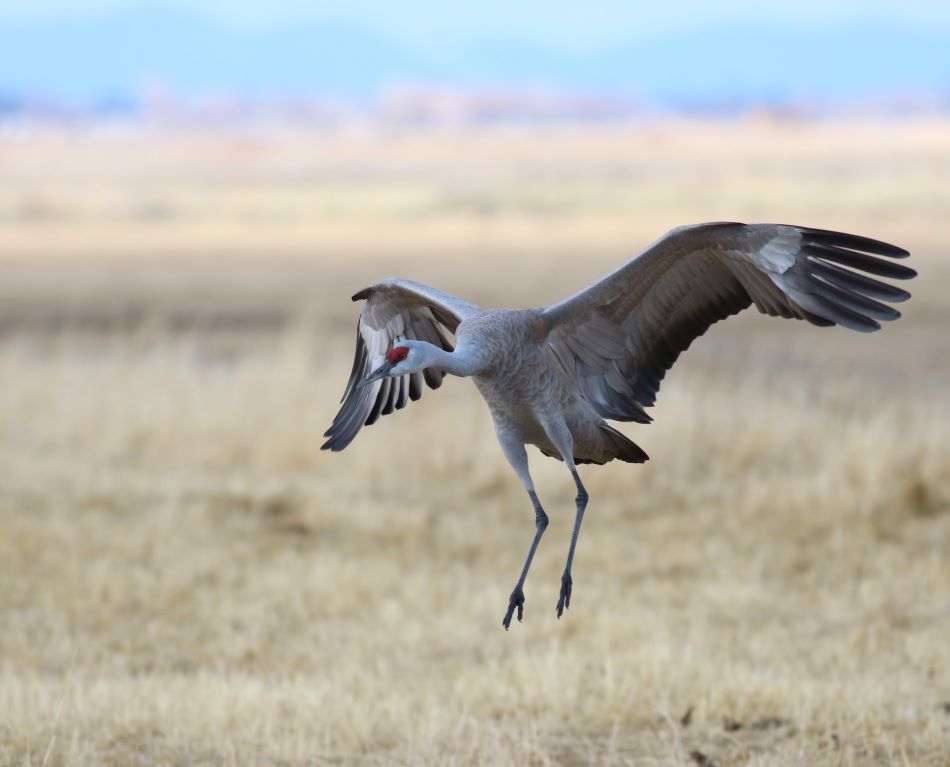
Sandhill Crane at Monte Vista National Wildlife Refuge. March 12, 2024
While I’m still a day or two away from being done, I believe in celebrating every step along the way. So, today I celebrate myself and this project as I prepare for the final landing. Yay!
Earlier this week, I highlighted how anti-Zionists in the Jewish community are being targeted by Jewish institutions, schools and synagogues, for expressing solidarity with Palestinians. It’s a heartbreaking situation that has fractured communities and led to feelings of pain and isolation for those bravely speaking out on behalf of our shared humanity. Unfortunately, that’s not the only community being torn apart over Zionism.
Writers are also facing the same kinds of pressure from literary institutions. Yesterday, Truthout published the following from author Lisa Ko: “Literary Institutions Are Pressuring Authors to Remain Silent About Gaza.” The article begins with this (emphasis mine):
When writer and disability justice activist Alice Wong received a MacArthur Fellowship earlier this month, she shared a statement about accepting it “amidst the genocide happening in Gaza.” The backlash was swift, with a deluge of posts on X attacking Wong’s character and accusing her of antisemitism.
This conflation of opposition to Israel’s military action with hatred of Jewish people is only one part of a broader wave of political and social repression that is attempting to silence writers speaking out against the war. In the past month alone, authors who have criticized Israel’s ongoing bombardment of Gaza — which is funded largely by the U.S. — have been labeled extremists, been suspended and fired from faculty jobs, and targets of defamation and harassment.
Ko goes on to detail how she received death and rape threats as a result of her expressing concern for the safety of a Muslim woman scheduled to be on an upcoming Writers Institute festival panel with Ko. However, Writers Institute isn’t the only institution pressuring writers to remain silent in the face of genocide. PEN America holds this mission statement — “PEN America stands at the intersection of literature and human rights to protect free expression in the United States and worldwide” — and yet feels comfortable pressuring authors to keep their mouths shut in order to be eligible for literary prizes.
A culture that demands certain political allegiances from its writers and artists at the risk of losing career opportunities is one that is antithetical to democratic values, and harkens back to the McCarthy-era Hollywood blacklist that barred writers from employment on suspicions of “subversive” and “un-American” leanings.
I write for young readers and for many, many years belonged to and volunteered for the largest international organization dedicated to children’s writing and illustration: Society of Children’s Book Writers and Illustrators (SCBWI). I cancelled my membership several years ago because of how SCBWI treated a Palestinian woman who questioned SCBWI’s one-sided support for Israel following an attack on Gaza. I’ve never regretted that move, especially since SCBWI, which exists purely on behalf of creators for children, remains silent in the face of a genocide in which children are being shot in the head by snipers. I now belong to Story Sunbirds: a kidlit collective of authors and illustrators who stand up for children with all our hearts. I feel much more comfortable in that community.
Reading Ko’s article made me incredibly sad. Institutions that supposedly exist to uplift voices and create stronger bonds between humans all around the globe are instead using coercion and threats to keep people from speaking out on behalf of fellow humans. Please take a few minutes to read the article: “Literary Institutions Are Pressuring Authors to Remain Silent About Gaza.”
We can’t stop talking about Palestine.
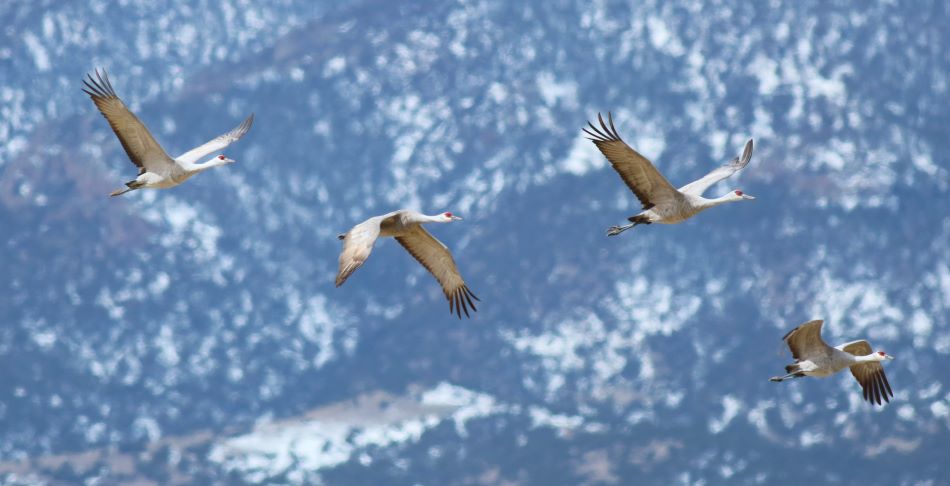 synchronized flight
deceptively effortless
sky ballet
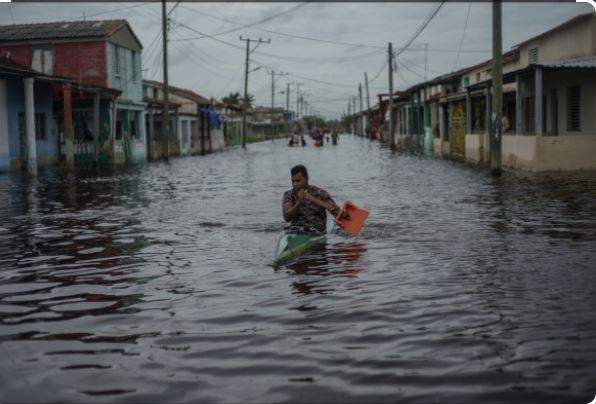
AP Photo / Ramon Espinosa
streets filled with water
millions without power
climate catastrophe

towhee conundrum
abundance of insects
but only one mouth
your turn
hit me with a haiku
please
 self-conscious youngster
hiding in shadow
bad hair day
eta: photo by Zippy, July 7, 2024

empire in decline
held hostage by duopoly
zombification
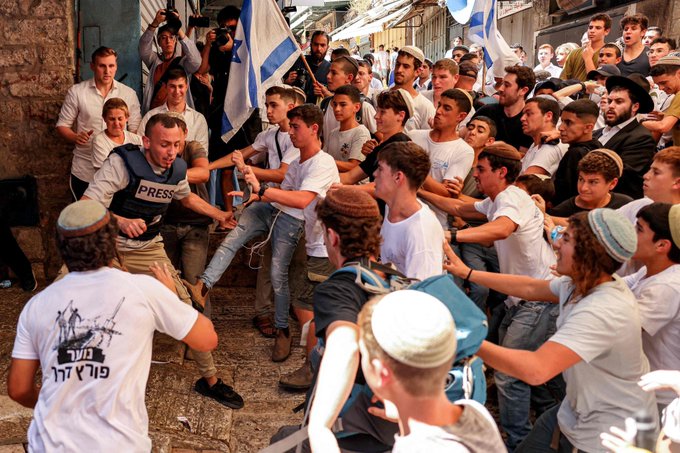
religious school mob
attacks journalist
supremacist frenzy
Note: this happened on June 5 in occupied Jerusalem during the “Flag March.” Palestinian journalist Saif Al-Qawasmi was attacked, first by students of a religious school and then beaten by Israeli police. Journalist Nir Hasson tried to protect Qawasmi and was also beaten. Hasson, who works for the newspaper Haaretz, took this photo. Other images can be seen here.
Dear tracyabell.com,
Do you know that the children’s book market is an untapped gold mine? According to recent data, it’s a booming $4 billion industry in the US alone!
Did you also know that an increasing number of parents and educators are turning to online platforms to find engaging and educational children’s books? Over 60% of children’s books are now purchased online!
Now, here’s the real kicker: with the brand new A.I. Children’s Book Maker, you can easily tap into this lucrative market: https://www.moregold.xyz/aichildrens
This innovative web app uses artificial intelligence to write and illustrate high-quality children’s books in just minutes. No need for writing or illustrating skills.Just input your idea and let the AI bring your story to life.
Imagine creating a unique product for this thriving market, without the traditional overhead costs of book publishing. This could open up a significant new revenue stream for you.
Don’t miss out on this. The launch special will be ending soon:
https://www.moregold.xyz/aichildrens
Try the A.I. Children’s Book Maker today and take your entrepreneurial journey to the next level.
To your success,
[name redacted]
Me again. You can probably guess what it felt like to pivot from working on the second draft of my own children’s book to reading this message that proudly proclaims there’s zero need for writing or illustrating skills in the children’s book market. Ugh. As if this journey to traditional publication doesn’t already offer just slightly better odds than winning the lottery and as if those of us who write for children aren’t already subjected to the attitude that we obviously don’t write well because otherwise we’d be writing for adults, I then discover I’ve been going at this writing endeavor all wrong!
Silly me! Instead of doing research, creating a rough outline, lying awake thinking about plot and characters, writing an entire first draft, soliciting feedback from my critique group, taking a whole bunch of notes, reworking my outline and tweaking the characters, and then beginning the second draft, I could’ve just plugged my story idea into an app!
Except, right after reading that spam I remembered seeing something a while back about A.I.-generated children’s books. Let’s see what Sondra Eklund, librarian, has to say on the topic: Beware AI-produced Children’s Books! I recommend reading her entire post, but here’s a sampling of what she wrote after ordering a children’s “factual” book about rabbits for her library system:
The book starts out extremely repetitive and very poorly worded. There’s no logical progression between sentences, and some sentences repeat on later pages, except often with contradictory information or in a slightly different form. It’s got stock photo images and clip art text pages.
Here are quotes Sondra provides from the final spread in Rabbits: Children’s Animal Fact Book:
If you’ve ever had the pleasure of feeding a rabbit, you’ve probably wondered how they reproduce. The answer is simple: they live in the wild! Despite being cute and cutesy, rabbits are also very smart.
They can even make their own clothes, and they can even walk around. And they’re not only adorable, but they’re also very useful to us as pets and can help you out with gardening.
Apparently, not only do you NOT need any skills to write for children, you also do not need to be factual or even reality-based. If A.I. (which does include the word “Intelligence,” after all) says that rabbits make their own clothes and will refrain from eating all the lettuce in your garden, who am I to argue?
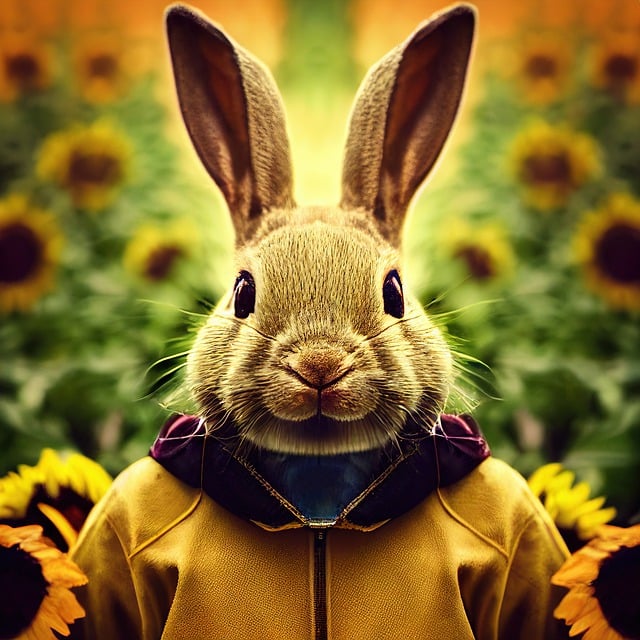
Image by freeillustrated from Pixabay
And then to add insult to injury, this article came out today, quoting the CEO of Sony Pictures Entertainment:
Sony Pictures Entertainment (SPE) CEO Tony Vinciquerra does not mince words when it comes to artificial intelligence. He likes the tech — or at the very least, he likes the economics.
“We are very focused on AI. The biggest problem with making films today is the expense,” Vinciquerra said at Sony’s Thursday (Friday in Japan) investor event. “We will be looking at ways to…produce both films for theaters and television in a more efficient way, using AI primarily.”
Yippee skippee! Let’s cut all humans out of the creative process! I mean, what could possibly go wrong there? But please don’t think widespread use of A.I. will only impact art, literature, and jobs. There’s also a grave environmental impact: AI Is Accelerating the Loss of Our Scarcest Natural Resource: Water

gun-wielding soldier
threatened by knowledge
scholasticide
Note: Israeli soldiers burning books at Aqsa University & posing for photos first reported here
On a personal level, 2024 has brought an awful lot of pain and hardship to people I love, making these first five months feel like an entire year has already passed. And when I factor in the horrors of the U.S.–sponsored genocide of Palestinians, the emotional weight of these days is almost more than I can bear. But I’m now finding consistent refuge in my writing because I’ve made it a daily priority.
Rather than trying to cram a writing session into whatever slots I could find in my days and then saying oh-well if it didn’t happen, writing is now (again) part of my morning routine. As a result, I’ve been making slow progress on the second draft of my middle grade novel. I typically work for 60-90 minutes and that’s enough to keep me (mostly) centered for the rest of the day. That routine and commitment to my creativity keep me afloat, although some days I look and feel like this disheveled Northern Shoveler.

Lake Hasty. April 2, 2024
As Ray Bradbury said, You must stay drunk on writing so reality cannot destroy you.
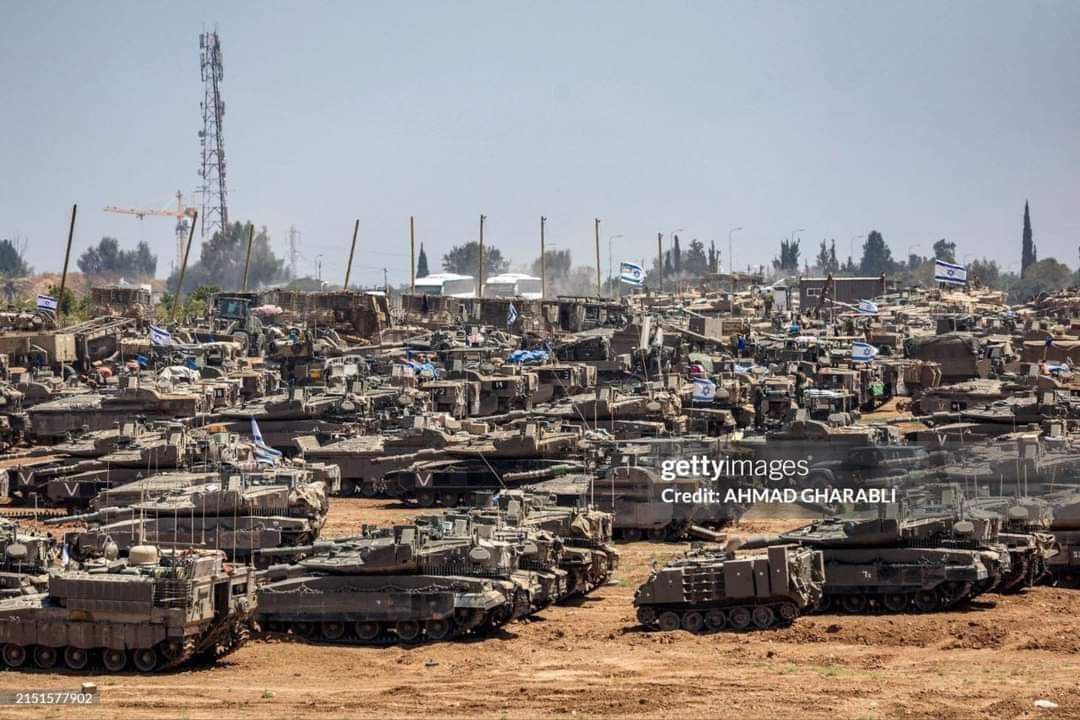
tanks east of Rafah
target: families in tents
our taxes bought this

momentary roost
six-foot wings softly rustle
off to recycle
your turn
hit me with a haiku
please
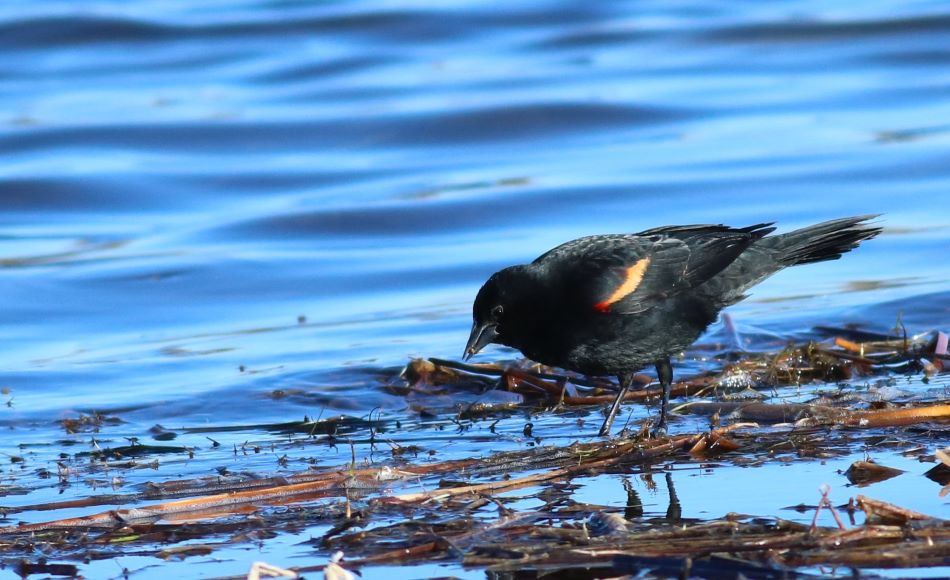 wading for breakfast
fuel for upcoming concert
cattail aria
your turn
hit me with a haiku
please
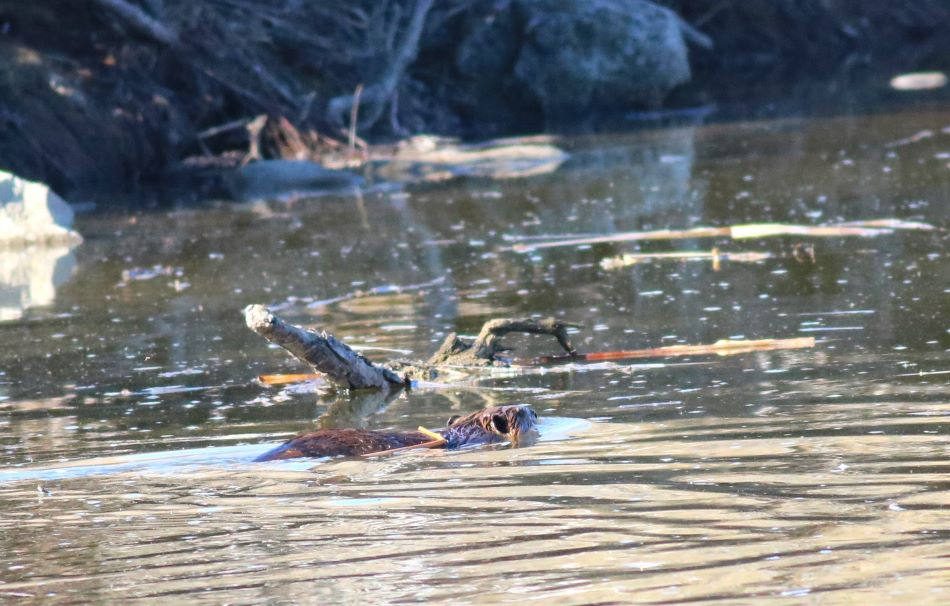
one busy beaver
broke crepuscular habit
daytime glimpse for me
your turn
hit me with a haiku
please
The following poem by Palestinian-American Fady Joudah and artwork by children’s book illustrator Sohila Khaled come from the recently published Poems for Palestine which was created by Publishers for Palestine. They’ve provided a PDF of the chapbook and we are encouraged to share the work widely. (click to enlarge images)


I also wanted to share this TIME article (by Armani Syed) from early January: How Poetry Became a Tool of Resistance for Palestinians which ends with this from George Abraham, a Palestinian-American poet: “. . . it’s imperative that poetry is just one tool in the process for Palestinian liberation and resistance against ethnic cleansing.
“Poetry can’t stop a bullet. Poetry won’t free a prisoner. And that’s why we need to do the political organizing work as well,” they say. “But if we can’t imagine a free liberated world in language, how can we build one?”
Free Palestine!
I’m in the final stretch of revisions before sending the middle-grade manuscript back to my agent so the book can go on submission in the new year. The work feels both like a blessing and a curse. I’m grateful to be able to focus on something besides the horrific reality of our government’s complicity in the genocide in Gaza, but also sometimes feel selfish for escaping reality. Deep inside, I know that’s silly, and not only because the story I’m revising focuses on righting societal wrongs.
I also realize it’s silly to begrudge myself my creative outlet because we all need a refuge, whether it’s via the art we create or connection to the natural world.

July 20, 2023
In that spirit, I’m offering this Painted Lady on a sunflower. I photographed this in July and gazing upon their interconnectedness replenished my spirit as soon as I found it in my files. Maybe this image will do the same for you.
This essay is from Light in Gaza: Writings Born of Fire (August 2022) which is available as a free ebook from Haymarket Books. As the U.S. continues to fund and supply bombs for Israel’s genocidal campaign and as the corporate media continues to portray Palestinians as non-persons (even as Israel targets Palestinian journalists for assassination), the images captured by Palestinian civilians often provide the only window into their horrific reality.
Here, though, from Asmaa Abu Mezied, is a powerful explanation for the intent behind those photos and videos.

On Why We Still Hold Onto Our Phones and Keep Recording by Asmaa Abu Mezied
Why would someone running from falling Israeli missiles or huddled together with their family next to the rubble of a neighbor’s destroyed home, surrounded by artillerty shelling, be holding their phones to record the horror around them? (I have often seen these questions on social media, which displays an utter disregard for Palestinian suffering.)
I am writing this for us, not for them.
We hold onto our phones for dear life because we have learned the hard way that documenting what we are going through is very important to ensure that our narrative remains alive and remains ours. Our stories, our struggle and pain, and the atrocities committed against us for more than seven decades are being erased. The Israeli journalist Hagar Shezaf explained how Israeli Defense Ministry teams systematically removed historic documents from Israeli archives, which describe the killing of Palestinians, the demolition of their villages and the expulsion of entire Palestinian communities. (1) This is part of Israel’s attempt to constantly rewrite history in its favor. So, we hold tight to our phones and record.
We record to resist the labeling of our people as unworthy, if not inhuman, by the so-called “objective” Western media, which can barely say our names and tell our stories. We are always portrayed as terrorists, violent people–or as numbers, abstract and formless. We are repeatedly asked to prove our humanity so media channels can give us a few seconds of airtime.
So, we record to document not for their sake but for ours. We have been systematically brainwashed by the media to apologize for demanding justice. There is no gray area in calls for freedom or equality.
We hold onto our phones and leave the camera rolling, recording our tears, our screams at losing our fathers, mothers, sisters, brothers, and children, our anguish, our attempts to run for our lives, our crippling fears, our powerlessness to calm our children when our houses shake with the deafening sound of death delivered by F-35 missiles sent with love by the US government.
We hold onto that phone and leave the camera rolling to preserve our tormented calls to our mothers to stay alive under the rubble of our destroyed homes, our voices crying goodbye to our loved ones at their graves, trying to sound strong but failing, betrayed by our trembling lips and tear-filled eyes.
We must record our prayers to survive, our children’s joy when they find their toys intact and their pets alive. We record our strength and our vulnerability, our disappointment in our leadership, and our rage at the silence of the world. We record the smoke, the blood, the lost homes, the olive trees targeted, and livelihoods stolen. We record how much we aged and how much we continue to love life even though life doesn’t love us back.
We record for future generations, to tell them this is what truly happened. That we stood here, demanded our rights, fought for them, and were annihilated. We record not to humanize ourselves for others, but so that future generations will remember who we were and what we did . . . to warn them against all attempts at erasing our existence.
We record our plea for humanity’s help to end this horror, which is more than our cameras can bear.
————————————————–
(1) Hagar Shezaf, “Burying the Nakba: How Israel Systematically Hides Evidence of 1948 Expulsion of Arabs,” Haaretz, July 5, 2019.
 Tracy Abell