
Hoop danced this morning,
the circle is now broken.
Turbo hip action.
.
Hoop danced this morning,
the circle is now broken.
Turbo hip action.
.

I’ve started working again on a project that I put on hold in 2012 because I didn’t feel equipped to do it justice. I’m still not insanely confident about my abilities (after all, I am a writer), but I’m pushing ahead.
Last night my Writing Roosters critique group got together, and one of the members spoke of her current process as she drafts another book in a series. She said that for her, outlining and research could turn into a form of procrastination, and that it was important to just get writing and trust that that other stuff will sort itself out along the way. I realize that isn’t a new concept, but it was one of those right-comments-at-the-right time things, and it went ping in my brain.
That’s exactly where I’ve been with this project; reacquainting myself with the characters and plot, doing more and more research. Thinking I had to get most every detail nailed down. Obviously, that’s false. Because as it says in STOP THAT BALL! : Could this go on all day and night? It could, you know, and it just might.

One of the best read-alouds EVER!
So today I stepped away from the outlining and research rabbit holes, and started writing. I didn’t get a whole lot of words down, but I accomplished more than page numbers.
Take that, Steven Wright!
.
.

It’s nineteen degrees,
if I had wings I’d fly south.
At least I’m inside.
.

Ugly out there but
beauty is a rebel’s friend.
Must refill the well.
.

All pretense is gone
White House is billionaire’s club
They’ve ripped off the masks.
.
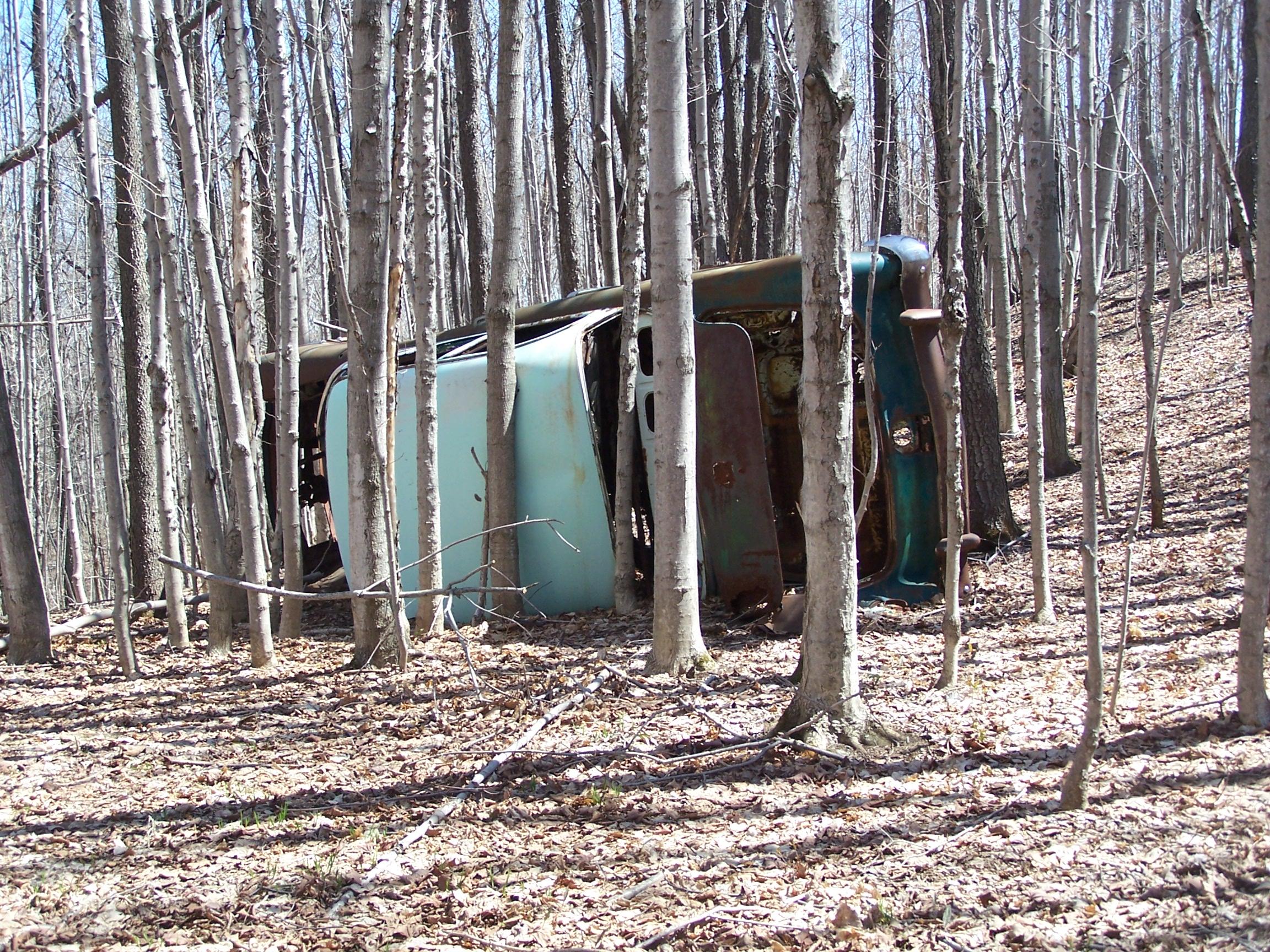
Going off the road just leaves me more time to be a writer.
~ Janis Ian
.

These were magical
on the dark December nights.
Time to take them down.
.
Fiction is too beautiful to be about just one thing. It should be about everything.
~ Arundhati Roy

I absolutely agree with Ms. Roy. Fiction should include the smooth, the rough, the soft, the sharp, the bright, the dull, the everything. Right now, however, I’m struggling with a bit of overwhelm in regards to the EVERYTHING I’m contemplating for this current project.
The good news is that I’ve (temporarily, at least) eluded my panic, and am whittling away at one piece of EVERYTHING that I hope belongs in the story. If it turns out this piece doesn’t belong, I will still have learned something.
Disclosure: That mature sentiment will fade if this project turns into one long-ass process of elimination.
.
I’ve written lots of stuff over the years and have quite a few thumb drives.

Going back to locate an old project used to be a pain in the ass. Well, not anymore! I FINALLY took the time to index my various drives and to move files around so that none of those projects are on multiple drives. (In case you’re judging me, I challenge anyone to work on a project off-and-on over the years and still maintain a pristine filing system. And yes, I do know about the cloud. Much of this stuff’s out there, too, but that’s a task for another day.)
Right now I’m very satisfied with my little box of thumb drives and index. Never underestimate the power of organizational wizardry. The world feels very bleak right now, and little victories such as this can stop me from running into traffic.
.

A banana box
becomes a cardboard playhouse
for a creative.
.

Easy to blame you,
smoldering wreck of a year.
But we own this mess.
.
If you happen upon this, writer-friend Linda Salzman, you might be happy to know that yesterday I finally, finally wrote the final scenes of the YA I’ve been wrestling with since the beginning of time. Are they perfectly written scenes? Hells no. Are they fleshed-out scenes? Absolutely not. Are they even close to being what they’d need to be in a final draft? HAHAHAHAHA.
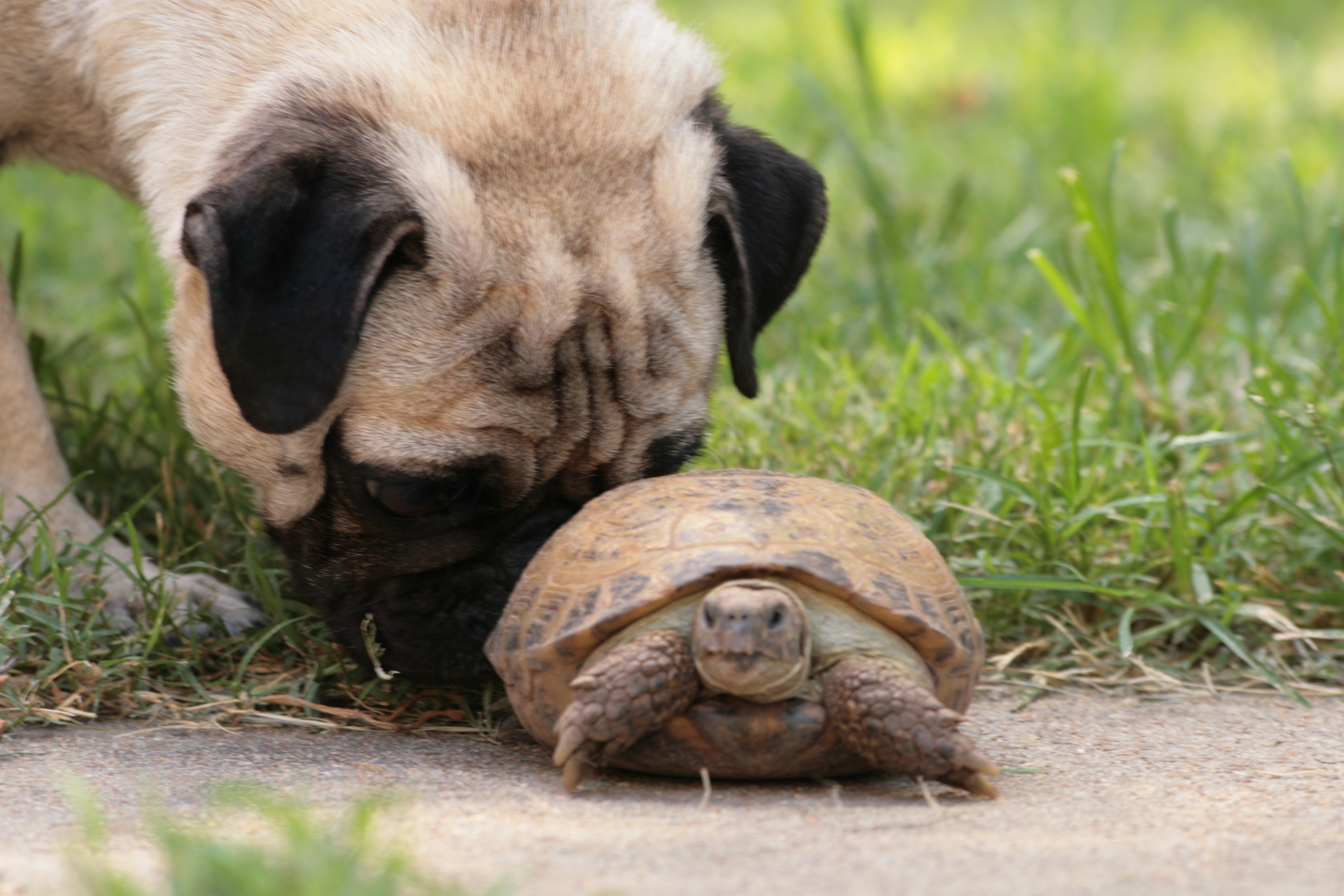
In which Linda is the pug offering encouragement (“Do it!”) to the tortoise-slow Tracy.
The scenes I wrote yesterday are, at this point, a collection of placeholder words. A roadmap for the next draft (should I ever have the inclination to wade into the manuscript that right now feels like a horrible, torturous place to spend time). I learned about the value of using placeholder words from writer-friend Laurie Schneider, and I must say it’s one of the most liberating tools in my writing kit. The pressure is off when I’m creating placeholder words; all that’s required of me is to literally hold the place in the manuscript with clues for my authorial intent. The details come later.
So after writing those scenes, I printed out a hard copy and wrote out a few notes for myself before packing everything away in an accordion file. At the soonest, I’ll read that manuscript again in a month. But I have a feeling it’ll take longer than that for me to muster enthusiasm. After finishing, I’d gone back to read the opening chapter, thinking it would fire me up by reminding me the rest of the book is stronger than the ending. *insert hysterical laughter* Turns out, I’d arrived at the THIS BOOK SUCKS MORE THAN A HOOVER stage, and it’s gonna take some time for those feelings to fade.
The good news? I’m already reacquainting myself with another project. This one has huge potential and fills me with excitement. So take that, nasty voice! (Also, I was very grateful for the distraction of this “new” project when I woke up in the middle of the night thinking about Debbie Reynolds dying the day after losing her beloved daughter.)
There are sad and horrible things happening all over the planet, but I’m grateful for the fictional worlds I create in my mind. Sometimes the pretend is the only thing keeping me from being crushed by the real.
.
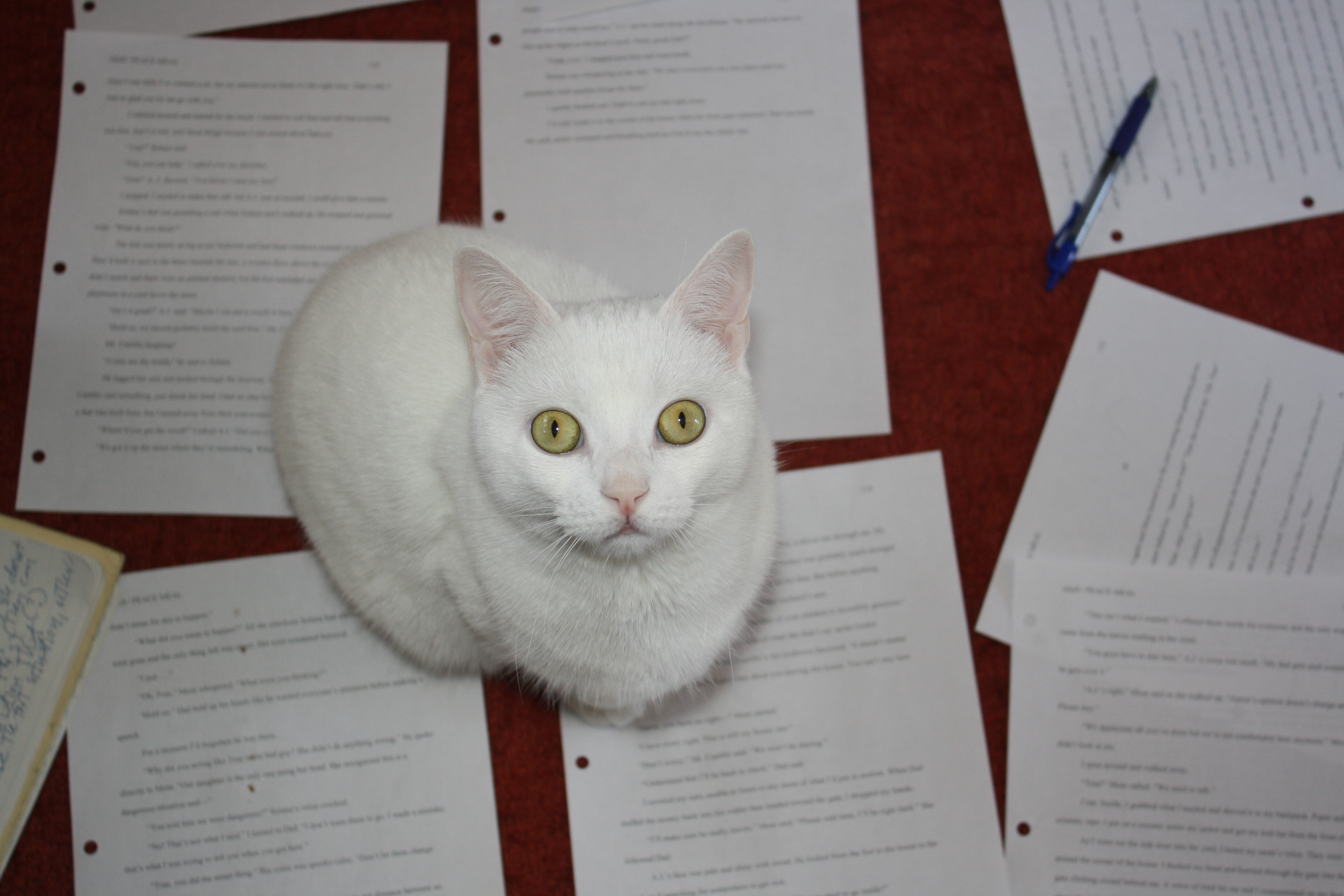
Marcel awaiting my next editorial move.
.
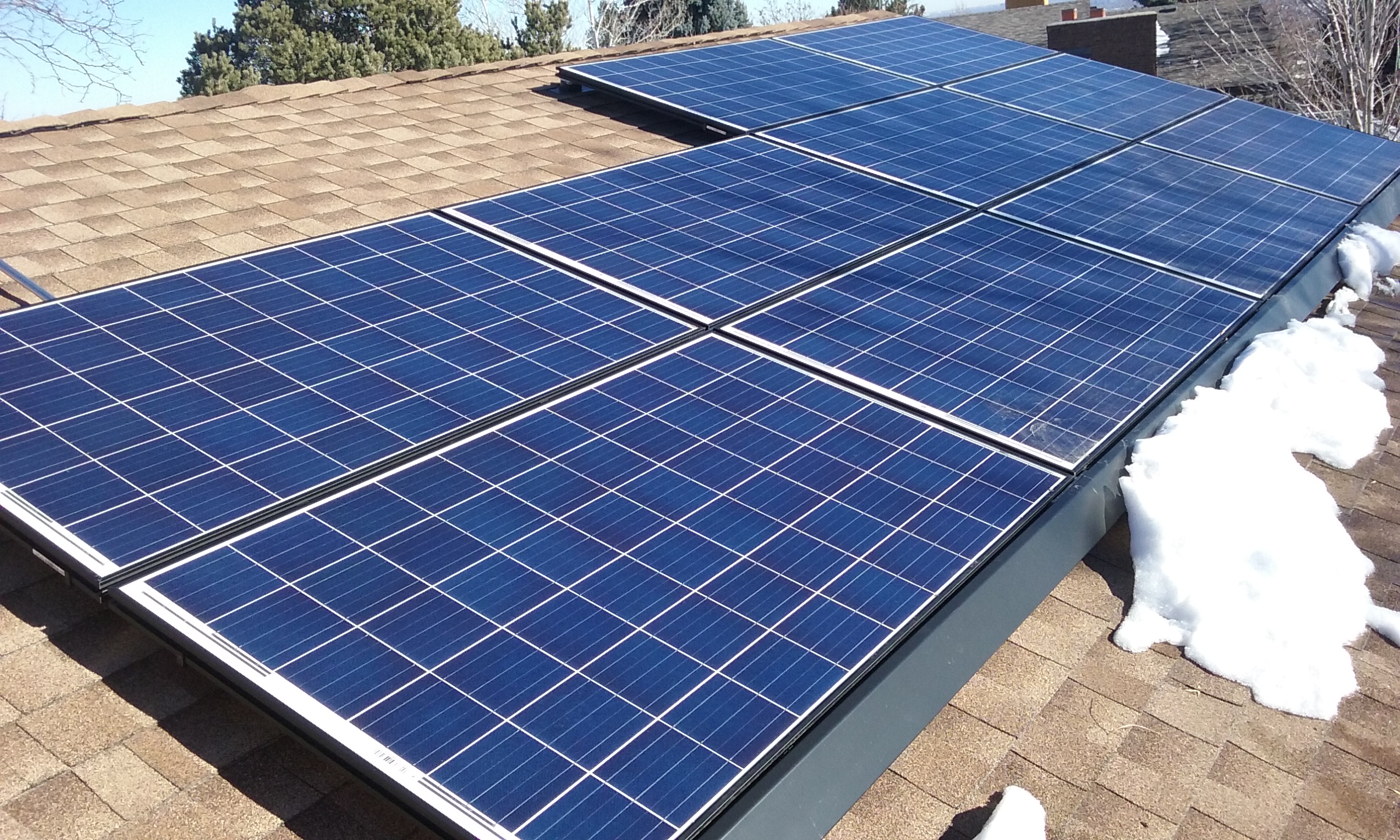
Our solar panels
soaking up free energy
sunshine is the best
.
Al Jolson once said, “A responsive audience is the best encouragement an actor can have.” Well, the same goes for writers. This morning I received an email from a writing friend that was not only incredibly generous, but also kind and encouraging. Her words have buoyed me all day, and I believe they’ll keep me afloat for quite some time.
I’m hoping I get the chance to do the same for someone else very soon.

.

Alert to danger
this dog isn’t man’s best friend
and she will whistle
.
I just read GOOD PROSE: THE ART OF NONFICTION by Tracy Kidder and Richard Todd. As the cover says, it is “Stories and advice from a lifetime of writing and editing.” I highly recommend this wise and funny book.
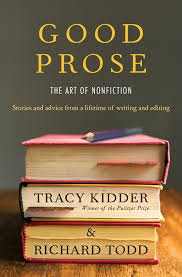 There are many gems scattered throughout (and not just for nonfiction writers, but anyone who loves playing with words), and one has been in the front of my brain since reading it:
I remember in college reading F. Scott Fitzgerald’s unfinished novel The Last Tycoon and studying a note that he left in the manuscript: “Rewrite from mood. Has become stilted with rewriting. Don’t look — rewrite from mood.” I reread those lines so often, trying to understand them, that they stuck in my memory. Fitzgerald knew that there are at least two kinds of rewriting. The first is trying to fix what you’ve already written, but doing this can keep you from facing up to the second kind, from figuring out the essential thing you’re trying to do and looking for better ways to tell your story. If Fitzgerald had been advising a young writer and not himself, he might have said, “Rewrite from principle,” or “Don’t just push the same old stuff around. Throw it away and start over.”
I’m getting close to The End (of this draft) of my YA project, and very much appreciate Mr. Kidder sharing Mr. Fitzgerald’s wisdom with me. Maybe it will reach someone else who needs it now.
.
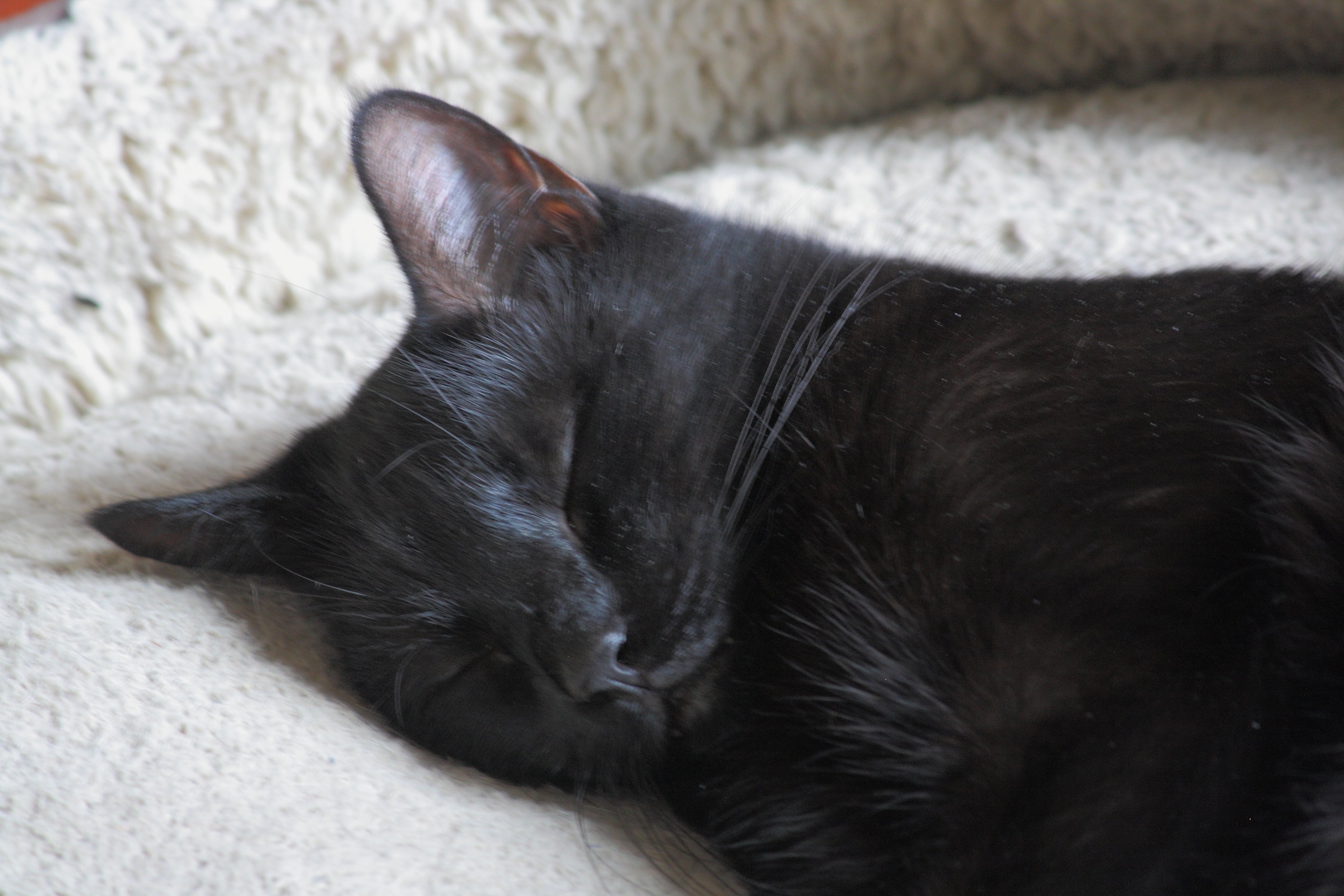
Played with the settings
now he’s not just a dark blob.
Black cats tire me out.
.
I’m ready to skip town.
Still not finished with this draft of the YA-from-hell.
Intended to finish by November 30 in my version of NaNo, but life intervened in a couple big ways and derailed those efforts.

This young hitchhiker could have walked out of the pages of my manuscript. (Photo by Atlas Green)
I have written several drafts of this book, but never the final scenes. While I’ve mapped out those scenes, they’ve never been fully realized. I’m starting to wonder if it’s a case of “talking myself out of a book;” in other words, precisely because I have visualized and plotted out those scenes, I’ve lost all interest in writing them. Maybe they already feel done? Maybe I’ve lost faith in my abilities and so want to give up? Maybe I feel my efforts would be better spent on a more high concept story?
I can’t help thinking that my uncharacteristic antipathy toward this project somehow holds the key to my stuckness. I also can’t help thinking that if I just wrote the effing scenes, I’d escape these circles of hell.
.

Click on image for full-gloom effect.
Out my window now
one dove in sea of brown-gray.
When’s the damned solstice?
.

Tracy with Zebu and Wildebeest.
Today’s my birthday,
lots of gifts over the years.
Love these two the most.
.

Coco and Zoey in 2009.
Saved from a shelter
eleven years together
Hole in Zoey’s heart.
.
For me, writing a novel is like having a dream.
Writing a novel lets me intentionally dream while I’m still awake.
I can continue yesterday’s dream today,
something you can’t normally do in everyday life.
~ Haruki Murakami

Writing a novel is a pretty cool gig, all right. Except for when the process turns nightmarish. Other than that, though, it’s a dream. Really.
.
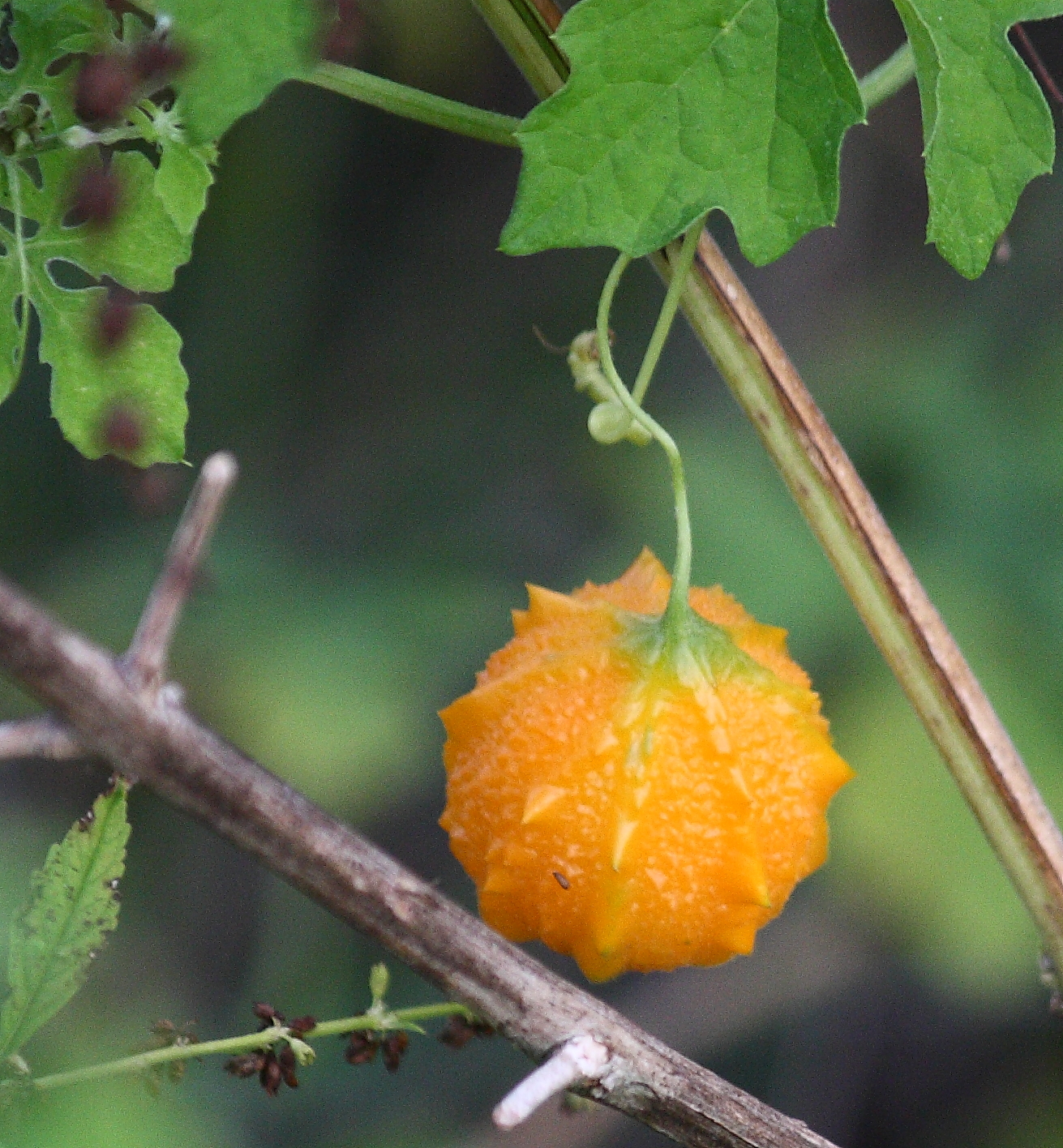
Trump don’t own orange.
See the beauty everywhere,
that way fear can’t win.
.
 Tracy Abell