Literary institutions to authors: don’t speak of Gaza

Earlier this week, I highlighted how anti-Zionists in the Jewish community are being  targeted by Jewish institutions, schools and synagogues, for expressing solidarity with Palestinians. It’s a heartbreaking situation that has fractured communities and led to feelings of pain and isolation for those bravely speaking out on behalf of our shared humanity. Unfortunately, that’s not the only community being torn apart over Zionism.

Writers are also facing the same kinds of pressure from literary institutions. Yesterday, Truthout published the following from author Lisa Ko: “Literary Institutions Are Pressuring Authors to Remain Silent About Gaza.” The article begins with this (emphasis mine):

When writer and disability justice activist Alice Wong received a MacArthur Fellowship earlier this month, she shared a statement about accepting it “amidst the genocide happening in Gaza.” The backlash was swift, with a deluge of posts on X attacking Wong’s character and accusing her of antisemitism.

This conflation of opposition to Israel’s military action with hatred of Jewish people is only one part of a broader wave of political and social repression that is attempting to silence writers speaking out against the war. In the past month alone, authors who have criticized Israel’s ongoing bombardment of Gaza — which is funded largely by the U.S. — have been labeled extremists, been suspended and fired from faculty jobs, and targets of defamation and harassment.

Ko goes on to detail how she received death and rape threats as a result of her expressing concern for the safety of a Muslim woman scheduled to be on an upcoming  Writers Institute festival panel with Ko. However, Writers Institute isn’t the only institution pressuring writers to remain silent in the face of genocide. PEN America holds this mission statement — “PEN America stands at the intersection of literature and human rights to protect free expression in the United States and worldwide” and yet feels comfortable pressuring authors to keep their mouths shut in order to be eligible for literary prizes.

A culture that demands certain political allegiances from its writers and artists at the risk of losing career opportunities is one that is antithetical to democratic values, and harkens back to the McCarthy-era Hollywood blacklist that barred writers from employment on suspicions of “subversive” and “un-American” leanings. 

I write for young readers and for many, many years belonged to and volunteered for the largest international organization dedicated to children’s writing and illustration: Society of Children’s Book Writers and Illustrators (SCBWI). I cancelled my membership several years ago because of how SCBWI treated a Palestinian woman who questioned SCBWI’s one-sided support for Israel following an attack on Gaza. I’ve never regretted that move, especially since SCBWI, which exists purely on behalf of creators for children, remains silent in the face of a genocide in which children are being shot in the head by snipers. I now belong to Story Sunbirds: a kidlit collective of authors and illustrators who stand up for children with all our hearts. I feel much more comfortable in that community.

Reading Ko’s article made me incredibly sad. Institutions that supposedly exist to uplift voices and create stronger bonds between humans all around the globe are instead using coercion and threats to keep people from speaking out on behalf of fellow humans. Please take a few minutes to read the article: “Literary Institutions Are Pressuring Authors to Remain Silent About Gaza.”

We can’t stop talking about Palestine.

Zionism doesn’t only harm Palestinians

Although I am not Jewish, I wanted to share two recent pieces focused on the generational and political fractures forming in the Jewish community (specifically, institutions such as synagogues and schools). It makes me sad on multiple levels to see the damage being done to longstanding communities and those with lifelong commitments to Jewish professional life because of the clash between Zionism and anti-Zionism.

The first article, “U.S. Jewish Institutions Are Purging Their Staffs of Anti-Zionists: A months-long investigation found even the smallest hints of dissent are often met with unemployment” was published by Shane Burley on

On October 18, 2023, protesters with the anti-Zionist organization Jewish Voice for Peace and other progressive Jewish groups staged a sit-in in the Cannon House Office Building at the U.S. Capitol in Washington, D.C., to protest the Israeli assault on Gaza.
Photo by Alex Wong/Getty Images

Countless Jewish progressives and youth have answered the call for solidarity with Palestine, and the community’s entrenched political, religious, and cultural institutions are determined to punish them for it.

This attitude has long-term consequences for Jewish institutions. Per Shane Burley (emphasis mine): “… this is happening across the Jewish world at the same time that there’s a leadership vacuum, or people are retiring from these jobs and they can’t get them refilled. It’s harder to hire rabbis, less people are becoming rabbis. It’s harder to hire Jewish educators. It’s harder to hire these people. And so at the same time as they’re having trouble reproducing these organizations, they’re kicking out the people that are often the most tied in, the people that are most involved in it.

Burley goes on to say: I think history is very clear that Jewish life flourishes when Jewish diversity and Jewish freedom of conscience flourishes as well. And also in a cosmopolitan, multicultural society where difference is respected and all communities are protected. Historically, Jewish communities are often safest when partnering with other communities who have been threatened by the far right or by the state or things like that.

So we’re undermining exactly that history with this very isolationist, nationalist narrative. And we’re cutting out the very forces, activists, community organizers, anti-fascists, that have protected us in the past. So we’re breaking that continuity really distinctly.

Near the end, host Marc Steiner says this:
Well, I think that the voices that you allowed us to hear in your article are the voices that need to be heard. [   ]  Because their stories are important for the world to hear. And I really do look forward to more conversations with you, but also with some of the folks that you interviewed in your article that we can do together to bring their voices out because they need to be heard. They’re the ones who were attacked. They’re the ones who are fighting for their beliefs. They’re the ones who are going to be the engine that pushes the revolution of change inside the Jewish world, I think.

I stand on the side of those speaking truth to power. Solidarity with the courageous people risking their livelihoods to speak out against apartheid, settler colonialism, and genocide!

Sunday Confessional: I don’t want either

I know I’m not alone in feeling pretty horrified and despondent about the two major presidential candidates, neither of which will use the considerable power of the executive office to address the many crises we face.

Neither candidate cares about Palestinians, but one wants us to believe she does. Except, the longer she goes without stating the obvious–that the U.S. must enact an arms embargo–her concern is revealed to be nothing more than a veneer of compassion.

One candidate is a climate denier. The other says the right words about the climate crisis, yet vows to lead the world’s “most lethal military” (the U.S. military emits more carbon dioxide than entire countries) and fully supports funding and facilitating a nonstop bombing campaign. Sorry, but that seems an awful lot like climate denialism.

Neither candidate is talking about Medicare for All while we face down year five of a global pandemic. Both candidates are trying to out-hate the desperate people showing up at U.S. borders. They both want more cops and more criminalization of people trying to survive in this capitalist hellscape. No matter which one takes office, the brutalization will continue.

To be clear, I loathe that horrible little greed-head. I detest his othering of vulnerable people and his naked desires to further enrich himself and his already-rich fascist friends. But couldn’t we have a candidate who offers more than the fact that she’s not him? Couldn’t we have bold and aggressive policies that will meet people’s material needs (and allow humanity to survive) rather than a Democratic candidate who cares more about peeling off a few Republican votes? (Challenge: name one Republican presidential convention in which Democrats took the stage).

Anyway, those are some of the thoughts bouncing around my head as Zippy and I walk through our neighborhood with its many political signs.

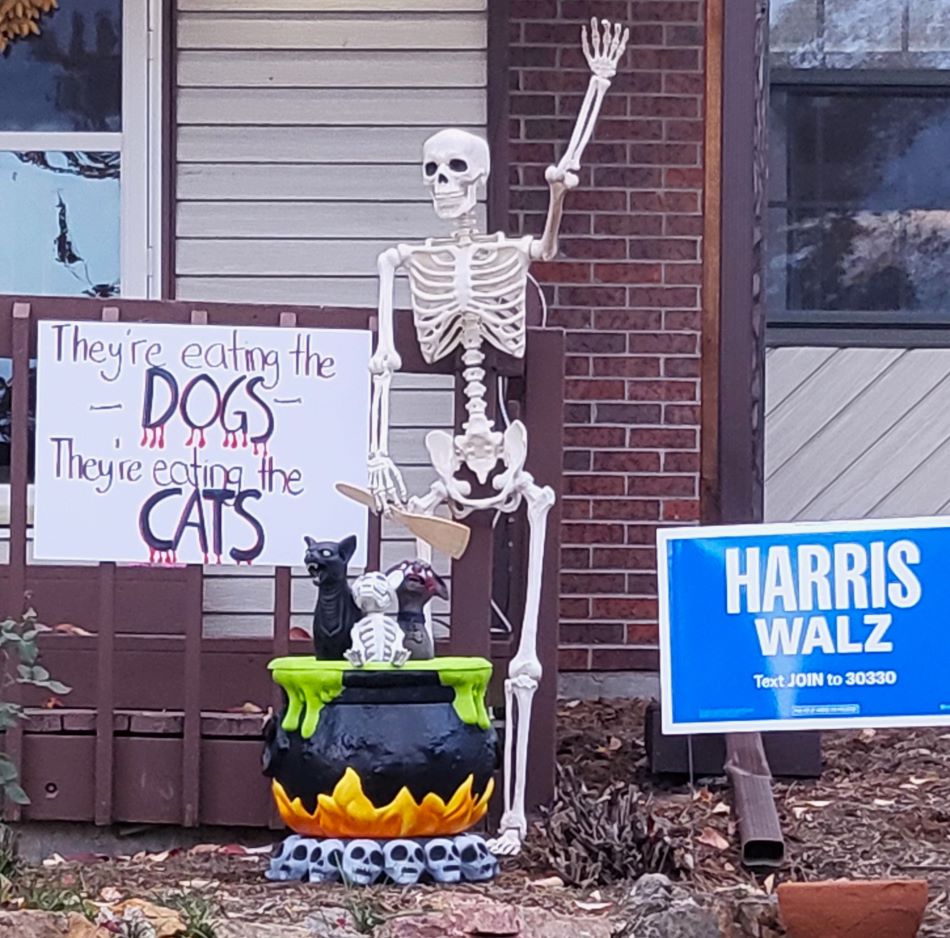
We love this homemade sign aimed directly at the two houses across the street with Tr*mp signs in their yards. 

While I feel visceral disgust for those with Tr*mp signs, I don’t feel a whole lot better about those with Harris signs (except for the above). I get it, the duopoly has put us in a horrible position. But Harris signs bring another kind of despair, forcing an acknowledgment that this country has normalized mass death, disability, and suffering. We’ve never reckoned with the million-plus people who died and the millions of others disabled due to Covid (Biden did so much damage in his four years) and way too many voters are completely happy to overlook the slaughter of Palestinians (fully sponsored by the Democrats). Yet we’re supposed to believe these same voters will “push Harris left” if she’s elected? (They said the same about Biden and I wonder, for example, how many of those who were rightfully outraged by images of children in cages due to Tr*mp’s policies know that Biden also put children in cages and unleashed this at the border?)

The one and only good thing about the Electoral College is that, living in Colorado, I don’t have to agonize about my presidential vote because it doesn’t matter. The state votes blue no matter who, and Harris will win Colorado. Not so in the swing states where there are basic steps Harris could have taken to insure those votes. She chose not to take those steps. I hope people remember that on November 6th.

Genocide there, oppression here

Mondays are usually devoted to climate-related content, but today I’m  pivoting to the oppression happening on university campuses here in the U.S. (which, as you know, is frequently touted as the world’s greatest democracy and defender of free speech).

I’ve written before about the oppressive tactics employed against college students around the country who don’t want their tuition and taxes used to fund a genocide of Palestinian people (here, here, and here), and today am linking to a sobering article from Truthout about the ramped-up efforts to crush dissent.

“…Israel is committing scholasticide in Gaza and throughout Palestine. In Gaza alone, more than 625,000 students have no access to education because 85 percent of schools have been directly hit or damagedall universities have been destroyed and entire pathways of knowledge and wisdom have been annihilated. Given this context, it is particularly egregious that U.S. universities resume classes this fall more determined than ever to silence and repress speech and action in support of Palestine.”

Rather than spending the summer months meeting their students’ demands for transparency and divestment from weapons manufacturers, the universities spent that time encoding repressive policies to crush dissent.

Alongside outright bans on encampments at virtually every university come a coordinated set of campus policies, including mask bansmandatory ID policiesbans on chalkingnew protest guidelines and even curricula and syllabi review, all of which promise to severely undermine academic freedom and free speech. On some campuses, as in the California State University system, these restrictions are enacted through “Time, Place, and Manner” policies, which — while they claim to be “content-neutral” — are clearly a direct response to the student movements that transformed campuses last spring, as they explicitly prohibit “vandalism, property damage, trespass, [and] occupation of a building or facility.”

The California State University system restrictions feel personal to me as I was a student at several of those campuses. Shame on them.

Jarmakani continues:

Even more chilling is the fact that these policies seem to presumptively assume that “unlawful discrimination, harassment, and defamation” are the goal of the prohibited activities, specifying that they are “not protected by the First Amendment,” and setting them up for punitive action, even though the right to protest is a central pillar of the First Amendment. Of course, no university should tolerate discrimination, harassment and defamation on its campus, but amid a new “red scare” driven by contrived charges of antisemitism, in which outside Israel advocacy groups weaponize Title VI to argue that criticism of Israel constitutes discrimination and harassment, we must be clear that the actual purpose of such policies is to penalize pro-Palestine speech.

A writer I admire recently wrote on a private forum that they worry that within a year or two, open discussion of Israel will be censored under law. That doesn’t feel like an exaggeration.

I highly recommend reading the entire article which is filled with links to examples of the many egregious practices aimed at crushing students’ voices. I’ll close with the final two paragraphs (emphasis mine):

Student encampments were examples of principled protest, nonviolent civil disobedience, collective education and political resistance; they intentionally cultivated spaces of popular education, mutual aid and collective care. Through this ethic, their demands for divestment not only invigorate the movement for Palestinian liberation — they make urgent connections among U.S. imperialism through the war on terror, Israel’s genocidal assault on Gaza, and deadly policing practices in the U.S., all through the lens of weapons manufacturers. We must not let them be silenced.

In the face of ongoing genocide in Gaza and devastating attacks on Lebanon, I take solace in the communal forms of knowledge and practice that activate and sustain us. The actual S.O.S. urgently before us does not call for the securitized response of militarization and repression; it demands our urgent commitment to life and collective liberation.

Thank you for reading this far. I’d love to hear your thoughts in the comments. Until next time . . . solidarity! ✊🏾

Climate change: we’re the cause but we can also be the solution

It’s a Wednesday, but I’m offering what would usually be a Climate Movement Monday post because the synchronicity of the two elements contained here was just too perfect to pass up. Below, I offer information on hurricanes and then a quick action.

As Hurricane Milton bears down on Florida while millions struggle to recover from Helene (mutual aid links here), I received two connected emails. The first, from HEATED which is billed as “a newsletter for people who are pissed off about the climate crisis,” was their latest article titled “How fossil fuels mutated Milton: Climate scientists tell HEATED the historic storm represents “the profound irresponsibility and culpability” of polluters.”

I highly recommend reading the entire piece which begins: For scientists who study the effects of climate change, the scariest thing about Hurricane Milton is not simply its historic strength. It’s the fact that Milton grew so strong so quickly—mutating from a pipsqueak into a monster. 

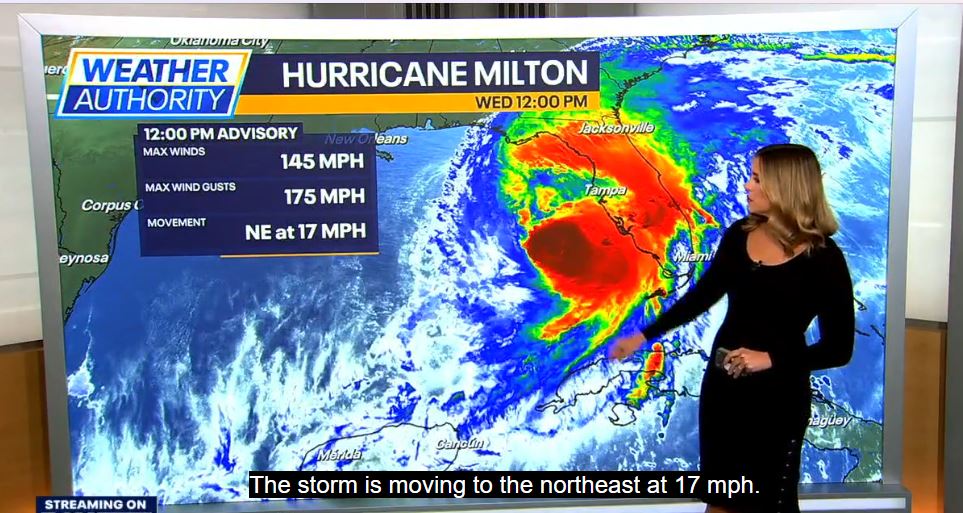
screen grab from a news broadcast

Milton’s rapid intensification from a tropical storm to a Category 5 hurricane left meteorologists speechless, with one veteran NBC6 Miami scientist tearing up on air. On X, hurricane scientists described Milton’s sudden explosion as “unprecedented,” “terrifying,” and “jaw-dropping,” as the storm’s wind speeds grew from 60 mph to over 180 mph in only 36 hours—one of the fastest intensifications on record.

A similarly rapid hurricane intensification happened just weeks earlier with Hurricane Helene, which transformed from a relatively weak tropical storm into a historic Category 4 hurricane within two days.

The article goes on to quote climate scientist Michael Mann who points the finger at the fossil fuel industry which is responsible for 76 percent of greenhouse gas emissions. “ExxonMobil’s own scientists warned that continued fossil fuel burning would lead to “potentially catastrophic events,” Mann said. That those catastrophes are playing out today represents “the profound irresponsibility and culpability of a fossil fuel industry that knowingly hid evidence of the tremendous danger of their product—not just danger to individuals … but danger to humanity and the planet. A whole higher category of crime.”

The article continues, including an explanation of how warmer sea temperatures contribute to the strength and size of tropical storms. Then the article ends with this quote from hurricane scientist Andra Garner (emphasis mine):

“The bad news here is that we know that human-caused climate change is driving these kinds of extremes to be more deadly,” said Garner. “But the good news is that we are the cause, and so we can also be the solution.

That bears repeating: We are the cause of climate change which means we can also be the solution.

Right after reading that HEATED article, I returned to my inbox to find an email from Stand.earth. That email opened with: “Exciting news! Late last month, Philadelphia, PA, became the latest city to join the growing chorus of municipal and sub-national governments to officially call for a Fossil Fuel Non-Proliferation Treaty. Not only is Philadelphia one of the largest cities in North America, it’s also located in Pennsylvania, a state dominated by fracking. It’s proof that our movement is even reaching areas where the fossil fuel industry is most powerful.”

The email then offers a link to send a message to your local city council, asking for them to call for a Fossil Fuel Non-Proliferation Treaty. What are the principles of such a treaty?

  1. Non-proliferation: Stop building out the problem by ending the expansion of coal, oil and gas production
  2. A fair phase-out: An equitable plan for the wind down of existing fossil fuel production, where nations with the capacity and historical responsibility for emissions transition fastest, providing support to others around the world
  3. Just transition: Fast-track the adoption of renewable energy and economic diversification away from fossil fuels so that no worker, community or country is left behind

Please take a minute to urge your city to join the call for a Fossil Fuel Non-Proliferation Treaty and start working on the just transition in your community.

It was SO easy to send a message to all my city council members and mayor. I personalized (and shortened) the letter to make my point which I must say felt extra personal since one of those council members lives right down the street from me. We’ve seen horrific climate policy on the federal level and the Democrat’s presidential nominee, Kamala Harris, now contradicts her earlier campaign vow to ban fracking, but local communities offer a greater chance for citizens to make an impact. Please take a moment to reach out to your city council to let them know how you feel about the role of fossil fuels in these catastrophic hurricanes which are destroying lives and property.

Thank you for reading this far! I appreciate you being here. Solidarity! ✊🏾

You are invited

I discovered Norwegian artist Tiril Valeur through Mariame Kaba‘s newsletter and wanted to share because (1) I love this anti-genocide sentiment and want everyone to take it to heart and (2) the artist-activist has created additional powerful pieces you can access here. Beautiful art that refuses to keep quiet is needed more than ever as the U.S. enables genocide and regional war.

Free Palestine! Free Sudan! Free Congo! Free all oppressed people! ✊🏽

Updated mutual aid links (Helene)

Yesterday I shared links to lists of mutual aid groups that are helping in the aftermath of Hurricane Helene. Those lists are a bit unwieldy to navigate so I wanted to update with this great list put together by Appalachian Voices and 7 Directions of Service.

Thank you in advance for any help you can offer!
General

Climate Movement Monday: mutual aid after Hurricane Helene

EDITED WITH UPDATE: Please see my 10.1.24 post with easy-to-navigate lists of mutual aid groups!

Welcome back to another Movement Monday in which we discuss all things climate with a focus on frontline communities. In order to protect my health, I’ve been on a  self-imposed media break from the many horrors of our current reality (and I acknowledge my privilege in being able to avoid those horrors!), so don’t have any new insights into the aftermath of Hurricane Helene. I will, however, share this from Bill McKibben’s newsletter which I did read:

Were it happening just in one place, a compassionate world could figure out how to offer effective relief. But it’s happening in so many places. The same day that Helene slammed into the Gulf, Hurricane John crashed into the Mexican state of Guerrero, dropping nearly 40 inches of rain and causing deadly and devastating floods in many places including Acapulco, which is still a shambles from Hurricane Otis last year. In Nepal this afternoon at least 148 people are dead and many still missing in the Kathmandu Valley. Just this month, as one comprehensive twitter thread documented, we’ve seen massive flooding in Turkey, the Philippines, Saudi Arabia, Spain, Marseilles, Milan, India, Wales, Guatemala, Morocco, Algeria, Vietnam, Croatia, Nigeria, Thailand, Greece, Romania, Poland, the Czech Republic, Austria, with the Danube hitting new heights across Central Europe. 

Make no mistake, we are in climate collapse. And yet, the powers-that-be still pretend it’s not happening. Last week, Zippy received an email survey from one of Colorado’s senators (Michael Bennet), asking Zippy to name his priority issues. That survey did NOT even include climate (or Gaza or Lebanon and the corresponding billions of dollars and weapons to Israel). Clearly, the electeds are completely happy to drive humanity to extinction.

Which is why today’s post is devoted to mutual aid groups working on the ground to help those impacted by Hurricane Helene.  Also, with some overlap, here’s another mutual aid list. What is mutual aid? Per Global Giving: Mutual aid is about cooperating to serve community members. Mutual aid creates networks of care and generosity to meet the immediate needs of our neighbors. It also addresses the root causes of challenges we face and demands transformative change.  

Mutual aid is a powerful way to give because it helps build community and create people power. People trust those who’ve helped them in hard times and are more likely to join later efforts to push for beneficial change in their communities. Mutual aid builds on the present and for the future.

Helene impacted Florida, North Carolina, South Carolina, Kentucky, Tennessee, and Virginia. There are many needs right now and so I again offer this list of mutual aid groups and this list.

I hope you’ll join me in helping the people of Florida, North Carolina, South Carolina, Kentucky, Tennessee, and Virginia. Any amount is appreciated! Thank you in advance for your humanity.

Please take care of yourselves. Solidarity! ✊🏽

Climate Movement Monday: turning the fossil fuel narrative on its head

Welcome back to Movement Mondays in which we discuss all things climate. Today I’m returning to Not Too Late: Changing the Climate Story from Despair to Possibility (edited by Rebecca Solnit & Thelma Young Lutunatabua) in order to offer my readers another lens to look at our climate reality while also imagining a better world.

At the start of the chapter “Different Ways of Measuring: On Renunciation and Abundance” (a conversation between Solnit and Lutunatabua), there’s this quote from Dr. Elizabeth Sawin:

“It is some very effective marketing that has convinced so many of us that getting off of fossil fuels is a sacrifice as opposed to a money-saving, peace-promoting, water-protecting, health-improving, technological leap forward.”

This jumped out at me because whenever I (foolishly) read comments about various climate actions (and it doesn’t matter if it’s folks politely demanding better of their government or Climate Defiance interrupting fossil fuel executives as they’re being celebrated), there are always people who ridicule the activists for imagining a world without fossil fuels. Those naysayers insist the many negative consequences  we’re experiencing in real-time are a given and that there’s no way forward that doesn’t include fossil fuels. A frequent commenter “gotcha” is “Did you drive your car to that action?” which reveals a complete lack of imagination in regards to our woefully inadequate public transportation, connected biking routes, etc.

Directly following Sawin’s quote, Solnit eloquently presents a different perspective that I’d love to copy and paste in reply to those cynical comments.

What if the climate crisis requires us to give up the things we don’t love and the things that makes us poorer, not richer? What if we have to give up the foul contamination around fossil-fuel extraction, the heavy metals people inhale when coal is burned around them, the oil refineries that contaminate the communities of color around them from the Gulf of Mexico to California? What if the people of Richmond in my own home region, the Bay Area, didn’t have emergency alerts where they were supposed to seal their homes because of a refinery leak? What if the incidence of asthma in kids went way down, and we stopped losing almost nine million people a year to pollution worldwide? What if that moment when the pandemic shut down so much fossil-fuel burning that people in parts of northern India saw the Himalayas for the first time in decades became permanent?   

I don’t know about you, but reading those words expanded my mind and heart, while reaffirming my belief in a better world. Kicking our fossil fuel addiction won’t set us back, but will instead liberate us to live healthier, happier lives.

If you’re interested, here’s an article about the visible Himalayas, including grateful social media posts:  Peaks of Himalayas visible from parts of India for first time in decades as pollution drops amid lockdown. And if these quotations resonated with you and you’re interested in reading more, Not Too Late is available through Haymarket Books and is currently offered at a discount.

Thank you for reading this far and please know I welcome all thoughts and comments below (spoiler: no, I did not drive my car to this post). Until next time, solidarity! ✊🏽

You should have joy and pleasure

When reading this week’s newsletter “Organizing My Thoughts” from Kelly Hayes this morning, a quote jumped out at me. It came via the linked piece from Lewis Raven Wallace “The Right Wants Us to Submit to Nihilism. Here Is Where I’m Searching for Hope.”

“You should have joy and pleasure from being on the right side of history,” [ . . ], “not anguish and despair. Let the other people have that.”

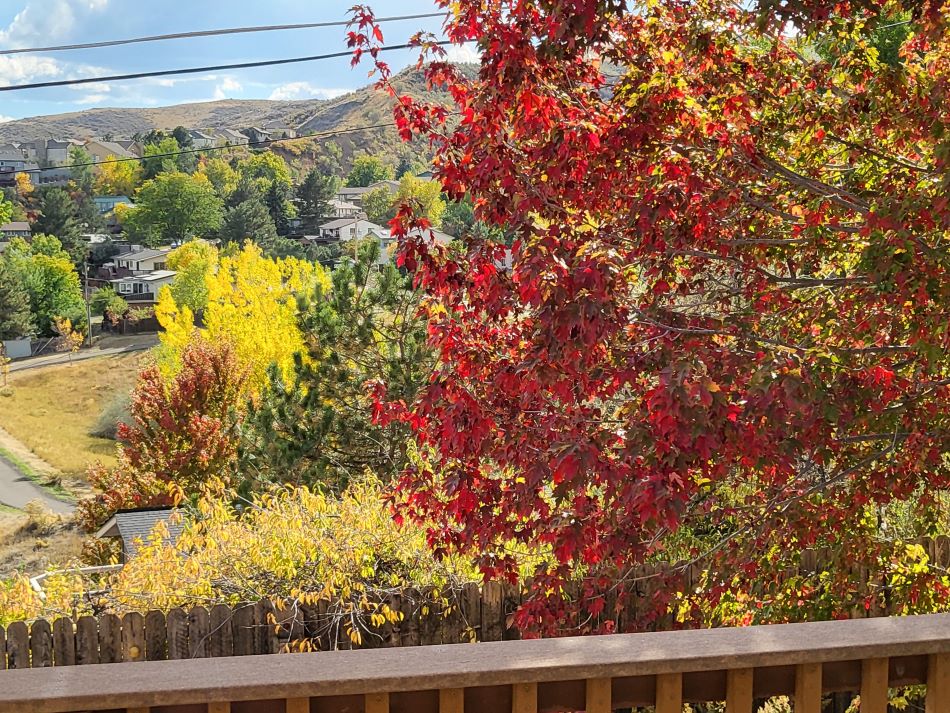
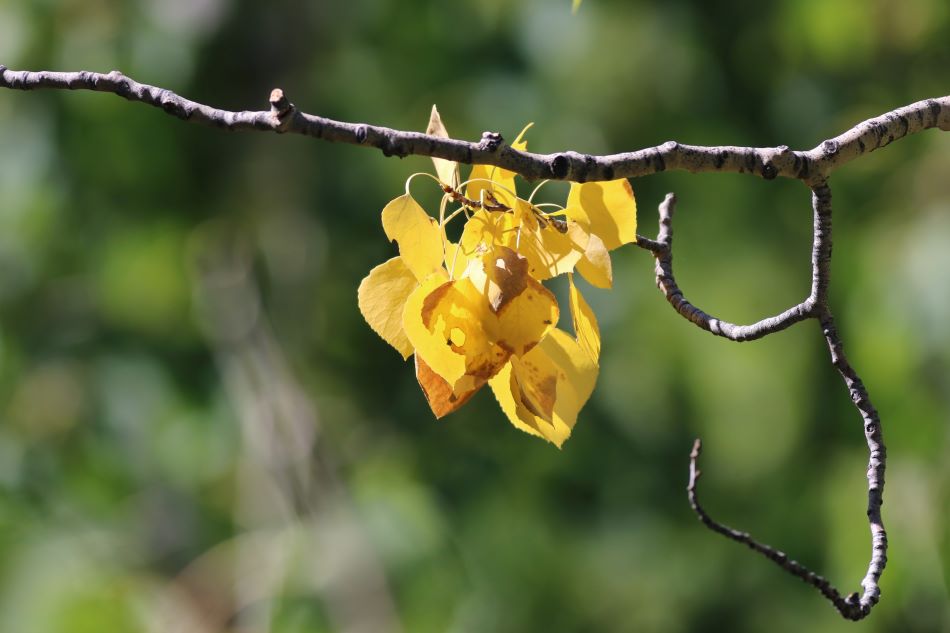
My first yellow leaves of the season. Golden Gate Canyon State Park. August 30, 2024

Wallace continues with this:
Joy is not just icing on the cake or the purview of the privileged. It is an exercise in hope that has always been rigorously practiced by people facing impossible situations of oppression. Laughter, pleasure and small acts of connection are precisely where we find our power — and the soul fuel that makes it possible to go on.

Anyway, that sentiment helped me a lot today–helped me remember who and what I am–and I wanted to share in case it could help someone here. Let’s hold onto our shared humanity and refuse to let the horrors and ugliness turn us into shells of ourselves. Let’s rejoice in nature and each other, and laugh as much as possible.

The fear-based, mean-spirited people can keep all that ugly for themselves.

Thankful Thursday: shared humanity

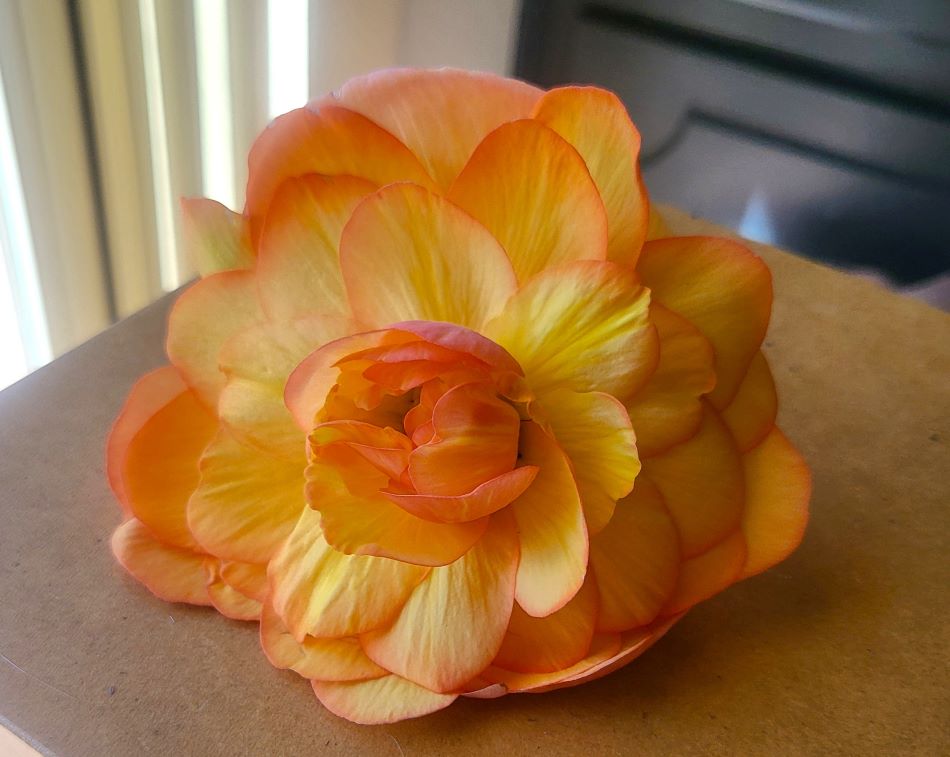
This beautiful begonia bloom was waiting for me this morning when I arrived at a neighbor’s to water their plants.

The delicate bloom rested on the concrete below the pot, looking perfect as could be. It felt like a gift and I brought it home.

And now I offer this beautiful flower to those I’m grateful to be in community with, the people whose hearts are also broken on behalf of the Palestinians facing horror after horror as the United States arms and gives political cover to Israel’s genocide. This begonia bloom is also for those experiencing further outrage and heartache on behalf of the Lebanese who suffered two terrorist attacks this week as Israel carried out its long-range plan that involved a shell company in Hungary which built electronic devices laced with explosives to be detonated at a later date. That later date was this week. Dozens, including children, are dead, and thousands are maimed as a result of electronic devices literally exploding in their faces.

For all who refuse to normalize death and destruction, who refuse to harden their hearts against people halfway around the world, I’m grateful for your shared humanity. Thank you.

Edited to add: I meant to also share the begonia gift with those sickened and heartsick on behalf of the Haitian immigrants being demonized and terrorized by people using the “othering” playbook to advance their fascist goals. I’m grateful to all who refuse to remain silent in the face of that hateful demagoguery.

PSA: Novavax Covid Vaccine

But first, a word from our sponsor:

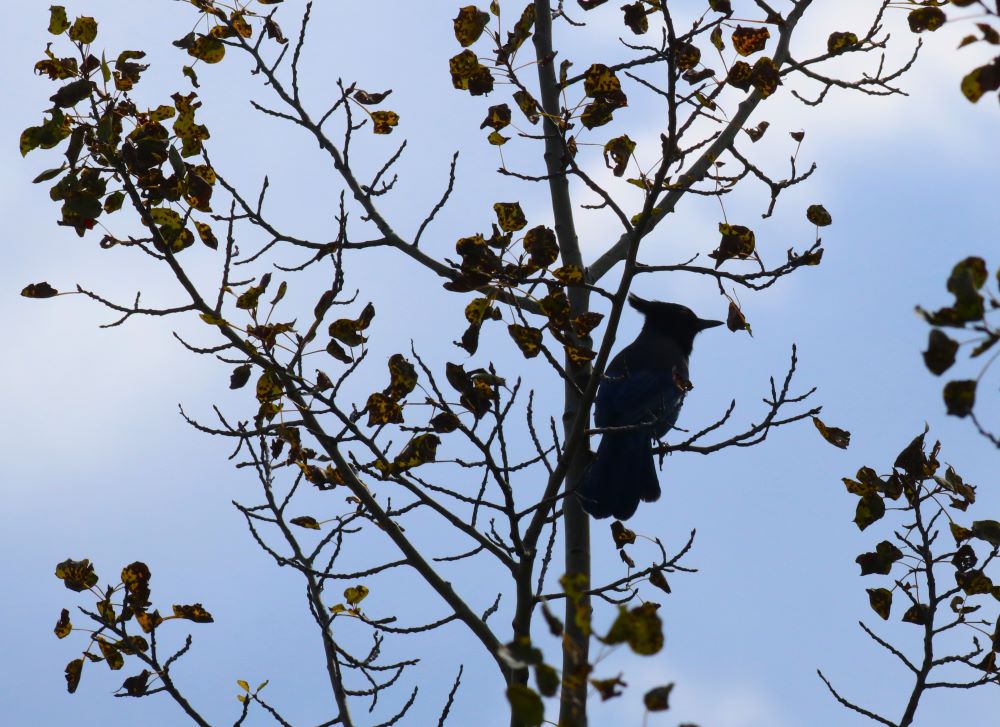
Adult and young blue Jay.    July 13, 2024.    Photo by Zippy.

Only kidding. Another Day On the Planet has no sponsor which is why you never see any strategically-placed cans of Pringles or bottles of Dos Equis on this blog. But if there was a sponsor, BIRDS would be a great choice!

I actually just wanted to offer information and resources on the updated Covid vaccines, specifically the Novavax vaccine. Why? Because I’m realizing not many people know about it, in large part because the government is pushing Pfizer and/or Moderna. (Despite Novavax being submitted for approval in July before the other vaccines, the FDA approved Novavax last, and only after much public pressure via emails and phone calls.)

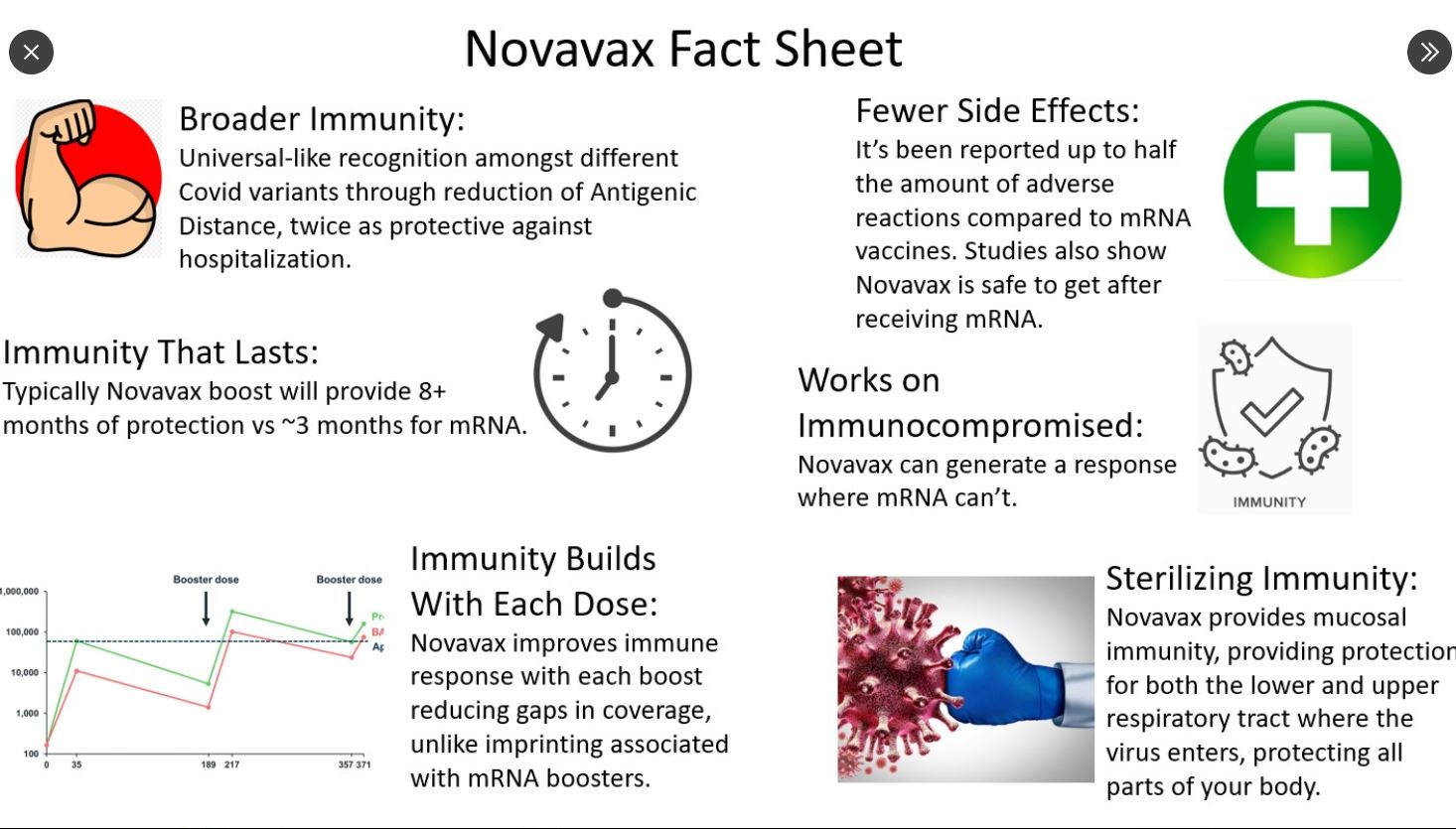
A recent study (on a previous strain) showed that while Moderna reduced the viral load by 100x, Novavax reduced the viral load by 600x.  Novavax also provides protection for both the upper and lower respiratory tracts. Many (including Zippy and me) also like Novavax because there are fewer side effects. The two times I’ve gotten Novavax were much easier than my previous Pfizer and Moderna shots. Here’s a handy graphic explaining the other benefits of Novavax.

I follow many Covid-aware people on Twitter such as virologists and immunocompromised people, and the consensus is that Novavax is the superior vaccine that offers the greatest protection. If you’re interested, the Novavax locator site will help you find the vaccine close to you.

NOTE: if you do opt for Novavax, be very clear about that when you go into the pharmacy because there are many anecdotal instances right now of people requesting Novavax and having the pharmacist instead offer Pfizer (because they see it as the default) or grabbing a syringe of Pfizer or Moderna out of habit. When I showed up for my appointment (in which I’d requested Novavax in the online form), I said I was there for Novavax (as opposed to “Covid vaccine”) to make sure we were all clear on my intentions from the outset. It’s also a very good idea to ask to see the label on the syringe just to be absolutely sure. The pharmacy I visited was very busy and those workers have LOTS on their minds, so it’s totally fine to clarify.

Please let me know if you have any other questions because I can probably point you to the answers.

Remember, the more we can do to curb the mutation and spread of the SARS-CoV-2 virus, the healthier and happier we will be. 🙂

Edited to add: BonaFide Masks is where I get KN-95 masks (ear-loops) which I mostly give out to others who want to mask but don’t want to wear a mask with head-straps. Use code BFM25 for 25% off your order through October 1. Free shipping!

Climate Movement Monday: the war on Gaza

Welcome back to Movement Mondays in which I highlight a climate-related issue and offer suggestions for taking action. It’s been a while since I posted one of these and that’s due to a sense of overwhelm and futility. But I’m rousing myself today because the U.S. military is one of the major (if not the major) driver of climate change and because today is Day 346 of the war on Gaza. I’m hoping that people who might have remained silent thus far regarding the ongoing genocide of Palestinian people might be motivated to take action if they realize what the many tons of bombs supplied by the U.S. are doing to the environment, effects that will impact everyone on this planet.

Per “The Gaza war is an environmental catastrophe,” an article published September 5, 2024, in +972 Magazine, Gaza’s future was already precarious with the specter of “Ever-worsening shortages of water and electricity. Catastrophic flooding in dense urban areas. Food insecurity exacerbated by drastic temperature increases, reduction in overall rainfall, and the long-term impact of toxic chemicals.” Those predictions were made two years ago and now, after nearly one year of the U.S. enabling and providing cover for Israel’s campaign of death and destruction, that threat has radically accelerated.

“…environmental degradation in Gaza has worsened exponentially: as Israel’s bombardment destroys infrastructure, an inordinate amount of toxic dust has been released into the air, and wastewater management has entirely collapsed due to the shortage of fuel. 

By April, the destruction of buildings throughout the Gaza Strip had produced an estimated 37 million tons of debris. As buildings are damaged or collapse, they release clouds of noxious smoke, toxic dust, and fumes into the environment.”

As someone who recently lost a beloved family member to cancer as a result of him working several blocks away from the World Trade Center, the thought of this ongoing assault sickens me. Can you imagine 346 days of this where you live?

Smoke rises after an Israeli airstrike in Gaza, seen from the Israeli side of the fence encaging the Strip, January 7, 2024. (Chaim Goldberg/Flash90)

Beside the genocidal depravity of all these bombs, “It is projected that the current war already yielded a minimum of 900,000 tons of toxic waste. These pollutants — which include radioactive and carcinogenic materials, heavy metals, pesticides, and other chemicals, emitted both through the use of military munitions and in the destruction of buildings — persist in the environment, posing a threat to all forms of life, including animals and vegetation. They contaminate soil, air, and water sources, endangering ecosystems.” [emphasis mine]

I encourage you to read the article in its entirety as Dr. Mariam Abd El Hay, a researcher in social dynamics and the environmental impacts of conflicts and a Palestinian citizen of Israel from the city of Tira, answers questions posed by +972 Magazine.

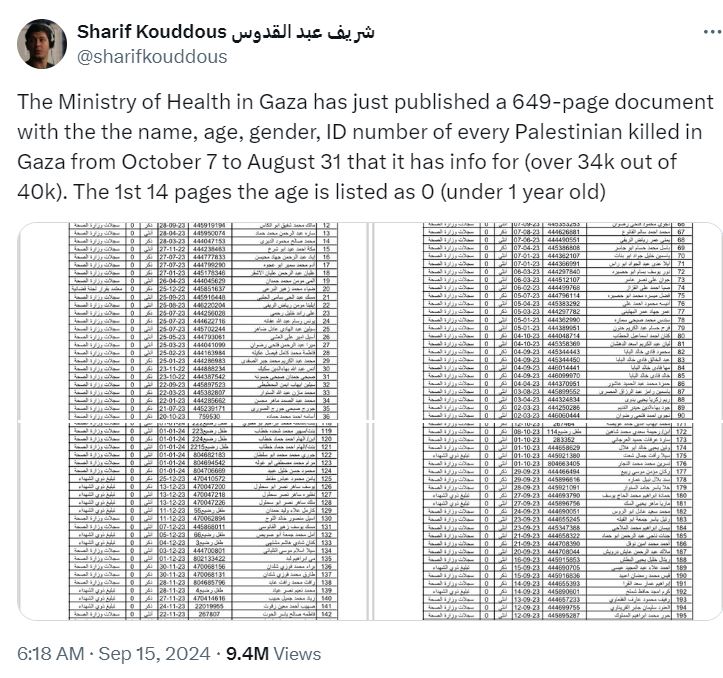
So what can we do? I fully admit that what the global pro-Palestinian coalition has been doing for the past 11+ months hasn’t brought about a ceasefire and aid for Palestinians, but that doesn’t mean we should stop agitating. I continue to contact my electeds to voice my outrage for their continued support for genocide. Today I focused on this document from the Ministry of Health in Gaza.

I used that Tweet as a script which helped me focus my rage at their complicity. Fourteen pages of dead children younger than one year of age! 

To contact your electeds, go HERE for your Representative and HERE for your two Senators. HERE for Biden and HERE for Harris.

In addition to referencing the 649-page document of (documented) dead Palestinians and/or the climate impacts of this U.S.-sponsored genocide, what else might you say to your electeds (particularly if they’re Democrats)?

  • Don’t threaten me with the end of democracy when poll after poll shows the vast majority of voters DO NOT want billions in aid and weapons sent to Israel to commit genocide. What you’re doing is NOT democracy.
  • The poliovirus, which we eradicated, is now present in Gaza’s wastewater. Worse, Israeli soldiers are hindering the delivery of polio vaccine to Palestinians.
  • Humanitarian aid workers are being murdered. As of September 12, 220 UNRWA aid workers have been killed. 
  • Know how to get an immediate ceasefire? Halt all weapons and aid to Israel!
  • There are anti-genocide candidates on the November ballot and I won’t be voting for anyone who doesn’t fully support an arms embargo, immediate ceasefire, and aid to Palestinians.
  • Edited to add: You’re no better than a climate denier if you continue to support this war on Gaza. And that goes for if you support fracking and brag about how much oil production is happening under the Biden administration. You can’t call climate change an existential threat and then push policies that accelerate the climate crisis.

And if you’re unwilling to bang your head against the entrenched political duopoly, you could donate to Municipality of Gaza (water and sewage treatment), UNRWA, esims for Gaza, or vetted fundraising campaigns for families in Gaza via Gaza funds.

Okay, I’ll stop here. It feels gross to frame this genocide in terms of what it’s doing to the climate, but because climate change is a global issue that affects every single one of us, I’m hoping more people will speak out on behalf of Palestinians. And to anyone who continues to scroll on past any mention of what’s happening in Gaza and the West Bank, shame. We need to regain our sense of shared humanity.

Thank you for reading this far. Solidarity! ✊🏽

EDITED TO ADD: Drop Site News is hosting a live screening of the documentary “The Night Won’t End” tomorrow (Tuesday) at 8 p.m. ET. The film tells the story of three Palestinian families in Gaza fighting to survive the genocidal onslaught. Go HERE to subscribe for free and gain access to the screening.

Sunday Confessional: saying goodbye

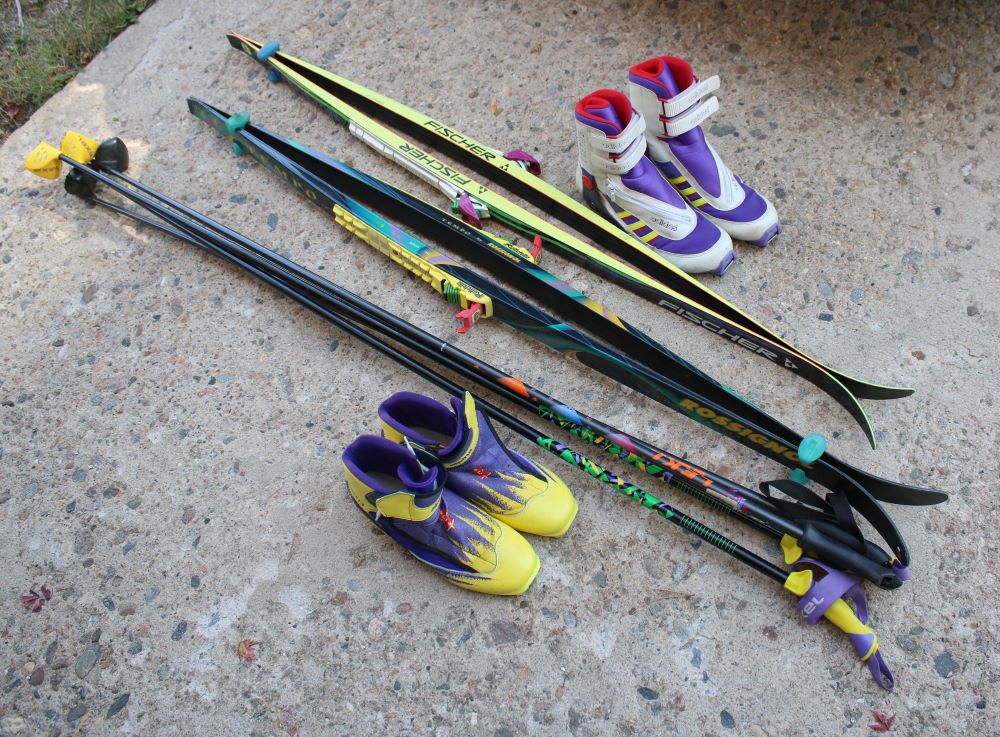
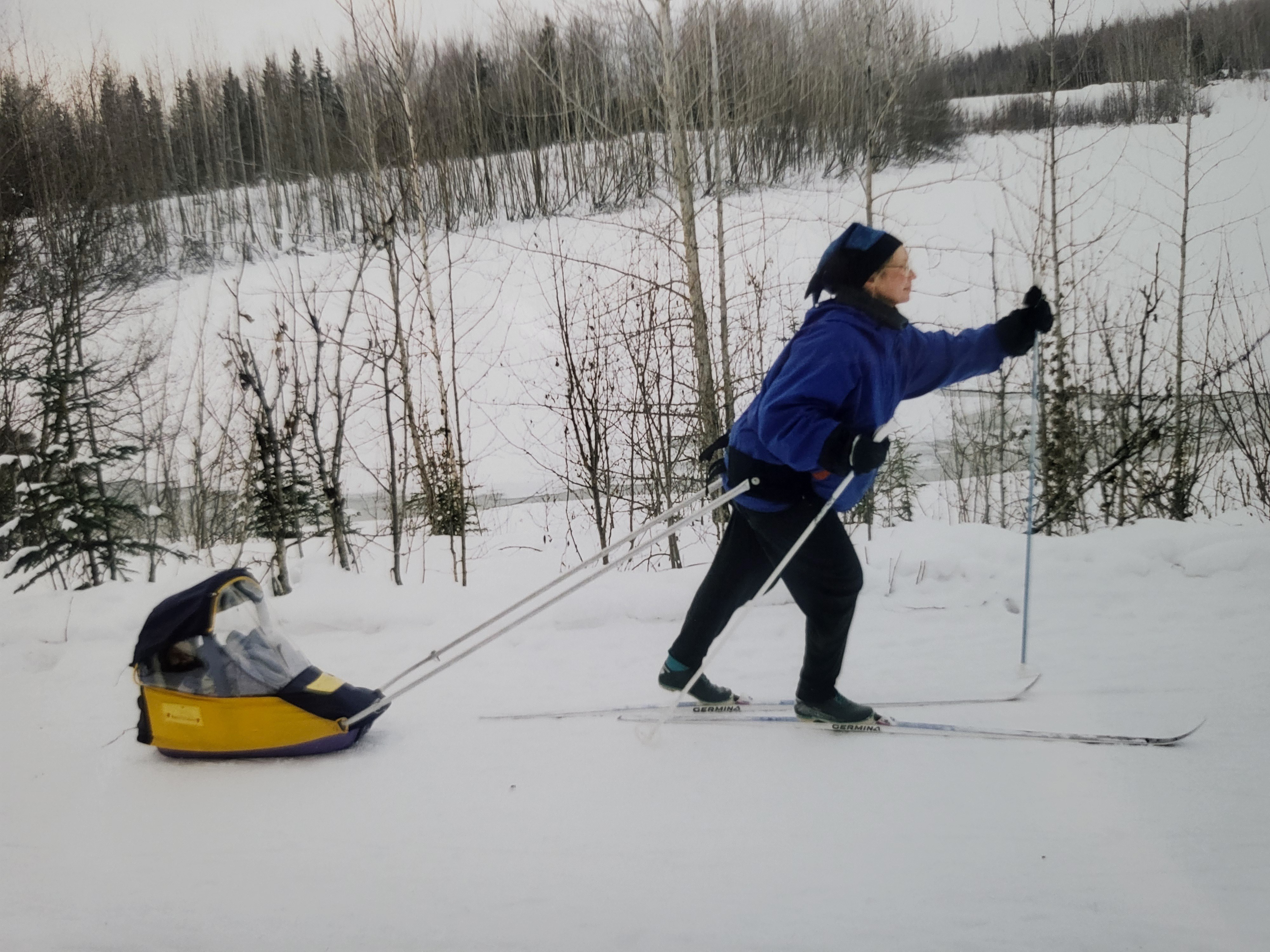
As mentioned before, I’m in the process of cutting ties with some of my stuff** which is bringing up all sorts of feelings. Some giveaways via a local Buy Nothing page are easier than others, such as saying goodbye to the boys’ old bunkbed, exercise balls, and a couple bulletin boards. Those transactions leave me feeling purely liberated. But the other day, I offered up our two sets of skate skis, boots, and poles. Zippy and I brought that ski equipment with us from Alaska 28 years ago and used it exactly one time since. Clearly, it was time to let go of those belongings. Zippy thought it was a waste of time to post such outdated gear, but multiple people expressed interest within an hour or two. And when it came time to set the skis, boots, and poles outside for pick-up, all sorts of emotions arose. With tears in my eyes, I photographed my yellow-sided skis alongside the purple-and-white boots that’d transported me into a new way of living in Anchorage.

I happened to look out the window when the person came to pick up the stuff and I couldn’t refrain from stepping outside. I don’t remember exactly what I called out to him, something to the effect of “Happy skiing!” and “I have so many memories of those skis!” I’m sure I sounded emotional because he quickly assured me they’d be put to good use. Tears in my eyes, I went back inside and closed the door.

It wasn’t until later that I remembered experiencing those same emotions years ago. Not only that, I’d written an essay about it (see FREEDOM RIDE below). And when I looked up the file today, I was reminded that a parenting magazine had expressed interest in publishing the essay. Unfortunately, they ultimately passed, but the good news is there were photos in the file. Because I’d mostly skied alone, there were no photos of me in action, and I’d given the magazine pictures of a friend with her son.

This photo isn’t a perfect representation of my experience because she’s skiing on longer, diagonal skis rather than my short skate skis. Also, the pulk is a different color. But in the absence of authentic images from my days on the groomed trails (and you can bet I regret that deeply), this gives you a good idea of the set-up.

So, here is that essay. Note: The original version included my sons’ real names, but I’ve switched them to their “blog identities.”

FREEDOM RIDE

I recently said good-bye to a piece of my son’s childhood and symbol of my early years as a mother: I sold my ski pulk.

Wildebeest was born in Alaska and his arrival highlighted the necessity of getting outside during the long, dark winters. Every Alaskan knows that a daily dose of the outdoors prevents the sluggishness and depression of sun-deficient winters, but this tactic is especially crucial when sharing a home with a little person. Cabin fever is not some scenario hallucinated by Jack London; it manifested itself in a creeping inertia that left me on the couch in a stained robe with an unwashed face at four in the afternoon. For the record, the blahs never overcame me to the point I neglected brushing my teeth. However, those blahs did foster an environment in which my energetic son began tapping at everything with a meat tenderizer. When that everything included me, I hauled myself upright and bought a ski pulk.

The pulk was a plastic sled converted into what looked like a green and purple space capsule. Completely enclosed in nylon and clear plastic, it had a rollbar, three-point harness, and backrest. Wildebeest could recline or sit and look through the windows at the scenery and occasional wildlife along the cross-country ski trail.

Now the following may sound like a pitch from an infomercial, but it’s true: buying the pulk transformed my life. My days were no longer defined by the tedium of scattered toys and messy diapers but instead included exercise, clean air and, if we were lucky, sunshine.  As long as temperatures weren’t too frigid, I strapped my well-bundled son inside, hooked the long aluminum poles to the sled, and fastened the attached belt around my waist. I was often reluctant to leave the couch’s familiar sag and warmth, but no matter the depth of my gloom, just a few lungs-full of the sharp winter air was enough to make me grateful to be outside.

I didn’t feel gratitude that first day, however. In my excitement to go on our maiden voyage, I hurriedly hooked up the pulk and took off skiing. Within minutes I was exhausted; it felt as if I were dragging a set of bleachers behind me. I turned around to assess the situation and realized I was pulling the sled backwards. My cheeks, already warm from exertion, flushed with embarrassment as I unhooked and got on the right end of the pulk.

From that moment forward, my outings were filled with the smooth side-to-side glides of skate skiing. On my ultra-short skis, I skated along the groomed trails with a fluidity that felt like poetry in motion after being cooped up in a house filled with stale air and dark corners. I became so comfortable pulling the pulk that the only difference between skiing with and without it was the added weight.

But I was always aware of my cargo. While the distance separating Wildebeest from me created a sense of solitude, he was still close enough to share the experience. Sometimes his loud exclamation at a passing image caught my attention and I’d look back to smile and wave. We shared laughs at the sight of kids tossing snowballs or a dog running loose. Mostly, though, he was my silent co-pilot, watching and processing information from his sliding cocoon. I’d point out a squawking raven on an overhanging limb, only to turn and discover him sleeping.

Fellow skiers reminded me of the unique aspect Wildebeest and the pulk brought to my skiing. Most were amused or expressed admiration for my strength, and those exchanges gave me a boost when my energy was fading. But when the super-fast skiers swished by with obvious pity for my burden, averting their gaze as if my pace was contagious, I longed to chase them down and tell them to stuff their sympathy since I was moving pretty damn fast considering the extra thirty-five pounds I was hauling, thank you very much.

Skiers weren’t the only ones using the trails, though. Each day I scanned for moose that sometimes become agitated and trample people, and often saw them bedded down beneath trees. Once I spotted a calf just off the trail to my right. My heart hammered as I looked to the left, praying its mother wasn’t there to put Wildebeest and me in the middle. I poled a rapid getaway on a rush of adrenaline, and never did see the cow.

Another time a moose foraging alongside the trail spun around and stepped in our direction. Even though it was a lone male, I chose to turn back instead of possibly startling him into defensive action. In my hurry to reverse direction, I flipped Wildebeest and the pulk onto its side. Throughout my panicked efforts to right the sled, I was hyper-aware of the moose’s movement. At last, I sped away. But when I glanced back, it was clear the moose hadn’t been charging closer and was merely browsing tree to tree. Still, I kept up my frantic pace until it felt safe to stop, at which point all my energy went into fighting the urge to vomit. My little guy babbled and gestured about our exciting wipeout, oblivious to my moose anxiety and the escape routes I routinely plotted along the trails.

Several years have passed since that encounter, and our family has grown by another son. We left Alaska and now live in suburban Colorado. Because my heart prevailed over my head, we brought the pulk with us. Anchorage has miles of groomed trails within minutes of our former residence but the weather at our new home is fickle; snow doesn’t stick around long enough to warrant grooming. Lack of childcare for my elder son and the long drives to ski areas prevented me from sharing the pulk experience with my younger child, Zebu.

The pulk collected dust for a year. And then I sold it.

As I closed the door behind the family who bought the sled, I cried. I wept for the cold, crisp air and the exhilaration of swooping down a hill, for the personal strength I’d discovered, and the adventures that were forever in Wildebeest’s and my past. But mostly I wept for Zebu and how he’d never know the thrill of gliding along the trail, searching out moose amidst clusters of birch trees. As my husband hugged me, I wondered if my tears were silly.

“No,” he replied. “That was your freedom ride.”

He was right: the pulk had liberated me from the mundane and sometimes claustrophobic life of an Alaskan stay-at-home mom and, in the process, I’d transformed into a strong, confident, and emotionally stable mama. But we’d moved on, and I had to accept those times were behind me. I had to find new ways to stay healthy while mothering two young children.

So Zebu and I found other winter-time activities to fill the void. Granted, step aerobics in front of a television don’t hold the same magic as skiing alongside the Cook Inlet with the Alaska Mountain Range framing the background, but this is something I do with my youngest son. He smiles up at me, marching in place while imitating my arm movements. We count out steps, his numbers often tripping up my own, and then afterward sit side-by-side on the floor, stretching our muscles as the family dogs sniff and lick our faces.

Sometimes I suffer pangs of regret that ours is a tamer experience than his brother and I shared. But then I remind myself that mom and son aerobics are completely valid, even if there is no adrenaline rush. Zebu and I are creating our memories, and the only significant difference is I traded moose for dogs. And polar fleece for spandex.
_____________________

**do yourself a favor and have some laughs as the brilliant George Carlin discusses “Stuff”

Thankful Thursday: people who reach out

Over the years, I’ve had friends from my distant past find me via this site which is always a happy surprise. And strangers have reached out after reading something I posted. For example, after writing about Aaron Bushnell on Memorial Day, a friend of his wrote to me. Their message touched me deeply and I wrote back to thank them for taking the time to contact me in solidarity.

But I’m not always successful in responding to people and so today I’m using this space to let LR know that I received their message. Thank you! I tried to respond via the email provided but there’s an error with that address and it doesn’t go through. I did an online search and was able to find an edu email address for you, and sent my message there. Because I haven’t heard anything back, I’m  wondering if that’s also a bad address. PLEASE, if you see this, use the contact form again and leave a different return address. I very much appreciated your message and would like to converse some more!

May 29, 2019

Solidarity!

They say it’s his birthday

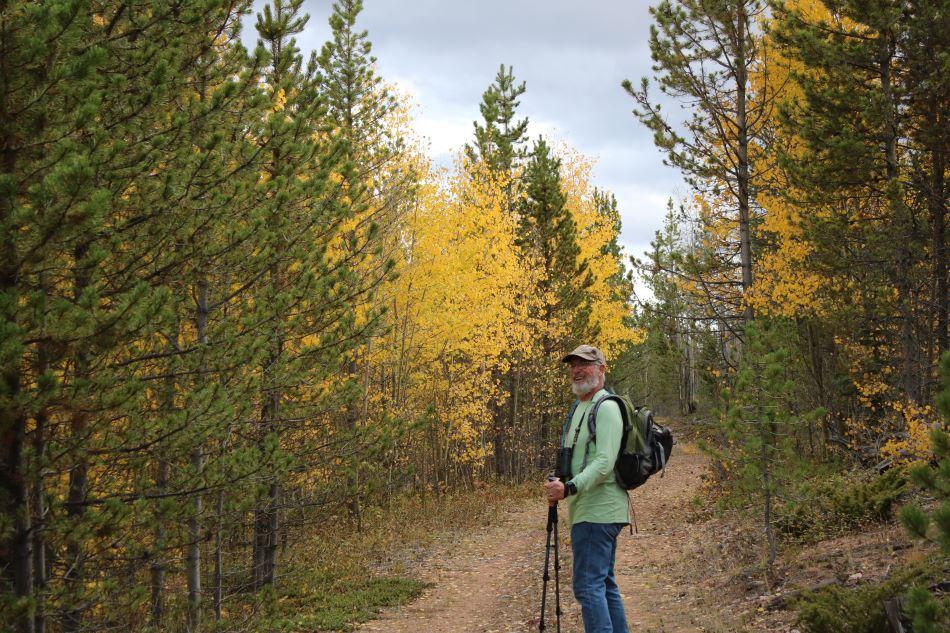
Today is Zippy’s birthday and he celebrated by going on a 30-mile bike ride. Another thing he likes to do? Hike. Here he is hiking in Pike National Forest last October. See that happy, relaxed smile?

Well, here’s the cut paper card I made for him this year in honor of those hikes and our “forest bathing.”

May we share many more moments of forest-induced peace in the coming year. Happy birthday, Zippy. ❤️

Thankful Thursday: the common

Life feels difficult the last few days–personally, professionally, and globally–and now more than ever, I’m grateful for nature’s gifts. Today I’ve taken solace in the presence of many magpies (my next door neighbor just confirmed her dog–again— spread kibble in their backyard) as they fly to-and-fro, pause to snack on Rainbow’s offerings, and bathe in my bird bath.

Magpies are common around here yet they never fail to lift my spirits. Equally common are the bright, cheery sunflowers smiling in my yard and throughout the neighborhood. These, too, always bring a smile. And when that sunflower sighting includes a Common Checkered-Skipper?

Backyard. August 12, 2024

Well, then my gratitude knows no bounds. Even when I gaze upon the image nearly a month later, it’s like bottled Balm for the Soul.

Wildlife and me

I had a lovely solo camping trip in Golden Gate Canyon State Park last week. The weather was pleasant and my site was level, plus there was a peaceful little Nature Trail right across the road that I wandered a couple times. Oddly enough, there weren’t many birds and it was mostly quiet except for the occasional Mountain Chickadee and Common Raven (which I heard several times but never spotted). I had high hopes for bird sightings since on the first afternoon I saw a White-breasted Nuthatch on a tree trunk near the restroom. That was my one and only nuthatch sighting although I had two encounters with a pair of Gray Jays. I’m not sure it was the same pair both times, but one flew directly at me near my campsite then landed in the tree right next to me, followed by another jay. And the next morning as I paused outside the restroom to put on my mask, a Gray Jay flew right (like, right) in front of me and into the building wall as if it thought it could perch there. Then it flew back into the closest tree where another jay waited. I never saw them again, but spent some time pondering whether they were trying to tell me something or maybe thought I was a kindred spirit in my gray fleece jacket that’s the same shade as their feathers.

On my first morning there, I suited up to run on the Raccoon Trail which is a 3.5 mile loop (including spur from campground) that includes Panorama Point and a view of the Continental Divide. Because I was starting at 9100 feet elevation and would gain several hundred feet more, I knew water was essential. And while I never run with my phone, I knew it would be wise to have it, so wore my small hiking pack that holds a camel back for water. After some stretches to warm up, I took off. The pack bouncing on my back didn’t bother me, but I was very aware of the water as it sloshed with every step. The trail starts out in forest and soon opens up to aspen groves. Five minutes into the run, I sloshed my way around a curve and was startled by a large crashing in the brush. A moose! Heart hammering, I immediately stopped and spoke quietly while glancing around for a calf. I only saw the one moose, but my heart still pounded at the sight of all those skinny aspen trees that weren’t big enough to hide behind if the moose decided to charge. Fortunately, we both calmed down and it soon went back to browsing. As it moved farther from the trail, I slowly and silently (no sloshing!) continued on my way. A few minutes later I came upon a hiker and as she stepped off the trail to let me pass, she asked if I’d seen the moose. I said I had.

“That calf was so cute,” she replied.

Calf?

Turned out, this woman had been about ten feet away from the juvenile moose and she’d taken photos. Yikes! Fortunately, all was well with the mama and everyone moved on without incident.

The rest of my run/scramble up rocky slopes was uneventful. I stopped to check out the view at the top and then kept going. It wasn’t until I was back at my camp site doing my cool-down stretches that I had my favorite wildlife encounter of the trip.

This ground squirrel calmly perched a few feet from me, drinking up the warm sun. Moments later, the squirrel was flat on their tummy in an obvious display of fearlessness.

I’ll confess that I took loads of photos of this squirrel and their many poses. It made my heart so happy to share the space together, that morning and throughout my stay. This squirrel was a very gracious host and I’m grateful both for the companionship and also for the fact my heart didn’t practically leap out of my chest at our encounters. Moose are amazing creatures but my time in Alaska taught me they can be very volatile and extremely dangerous. Unlike this little ground squirrel.

This squirrel was pure chill which was exactly what I needed on my trip.