Climate Movement Mondays: public utility commissions (PUCs)

Welcome back to another Movement Monday. I hadn’t planned on posting anything today (kinda low energy as I hunker down inside my home to avoid the bad air from the wildfires in Canada), but then came across a very cool resource on the Earthjustice site.

Here’s the page where you can access all the info about Public Utility Commissions (PUCs), but I’ll highlight a bit of the introduction:

In a conference room somewhere in your state, a small, largely unseen group of people is casting votes that could make or break the clean energy transition.

You’ve probably never heard their names, and you might not even know the name of the agency they’re running: the state public utility commission (PUC). Fossil fuel interests would love to keep it that way.

PUCs regulate utilities. (In some states, they have other names, like public service commissions, or PSCs.) They determine the cost of your gas and electricity bills and where your power comes from, whether it’s fossil fuels, hydroelectricity, or renewables like wind and solar.

Day 295 of genocidal war on Palestinians

At the end of February, I underwent dental surgery with the help of general anesthesia and pain medication. I wrote about my mixed feelings when contrasting my situation with Palestinians who were, unbelievably, still under siege. At that time, I was shocked and sickened  that the United States had not yet shut off the money and weapons to Israel. I was horrified by the knowledge that while I’d be blissfully sedated during a dental procedure, Palestinian children were having limbs amputated without anesthesia.

Two days ago, I had another dental surgery related to the first and, still, the genocide continues. As for me? Again, I had the privilege of having surgery in a clean, safe environment while under general anesthesia. While I experienced my usual dental anxiety, I did not for one moment fear for my life and well-being. Bombs would not rain down on the building and soldiers would not storm in, aiming guns at me while I sought medical treatment. I was not at risk for infection. I would survive.

It is now Day 295 of the genocidal war on Palestinians, and the barbarity has only intensified. Civilians are being slaughtered at an accelerated rate. Mass starvation, malnutrition, dehydration, and illness are spreading. Every hospital and school in Gaza has been destroyed. Netanyahu blocked the defense minister’s order to build a “temporary hospital” in Israel to treat children from Gaza. 

Photo by Alfo Medeiros (pexels.com)


Meanwhile, we in the U.S. are focused on the sham of democracy and free elections as the duopoly forces two monstrous “choices” on the electorate, neither of whom view Palestinians as people worthy of decency and respect. The political theater surrounding November’s election has distracted us from what is actually happening right now, this very minute, as our “leaders” actively enable mass death and destruction.

The Lancet reports the conservative death toll in Gaza is 186,000 people. If you’re able to donate any amount:

  • Donate HERE to the Gaza Health Emergency via the World Health Organization (WHO).
  • Donate HERE to UNRWA, Gaza’s humanitarian aid organization (donations doubled through July 19).
  • Donate HERE to fundraising campaigns in Gaza

If you can make phone calls or send emails to your two senators and one representative, it’s worth letting them know you oppose using our taxes to wreak death and destruction halfway across the world. Feel free to also let them know how you would prefer they spend our taxes. Same for letting Biden know, about his genocide and/or him remaining the presidential candidate.

Thank you for reading this far. Thank you for caring about our shared humanity. Thank you for keeping eyes on Gaza.

Free Palestine!

Grief is the opposite of indifference

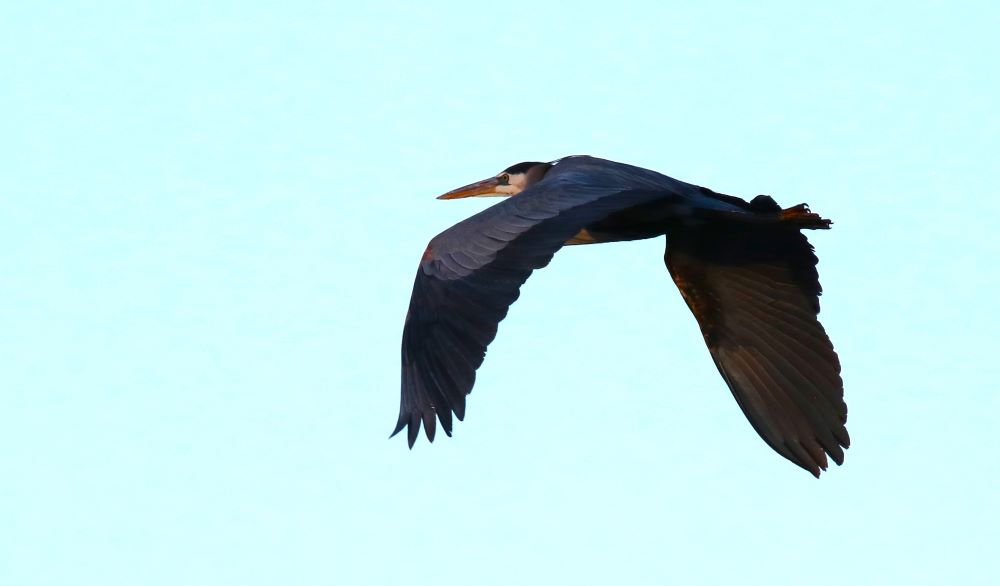
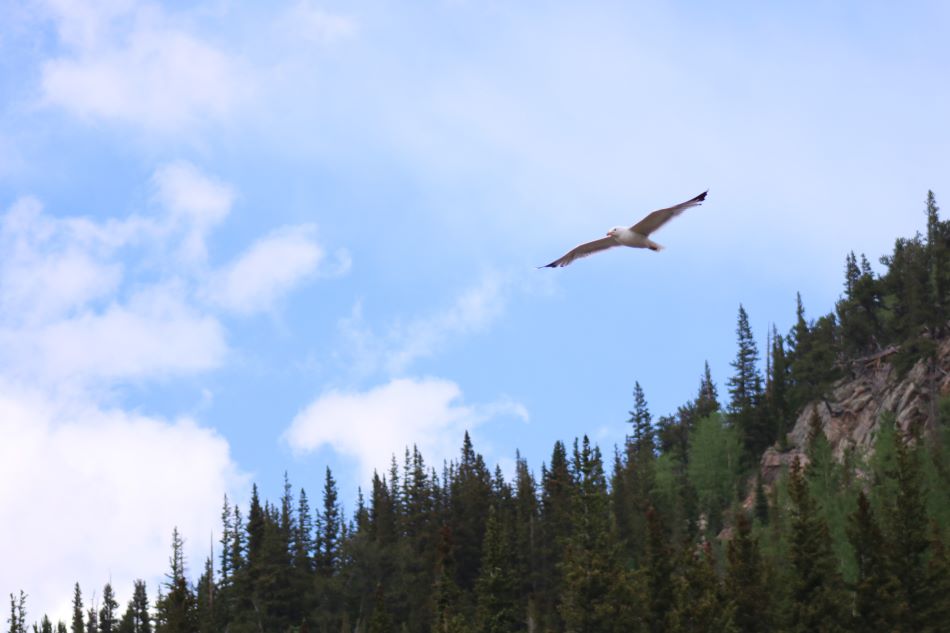
Gull gliding above Jefferson Lake, July 1, 2024

Becoming aware of grief gives us more choices about how to respond to grief and opens up possibilities to approach grief not only with compassion for self and others, but also with joy. Joy is not the opposite of grief. Grief is the opposite of indifference. Grief is an evolutionary indicator of love — the kind of great love that guides revolutionaries.
~ Malkia Devich-Cyril 

Note: I found that quote in Let This Radicalize You: Organizing and the Revolution of Reciprocal Care by Kelly Hayes & Mariame Kaba (it comes from this essay) and wanted to share it in response to my grief on many fronts: genocide in Gaza, climate collapse, political cowardice, abandonment during a global pandemic, etc. It also feels like a worthy companion to the excerpt shared in Rosaliene Bacchus’s post: Sighting the Storm which resonated with me.

Thankful Thursday: trailrunning

Just over three weeks ago, I took a pretty hard fall while running on the trails in the open space. I’ll spare you the image of my left knee that I texted to my sons after limping home (an image that prompted Wildebeest to reply, “Ewwwww. Mother I am squeamish”), and will only say that the last bits of scabbing came off two days ago (to which everyone reading is probably thinking, “Ewwwww, Tracy. We’re squeamish!”) The point is, my knee is healed and while I’d already resumed running on the streets, I was very nervous about trail running again.

I got up at six this morning knowing I needed to run early in order to beat the heat, and checked in with my intuition: run on the trails or run on the streets? Trails. Okay, then. In an attempt to feel slightly more protected, I put on leggings despite temperatures already in the 60s.

Not gonna lie: it’s always scary to run on those rocky trails after a fall and today was no different. It was hard to fully relax and I had to intentionally push images of tripping and falling out of my mind. I talked myself through the run (“You are strong. You are resilient. You are mindful. Feet on the ground, feet on the ground, feet on the ground,”) and tried very hard to be in the moment. Whenever my brain jumped to catastrophe, I reminded it to “be in this moment, with these steps.” [Note: I’m sharing these details to document the experience for myself, but also in case this approach might be helpful for anyone dealing with a trauma.]

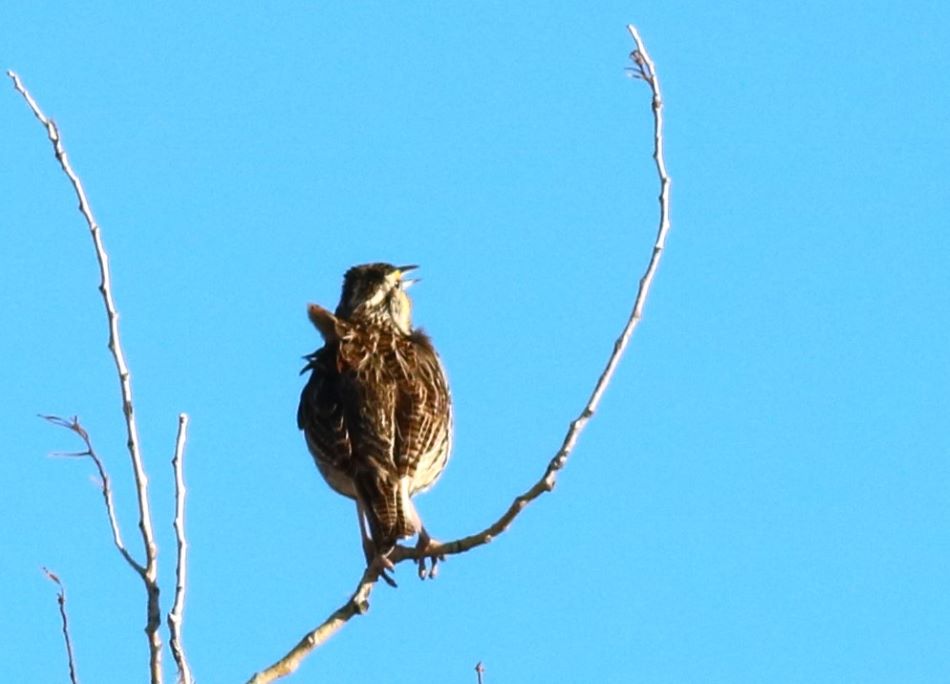
I wasn’t alone out in the open space. A large dark butterfly flew right in front of me, bringing a grin. Birds sang (lots of Spotted Towhees with their sweet sweet teeeeea) and when I paused to stretch at the top of the slog, I heard the liquid song of a Western Meadowlark.

Not a great photo but this was my very first Western Meadowlark sighting of the year at Lake Hasty on 4.3.24

While I avoided a particularly rocky segment of the trail, I knew it was imperative I run past where I’d fallen. As I got closer to the scene of the fall, all sorts of feelings and tightness showed up in my body, and I paused to allow myself to feel all of that. As I had immediately after the initial fall, I visualized my left foot hitting the rock in the trail and then rewrote the story in my mind. Instead of slamming into the hard ground, I slid into what was essentially a slip-n-slide of banana pudding (yep, that’s what my brain came up with that day). Both initially and today, I allowed my body to feel that frictionless sensation and then visualized myself laughing as I wiped pudding from my face and hands, and licked it from my fingers. I went through that exercise several times. It’s a somatic experiencing trick I learned from my therapist, and I highly recommend this for releasing trauma from your system. It works. As I walked home from the initial fall, my knee hurt but my body was already more relaxed. And over the next week, whenever the image of falling popped into my head, I reverted to my banana pudding rewrite. Pretty soon, I stopped having “flashbacks.”

Today I’m very grateful that I was able to run on my beloved trails again. I’m grateful I remained upright and I’m grateful for the tools I have to help me recover. I know from past experience that today’s run didn’t fully liberate me from my trauma and that I’ll be tentative for a bit, but facing my fear will go a long way toward getting me back to where I want to be. And where I want to be is out running on the trails. 🙂

Hiking with Emma

This is Emma after an enthusiast frolic in the snow next to the trail around Jefferson Lake last Monday.

We’re headed out now for another hike, this time in Golden Gate Canyon State Park, and I’m hoping for Emma’s sake that there’s more snow in her near future. 🙂

Wishing everyone a beautiful day!

Climate Movement Monday: mutual aid

Welcome back to Movement Mondays in which we discuss all things climate. And guess what? Climate is connected to every other issue we’re facing for the simple reason that everyone and everything on this planet is connected. No one and nothing exists in isolation.

As I write this, much of the western U.S. is under a heatdome while Hurricane Beryl continues to wreak havoc, this time in Texas. A couple days ago, the medical journal The Lancet published a report saying that a conservative death toll in Gaza is 186,000 dead–which equals 8% of the Palestinian population in the Gaza Strip–when indirect deaths (starvation, illness, disease, etc.) are taken into account. Ten days ago, the Supreme Court ruled that the constitution doesn’t protect unhoused people from cruel and unusual punishment, meaning it’s okay for cities to criminalize people for sleeping outdoors. Extreme weather is difficult even under the best of circumstances (i.e. with housing), and surviving extreme weather is much, much harder for those living on the streets. That’s where mutual aid comes in.

What is mutual aid? Mutual aid is about cooperating to serve community members. Mutual aid creates networks of care and generosity to meet the immediate needs of our neighbors. It also addresses the root causes of challenges we face and demands transformative change. 

Image by Gerd Altmann from Pixabay

As it becomes increasingly clear that the powerful elite has no interest in listening to or working on behalf of we-the-people, mutual aid shines brighter as a powerful way to share our energy. I hoped to find a national database of mutual aid efforts around the country that I could link here, but was unsuccessful (many mutual aid efforts started at the beginning of the pandemic have since folded). However, if you do a search for your city + mutual aid, you will get some hits. For instance, Zippy and I help via Rocky Mountain Mutual Aid Network (RMMAN) which collaborates with Joy’s Kitchen to get “saved” food to needy households. We also carry bottled water, granola bars, and masks in our car to offer people flying signs or washing windshields at stop lights. After that disastrous Supreme Court ruling against the unhoused, I came across this very helpful thread listing specific ways to offer aid to the unhoused.

I’ll close with this beautiful poem by the incredible Joy Hargo.

Once the World Was Perfect
BY JOY HARJO

Once the world was perfect, and we were happy in that world.
Then we took it for granted.
Discontent began a small rumble in the earthly mind.
Then Doubt pushed through with its spiked head.
And once Doubt ruptured the web,
All manner of demon thoughts
Jumped through—
We destroyed the world we had been given
For inspiration, for life—
Each stone of jealousy, each stone
Of fear, greed, envy, and hatred, put out the light.
No one was without a stone in his or her hand.
There we were,
Right back where we had started.
We were bumping into each other
In the dark.
And now we had no place to live, since we didn’t know
How to live with each other.
Then one of the stumbling ones took pity on another
And shared a blanket.
A spark of kindness made a light.
The light made an opening in the darkness.
Everyone worked together to make a ladder.
A Wind Clan person climbed out first into the next world,
And then the other clans, the children of those clans, their children,
And their children, all the way through time—
To now, into this morning light to you.
Joy Harjo, “Once the World Was Perfect” from Conflict Resolution for Holy Beings.  Copyright © 2015 by Joy Harjo.
——-
Thank you for reading this far. I’d love to hear your thoughts on any or all of what’s mentioned here, especially any further tips/ideas for helping out in our communities. Either way, take good care. Solidarity! ✊🏽

On this Independence Day

On this Independence Day, I suggest we in the United States think about liberating ourselves from one of our most harmful and destructive practices:

MONEY AND WEAPONS TO ISRAEL
“Israel has been the largest cumulative recipient of U.S. foreign aid since its founding, receiving about $310 billion (adjusted for inflation) in total economic and military assistance.” (source). Since October 7, 2023, the U.S. has sent at least 14,000 of its 2,000-pound bombs to Israel for a grand total of 28 million pounds of bombs raining down on Palestinians. And that only accounts for the BIG bombs. Who knows how many more pounds of death have dropped on Gaza.

Image by segobou from Pixabay

On this Independence Day, the thought utmost in my mind is declaring independence from genocide.  No one is free when others are oppressed.

From the river to the sea, Palestine will be free.

Wordful Wednesday: flora edition

As mentioned,  I spent part of yesterday in the backyard. However, my attention wasn’t solely aimed at birds, bees, and butterflies. I also found beauty in the bindweed blooming at the base of a clump of lamb’s ear.

Backyard.   July 2, 2024


Don’t get me wrong: I’m no fan of the invasive bindweed that wraps itself around other plants, choking them off. But the flowers are pretty. I still remember my neighbor’s horror years ago when I’d said as much. The funny thing is, the neighbor who now lives in that house also thinks bindweed flowers are pretty. Still, we both try to keep it at bay. And we’re both wildly unsuccessful.

In addition to the lovely blooms, I have to admire the weed’s tenacity. Bindweed and cockroaches, man. Survival instincts like no other.

Twofer Tuesday: house wren edition

Earlier, I was feeling loads of anxiety about the state of the world and planet, and so wisely went outside to sit below the deck for a hit of nature. The lamb’s ear are abuzz with bees and a painted lady butterfly landed on the plant closest to me. A swallowtail butterfly floated past. Various birds sang and then went silent for a while. As I petted Emma who was curled up on the bench next to me, a house wren began singing again. I aimed my camera into the light to capture the songster.

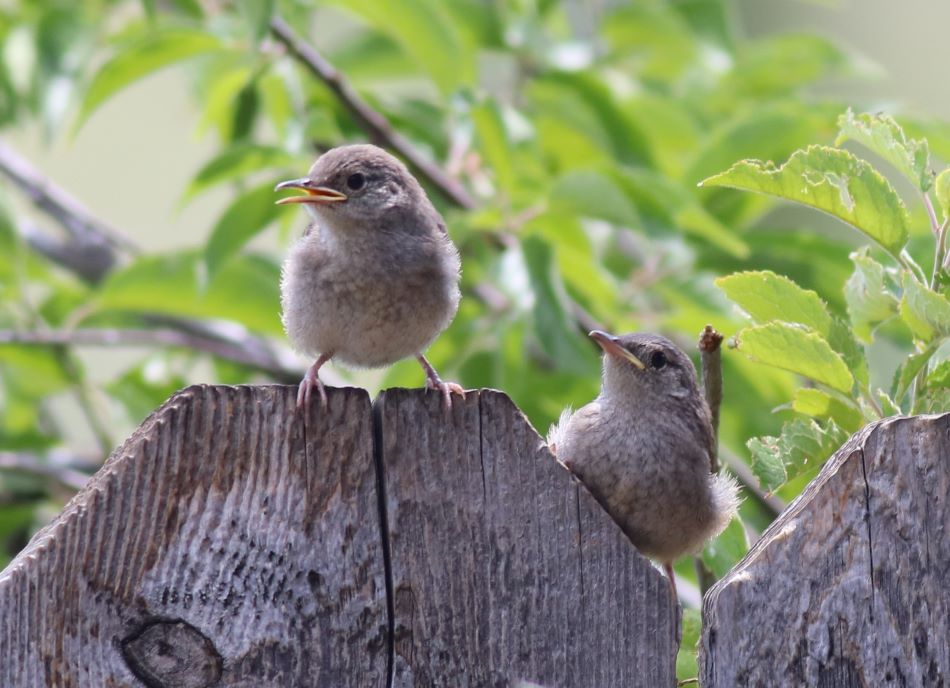
Didn’t catch the wren mid-note, but they were singing their little heart out.

And then I became aware of another wren, this one making the churring sound. That bird was a little farther down the fence.

I took a few more photos, grinning as the first wren continued the melodious song while this one stuck to its churring call. I lowered the camera then squinted, wondering if I was seeing things. No, I wasn’t imagining it!Two wrens, side-by-side. Two fluffy wrens. The baby wrens that’d been very vocal on Saturday as their parents worked tirelessly to feed them. The baby wrens that’d left the nest on Sunday, leaving Zippy and me to wonder where they’d gone. Just minutes before they showed up on the fence, I’d asked him whether young wrens stick around or head to a whole new area on their own. Zippy said he didn’t know.

But now we do know: they stick around!For a while, at least. To learn their calls and songs, and to practice flying.


Climate Movement Monday: whales, tents, & jail support

It’s another Movement Monday and I’ll be extra brief as Zippy and I are headed out for a much-needed dose of nature. I’m grateful to be able to escape to the great outdoors where I can clear my mind and refill my well, and I hope you’re also able to  rejuvenate during these incredibly dark days.

This ask comes from Healthy Gulf and involves personalizing a quick letter:

The critically-endangered Rice’s whale lives only in the Gulf of Mexico and is teetering on the edge of extinction, with only about 50 whales remaining. But rather than protecting them, members of Congress are trying to block desperately needed actions to protect the whales. These whales need your support!

Will you take action today to tell your representatives that you support protections for critically endangered Rice’s whales?

Some members of Congress are attaching anti-whale language to bills that would fund government agencies in 2025. One measure by Rep. Matt Gaetz (R-FL) would force the U.S. Air Force to exempt itself from protections for the Rice’s whale under the Marine Mammal Protection Act, even though the Air Force has not requested it and has a long history of working to protect endangered species in its operations. Another would block the federal government from spending any money on creating restrictions on the speed of ships traveling through designated whale habitat—a proven conservation action used worldwide to protect whales from vessel strikes. 

It’s pathological behavior for Congress to ignore the multiple crises threatening humanity’s very existence and, instead, to use their considerable power to target whales for extinction. Whew.

The second issue I want to put on your radar is a fundraiser to buy tents for people in Gaza (just realized they also have a separate fundraiser to buy diapers). The Sameer Project is a donations based aid Palestinian-led initiative working to supply emergency funding to the displaced families in Gaza. They are doing amazing work under incredibly difficult circumstances. This from their GoFundMe update today: The Sameer Project has so far provided over 525+ tents sheltering more than 5,000 people since the Rafah invasion started in May. That accounts for 1.5% of all the displaced population. Not only that, but our team has also been providing cash, clothing, food, water, and medical in all parts of the Strip. Wheelchairs are extremely expensive and difficult to find yet we successfully secured one for a woman with a severe case of Multiple Sclerosis (MS). Our community kitchens and water trucks are going strong in the North because of your support. We also recently sourced around 300 milk tins and 1250 packs of diapers in both the North and South. 

Donations of any amount are greatly appreciated!

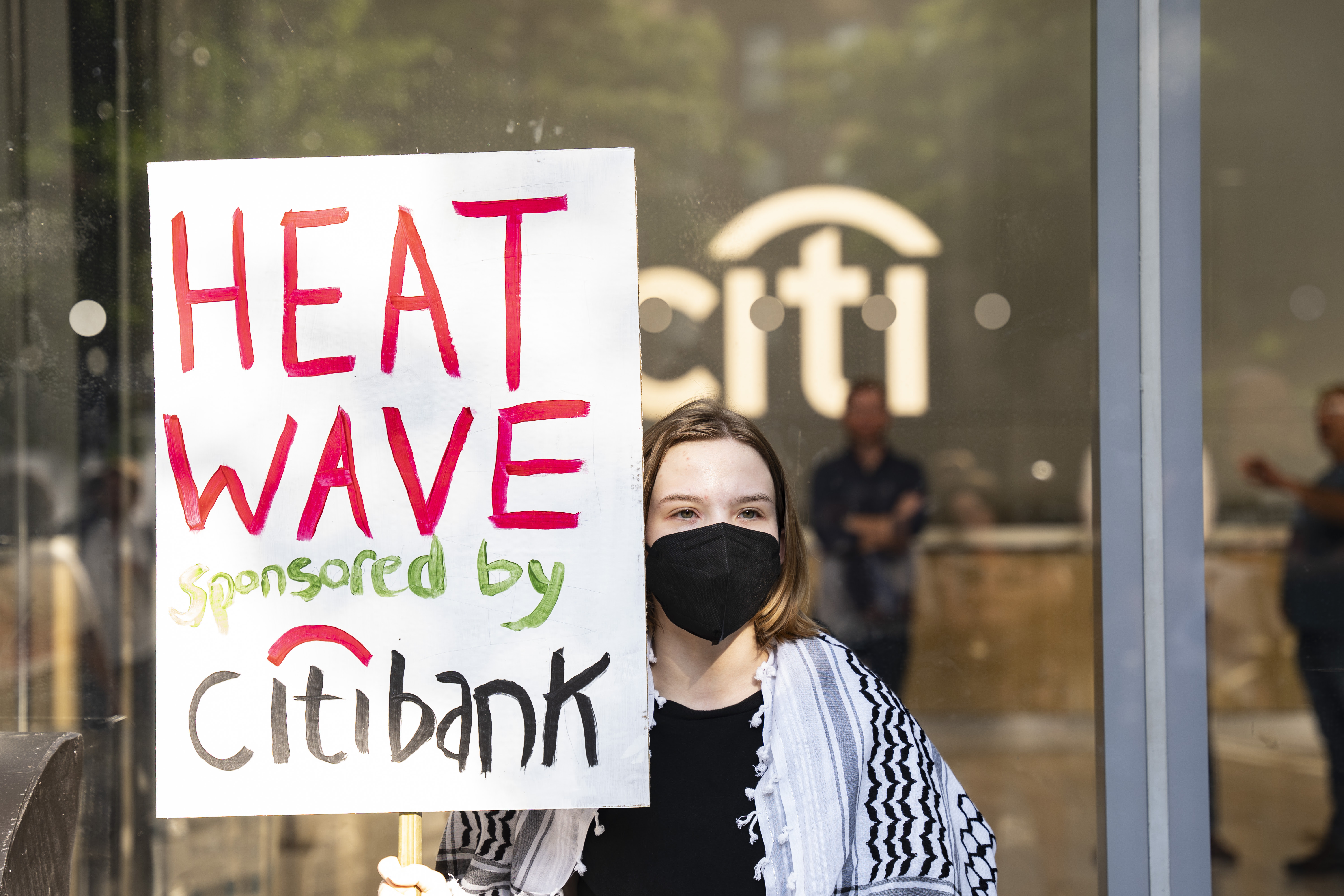
The third issue is monetary support for the courageous people of Stop the Money Pipeline who are putting pressure on CitiBank to stop funding fossil fuel projects and genocide in Israel (you can notify Citi you’re opposed their actions here). I wrote about the Summer of Heat campaign here. This from the latest Stop the Money Pipeline email:

In the last three weeks, we’ve helped organize sixteen actions on Wall Street financiers of fossil fuels, including seven civil disobedience protests at Citi’s HQ that have ended in more than 250 arrests.

As a result of our tireless organizing, our message is getting out.

Yesterday, ABC correctly reported that “fossil fuel projects in [the Gulf South] are devastating Black and Brown communities.” Reuters wrote that “Citi employees were alerted on Thursday to anticipate ‘significant protest’ activity on Friday.” The previous day, Bloomberg reported that our protracted campaign is beginning to wear on employees and executives alike.”

We aren’t deterred by all the arrests. Our resolve is only hardened: we will make our demand to end fossil fuels impossible to ignore by continuing disruptive, nonviolent civil disobedience.

That’s why we’ve been shutting down Citi’s HQ since early June – and why we’ll continue to be back week after week.

To sustain this fight, we need your help. Donate here to our legal and jail support fund. Every cent raised will support the courageous activists risking arrest week after week here in New York.

Again, any amount is helps! Thank you for reading this far and please know how much you’re appreciated. Solidarity! ✊🏽
His poetry and my photo

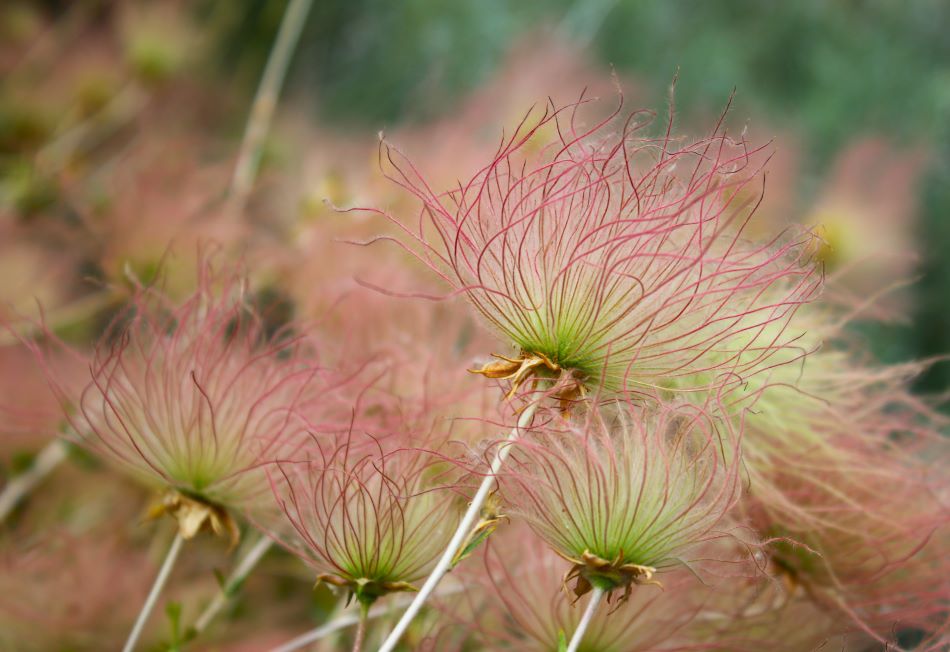
This morning I went into the backyard with the camera and came away with this image from one of our blooming Apache Plumes.

The image reminded me of dancing fairies, delicate and airy. Later, I received an update and thank-you email from a fundraising campaign, sponsored by the Gaza Poets Society, to evacuate two young children from Gaza. The email update stated that due to the continued closure of the Rafah border, the campaign is shifting from evacuation to sustainability (food and basic supplies), and donations of any amount are gratefully accepted.  The thank-you portion of the email was a PDF of the Gaza Poets Society Anthology.

As I read through the poems, Dance with Me made me think of my blooming Apache Plume, and I wanted to share the pairing here. His poetry and my photo, connected across the miles, in honor of our shared humanity.

Dance with Me – Mohammed Moussa

I’ll dance with you
under the rain
in love and pain;
on the seashore of hope
we will sing for life and joy.
We’ll dance
on behalf of absence
in the streets, and
on the outskirts of our city
we’ll flap our wings
lift joy and love
and sing
         and sing

Twofer Tuesday: out my window

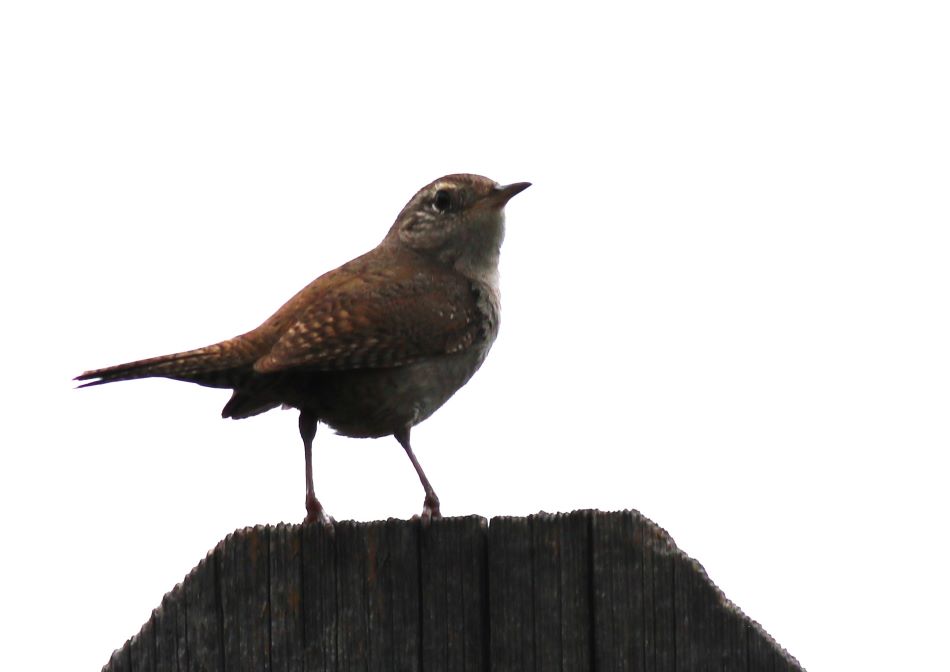
Today I’m grateful for all the activity that’s viewable from my windows. Just a while ago, I paused my laundry duties to watch house wrens at the nesting box hanging outside the window. Nothing like a little avian activity to lighten the drudgery of dealing with dirty sheets and towels.

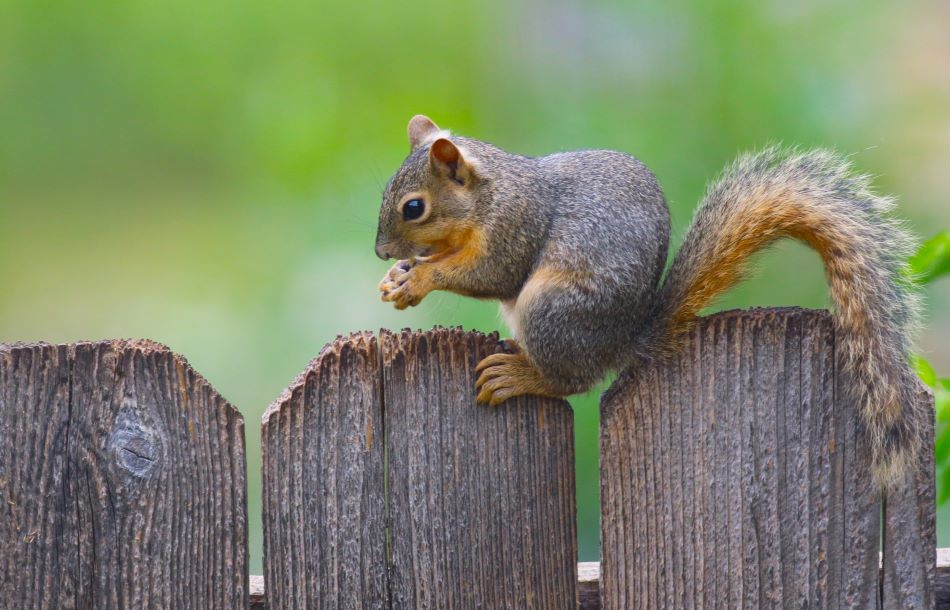
Last week, I photographed this youngster eating the nut munch we provide for neighborhood squirrels. I smiled the entire time.

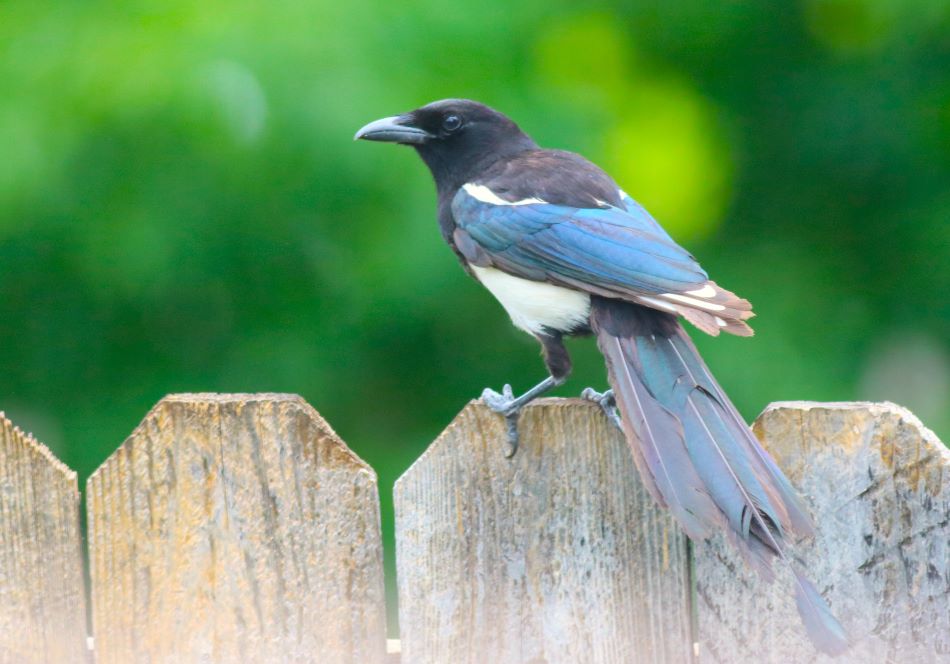
A few minutes later, I was gifted the sighting of this magpie and its colorful plumage. It wasn’t until looking at the photos that I realized a tail feather is damaged. That imperfection doesn’t detract from its beauty, but instead adds to its mystique.

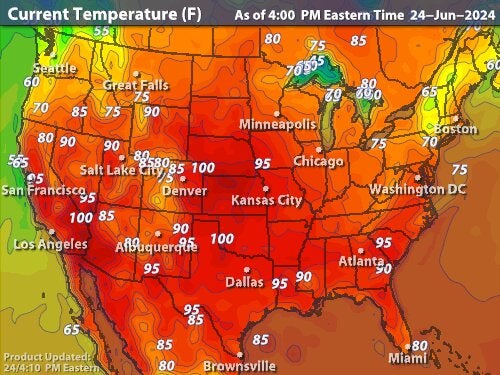
It’s currently 95 degrees and I’m hunkered down inside, grateful for the swamp cooler keeping the house cool-ish and for the windows that allow glimpses of our wildlife visitors.

Climate Movement Monday: declare a national climate emergency

Welcome back to another Movement Monday in which we discuss the climate crisis and take a quick action on behalf of people and planet. I don’t have a formal request for an action today, but suggest making phone calls and/or emailing Biden plus your two Senators and one Representative to report on what June has been like where you live. Is it hotter than usual? Windier than usual? Have there been wildfires, floods, tornados, tropical storms, drought, hail storms, etc.? How’s your air quality? Have you had to curtail physical activity? Have you lost insurance coverage due to climate risks?

A Bloomberg article from April stated “White House officials have renewed discussions about potentially declaring a national climate emergency, an unprecedented step that could unlock federal powers…” I don’t have a subscription so could only read that opening, but it seems like a good idea to let Biden and the Democrats know there’s broad support for the declaration of a climate emergency that would unlock all sorts of powers to take action.

When I made calls today, I reported that despite it still being morning, the temperature in the Denver metro area was already above 90 degrees. I went on to say that while those elected officials possessed considerable power that could be used to mitigate the climate crisis, they were instead using that power to enable and support a genocide in Gaza, and total destruction of infrastructure via 262 days of nonstop bombing that was also accelerating the climate crisis. I pointed out that the majority of people do NOT want their tax dollars used to kill and destroy, and would prefer a climate emergency declaration that would get everyone working together to ensure the planet remains livable.

On a related note, last week organizer Kelly Hayes shared the link to a Truthout article Climate Refugees Are Occupying Abandoned Buildings in Southern Brazil. This not only ties in with Rosaliene Bacchus’s recent blog post, but also gave me a boost. People coming together to care for each other in time of tragedy.

“This is our lifeboat,” says Liziane Pacheco Dutra. She wears a thick black jacket. Her hair is pulled back in a pony tail. “We lost everything to the flood. We have nothing. We have no bed. No food. We were disrespected at the shelter, and here we have found a connection, care and open arms. We’ve made friends. The kids play together and we are looking after each other.”

People were not treated well in the shelters which are mostly run by middle and upper class people who show the working class little respect. Instead, people are forming communities in abandoned buildings.

It’s a profound sentiment and a symbol of what the occupation means for the nearly 60 families that live here.

I recommend reading the entire article which shows what happens when people come together for the common good. Reading it warmed my heart and filled me with hope for the many possibilities available to us. Shared humanity for the win!

Wherever you are, I hope your local temperatures and weather are moderate. I’d love if you shared details of your June in the comments and/or comments made to your elected officials. Either way, please take care and stay safe. Solidarity! ✊🏽

Day 261: it’s all connected, we’re all connected

On this 261st Day of Genocide in Gaza, I admit to being stunned that the carnage has not only not ceased, but has become increasingly depraved. I won’t go into details as the words and images are easily found due to IOF soldiers proudly documenting their depravity/lack of humanity on social media sites. To counteract the sadism, I decided to offer a poem by a Palestinian, and so went in search of something that resonated.

I landed on a poem by Mahmoud Darwish (1941-2008) who is “feted as Palestine’s national poet for his words expressing the longing of Palestinians deprived of their homeland, which was taken by Zionist militias to make way for present-day Israel. His poetry gave voice to the pain of Palestinians living as refugees and those under Israeli occupation for nearly a century.” And because this morning I began reading the Pulitzer Prize-winning Blood in the Water: The Attica Prison Uprising of 1971 and Its Legacy by Heather Ann Thompson, the Darwish poem I chose is “The Prison Cell.” Because just as the United States incarcerates more people than any country on earth (currently about 2 million people), Israel incarcerates thousands upon thousands of Palestinians and holds them without filing charges. It’s all connected. We’re all connected. And just as the incarcerated in the U.S. are treated as less-than and subjected to brutal conditions, so are the Palestinians. It doesn’t matter who we are or where we live on this planet: It’s all connected. We’re all connected.

In this spirit, I offer:

The Prison Cell
by Mahmoud Darwish
(Translated by Ben Bennani)

It is possible . . .
It is possible at least sometimes . . .
It is possible especially now
To ride a horse
Inside a prison cell
And run away . . .

It is possible for prison walls
To disappear,
For the cell to become a distant land
Without frontiers:

What did you do with the walls?
I gave them back to the rocks.
And what did you do with the ceiling?
I turned it into a saddle.
And your chain?
I turned it into a pencil.

The prison guard got angry.
He put an end to the dialogue.
He said he didn’t care for poetry,
And bolted the door of my cell.

He came back to see me
In the morning.
He shouted at me:

Where did all this water come from?
I brought it from the Nile.
And the trees?
From the orchards of Damascus.
And the music?
From my heartbeat.

The prison guard got mad.
He put an end to my dialogue.
He said he didn’t like my poetry,
And bolted the door of my cell.

But he returned in the evening:

Where did this moon come from?
From the nights of Baghdad.
And the wine?
From the vineyards of Algiers.
And this freedom?
From the chain you tied me with last night.

The prison guard grew so sad . . .
He begged me to give him back
His freedom.

—-

One final connection between Palestinians, the men in Attica in 1971, and me: this poster I unearthed in my basement yesterday, one I’d bought years ago (and possibly hung in my California classroom):


It’s all connected. We’re all connected.

Climate Movement Monday: Summer of Heat campaign

Welcome back to another Movement Mondays in which we discuss all things climate and then typically take a quick action or two (today’s suggestions from Stop the Money Pipeline will be to donate, make a phone call, and send personalized emails) in support of frontline communities, those enduring the worst of the climate crisis.

With record-breaking heat happening around the country, along with a whole lot of wildfires currently burning, it could be said that every single one of us lives in a frontline community. Here’s today’s wildfire map from FIRMS US/CANADA (Fire Information for Resource Management System US/Canada):

Each of those orange flame icons represents a current wildfire. And it’s precisely for this reason that last week, Stop the Money Pipeline launched their Summer of Heat campaign (scroll down at link for details and lots of good info, including this):

The clock is ticking. That’s why during the Summer of Heat, we’re taking joyful, relentless nonviolent direct action to end fossil fuel financing. 

Wall Street is bankrolling the coal, oil and gas companies that are polluting our communities and killing our planet. But we’re going to stop them.

We’re going hard all summer long. Week after week. Month after month. We’re taking the party to the streets and we won’t stop.

The following comes from the Stop the Money Pipeline newsletter sent last night:
It’s been quite the first week here in New York. We organized civil disobedience actions at Citibank’s global headquarters four days in a row: On Monday we blockaded every entrance with 150+ people. On Tuesday, we did it with a giant pod of orcas. On Wednesday, it was the turn of the scientists, including Dr. Sandra Steingraber and Dr. Peter Kalmus. And on Thursday we blockaded the headquarters with 200+ elders and 50+ rocking chairs.

On Friday, we held a block party in the plaza outside the HQ and in the midst of it all, we also found the time to disrupt a speech by Citibank’s Head of Wealth Management, Andy Seig. In total, 144 people were arrested this week, demanding an end to the financing of fossil fuels.

As someone who was arrested and jailed for climate protest, I know the risks these folks are taking on our behalf (especially risky now during an ongoing pandemic in which New York’s governor, Kathy Hochul, is threatening a statewide mask ban). Alec Connon, co-director of Stop the Money Pipeline, said in that newsletter he was jailed twice last week! If you can spare a few dollars, please donate to the legal fund set up for the summer’s planned actions. Twelve weeks of actions will land an awful lot of people in jail because the powerful elites are working overtime to crush dissent as climate collapse worsens. Note: today’s article from independent journalists at The Lever is Big Oil’s Plan to Criminalize Pipeline Protestors.

The following also comes from last night’s Stop the Money Pipeline newsletter:

The stakes of the climate fight cannot be overestimated. Already, at less than 1.5°C of warming, half of the world’s coral reefs have collapsed and millions of children are being displaced by climate-driven extreme weather events every year. If we don’t stop burning fossil fuels in the coming years, it will get so much worse.

Given these stakes, it feels good to be a part of a campaign that at least feels close to being commensurate with the scale of the crisis.

I take heart, too, in knowing that history shows how effective sustained campaigns of civil disobedience can be. Indeed, many of most significant advances in social justice of the past 150 years ― from women’s suffrage to desegregation to the many gains won by organized labor ― owe less to subtle, “respectable” maneuvering than to the disruptive campaigns and groups that first made the issues impossible to ignore, and then forced decision-makers to act.

I believe that will be true of the fight to end fossil fuels, too―and that civil disobedience will play a key role in turning Wall Street against the fossil fuel industry.

As we take a breath and prepare for another week of civil disobedience actions, there are several ways that you can support the Summer of Heat campaign, wherever you are.

You can take a few minutes to call Citi’s CEOemail a dozen of their top executives, or call them out on social media. If you have the means to do so, you can also make a donation to the Summer of Heat campaign here. We’ll put every cent to good use.

And, of course, if you’re really eager to jump in, you can also look up where the closest Citi branch is to you and plan an action; or you could even start to plan your trip to New York. June 28th would be a very good day to be in town…

In Solidarity
– Alec Connon, Stop the Money Pipeline coalition co-director

PS: Interested in checking out the media from the first week of Summer of Heat? The pick of the bunch is here: Newsweek, the HillSalonDemocracy Now – WednesdayDemocracy Now – ThursdayBloombergABC7AM NYNPRCommon Dreams, and the NY Post

As I end here, I want to highlight the TikTok video of the orcas blockading Citibank on Tuesday. (Warning: profanities).

Thank you for being here and please know I appreciate your efforts on behalf of people and planet. Solidarity! ✊🏽

Sunday Confessional: the mundane soothes me

Zippy and I’ve lived in the same home for 28 years, the longest either of us has stayed in one place. We came here with two young children, two large dogs, and two cats. We needed/wanted space. Our sons now live their lives elsewhere and the household is just us plus one small dog and two cats. We no longer need all this house or the big yard.

I dream of living in a smaller dwelling. The problem is, I don’t know where I want to go. Should we stay in Colorado? Should we venture somewhere new? Can I find a location that doesn’t have extreme temperatures or mosquitoes? I’ve been pondering this a while, but those questions still bounce around my head unanswered. So, for the time being, we’re still here.

But! Last Sunday I set my eyes on the future and began taking steps. I started divesting of stuff, specifically Zippy’s stuff. Why his? Because I knew the keep-or-toss decisions would be easier. Our basement storage room contained about ten boxes he’d put down there when he lost his engineering job nearly nine years ago. The boxes were filled with technical books and files, things he’d used over the course of his career and planned to use again. Except he was never able to get another job and, as the years went by, the info contained in those boxes was no longer current. Keep-or-toss decisions would be a whiz!

As I shuttled boxes up to him, one at a time, Zippy decided what he wanted to keep and what could go. As he went through the minutiae, I took the discarded files and books to the garage where I began filling bins and then boxes with paper to be recycled. The files were easy to handle, the books a little harder. I experimented with an xacto knife and cut pages from book spines before realizing I preferred tearing out the pages. Zippy thought that approach was tedious and way too time-consuming, but I loved it. After I got into a rhythm, I felt my mind empty. My thoughts were no longer on Gaza or climate collapse or the pandemic or the peeling paint in the bathroom or the bindweed strangling my yarrow plants or the health issues facing various loved ones or the fact that I still hadn’t found anyone to deliver mulch for the backyard. All my focus was on reaching down with my right hand to gather a number of pages–not too many and not too few–and then tearing them along the spine in one smooth motion before dropping the pages into a neat pile in the box next to me and then reaching for more.

Photo by cottonbro studio at pexels.com (A Person Wearing White Long Sleeves Tearing the Pages of a Book while Soaking in the Lake)

I destroyed books and workbooks for most of the afternoon and not only felt a deep sense of peace, but also accomplishment. I was–FINALLY–kinda, sorta taking steps toward a move.

The next day, we drove our Subaru filled with all those bins and boxes of paper to the city recycling center where we unloaded my hours of labor. While I was dismayed to learn our paper had to go into the same roll-off that contained cereal boxes and egg cartons (degrading the paper quality), the sense of accomplishment rose up in me again. It wasn’t only the car that was lighter as we drove away.

We didn’t get through all the boxes last week and today we finished up. As Zippy sorted through his belongings, keeping some things and discarding others,  I returned to my post in the garage and began tearing pages from books. The same calm returned with each successful rrrriip.

I realize not everyone will resonate with this approach to mental health, but you might be surprised. Never in a million years thought these words would come from me but
I absolutely, with no reservations, recommend tearing pages from books!

Action needed: prioritize Palestinian refugees in U.S.

As you know, the United States is largely responsible for the genocide happening in Gaza right now. Tens of thousands dead, thousands more buried beneath rubble, and entire families wiped out by the U.S. bombs supplied to Israel. The reality is incredibly bleak. However, there’s an effort underway that could potentially save thousands of Palestinian lives, and that is to allow them to reunite with family members in the U.S.

This action info came to me via an email from MPOWER CHANGE:

Rep. Greg Casar, Sen. Dick Durbin, and Rep. Pramila Jayapal are leading a bicameral letter expressing strong support for a Priority-2 (P-2) designation under the U.S. Refugee Admissions Program (USRAP) for Palestinians in Gaza with family in the United States. The Biden administration is reportedly considering this policy change.1

Urge your U.S. Senators and Representative to sign on to the Casar-Durbin letter NOW:

Palestinians are so rarely granted U.S. refugee status that, of the over 60,000 refugees resettled in the United States in 2023, fewer than 0.1% were Palestinians.2

PLEASE take two minutes to personalize a letter to your representatives, demanding they ease some of the pain and suffering they’ve enabled by signing on to the Casar-Durbin letter.

Thank you in advance for your help. Solidarity! ✊🏽
  1. White House considers welcoming some Palestinians from war-torn Gaza as refugees,” CBS News, Apr. 30, 2024.
  2. Republicans want to ban Palestinian refugees from entering the U.S., but it’s already very hard for them to get in,” NBC News, Oct. 7, 2023

Olive Odyssey: olive oil from Palestine

Zippy is the chef of our household (while I fill the role of “grateful eater of all he prepares”), and when he decided his cooking was in need of some olive oil from Palestine, he placed an order with Olive Odyssey. Our olive oil arrived today!

But we didn’t only receive the bottle of olive oil. The package also contained an organic fabric bag and a post card with the above picture on the front and this message on the back:

It feels so good to hold that bottle in our hands and feel the connection with Palestinian farmers who lovingly care for their olive trees, land, and traditions. Shared humanity for the win!

eta: I just realized the bottle has other info, including that this olive oil is from farmer  Abed Al-salam Bargouti and that it was sourced from “Rumi olive trees nestled in the hills of Aboud village at the heart of Palestine’s Ramallah region.”

Poppies for Palestine

As I walked past my neighbor’s poppies today, my thoughts went to Gaza because the poppy is the national flower of Palestine.

June 10, 2024

I’m grateful for these poppies, glorious and resilient in the face of our frequent heavy winds, since mine tend to live very short lives. Every year, they’re here and then gone. But despite my poppy experience, poppies are seen as a symbol of resilience:

The poppy symbolizes the resilience and enduring spirit of the Palestinian people. This designation stems from the flower’s pervasive presence in the region and its poignant representation in various cultural and historical contexts.

The red of the poppy symbolises the blood of the martyrs within this land. The colors of the poppy also mirror the colors of the Palestinian flag with red, black, white and green.

The poppy’s vibrant red petals are often seen as a metaphor for the bloodshed and sacrifices endured in the ongoing struggle for freedom and self-determination. Its ability to thrive in adverse conditions mirrors the steadfastness and hope of the Palestinian people amidst their challenging circumstances. The choice of the poppy as a national symbol is a powerful testament to the collective memory, cultural identity, and the unyielding quest for peace and sovereignty in Palestine.

Today I post these poppies in solidarity with the people of Gaza. From the river to the sea, Palestine will be free.

Friday Haiku: on freedom of the press

religious school mob
attacks journalist
supremacist frenzy

Note: this happened on June 5 in occupied Jerusalem during the “Flag March.” Palestinian journalist Saif Al-Qawasmi was attacked, first by students of a religious school and then beaten by Israeli police. Journalist Nir Hasson tried to protect Qawasmi and was also beaten. Hasson, who works for the newspaper Haaretz, took this photo. Other images can be seen here.

When magpies sound the alarm, heed their calls

This morning as I did my daily “bed stretches,” it finally registered in my brain that the magpies were being unusually loud and persistent outside my window. I got up and looked out.

A fox!

I ran to the other end of the house to grab the camera from the dining room table, updating Zippy on the way. When we got back to the window, the magpies were still chastising the fox and I started taking photos through our screen. Unfortunately, the shutter clicks disturbed the fox (s/he turned to look directly at me), so I stopped.

But I texted my neighbor to let him know he had a visitor. He quietly stepped out onto his deck and the fox ran for the back fence where it leapt up onto the same section where a bobcat had sat nearly two years ago, and then disappeared on the other side. A beautiful gift from the universe! And a very, very nice way to begin the day.

Note to self: when you hear incessant magpie calls, investigate!