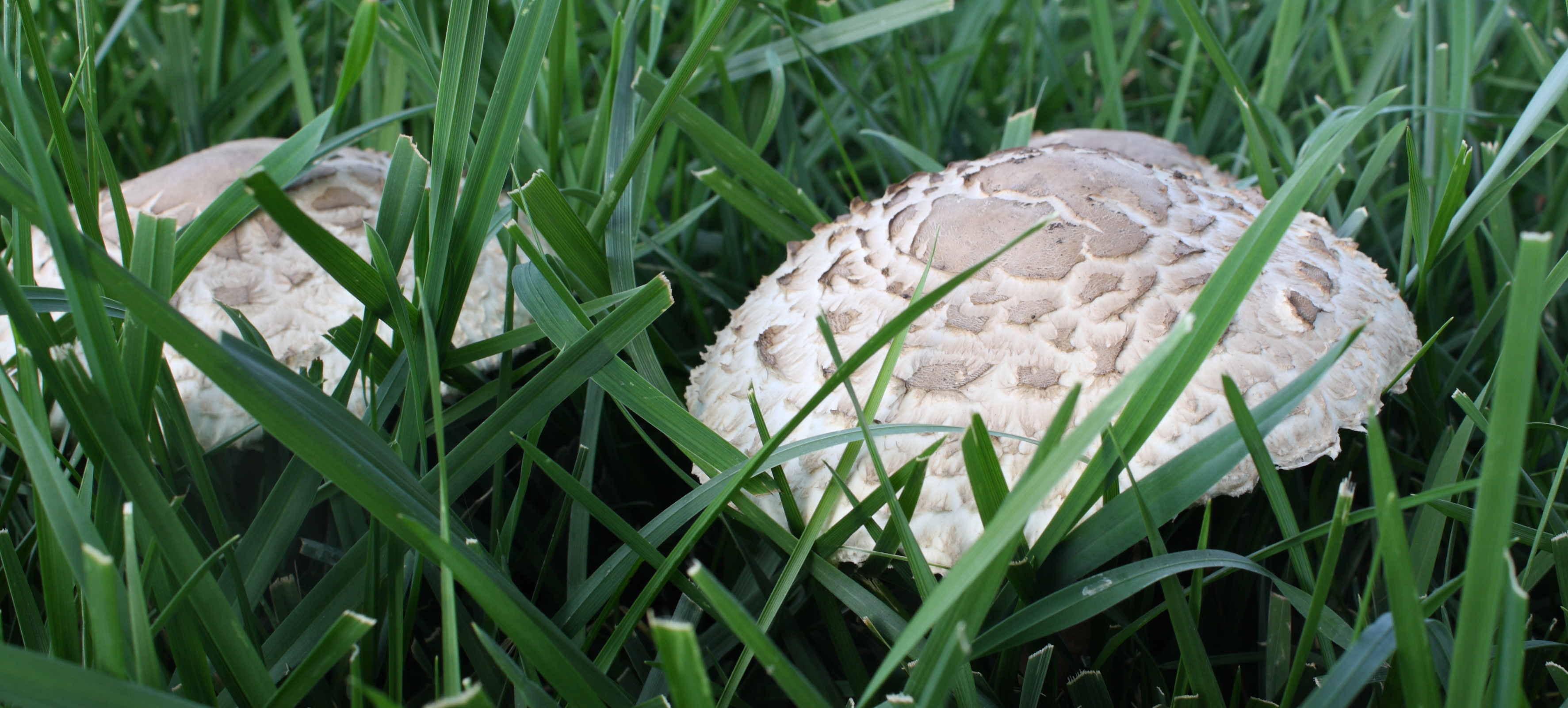
Rain makes green grasses,
lush suburban lawn.
Fungi invasion.
.
Rain makes green grasses,
lush suburban lawn.
Fungi invasion.
.
Sometimes a manuscript’s revision requires a total knock-down.
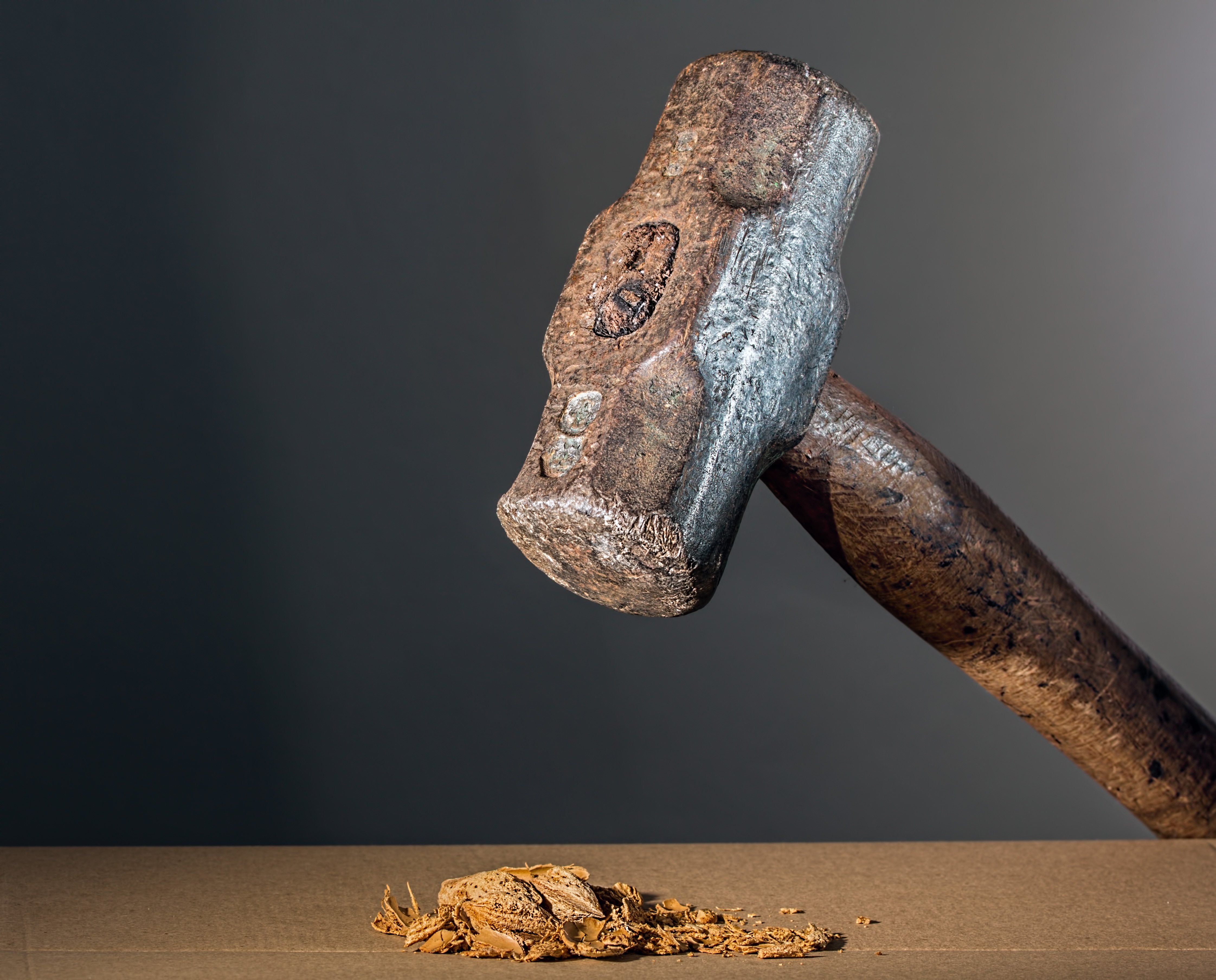
Other times a lighter touch is needed.
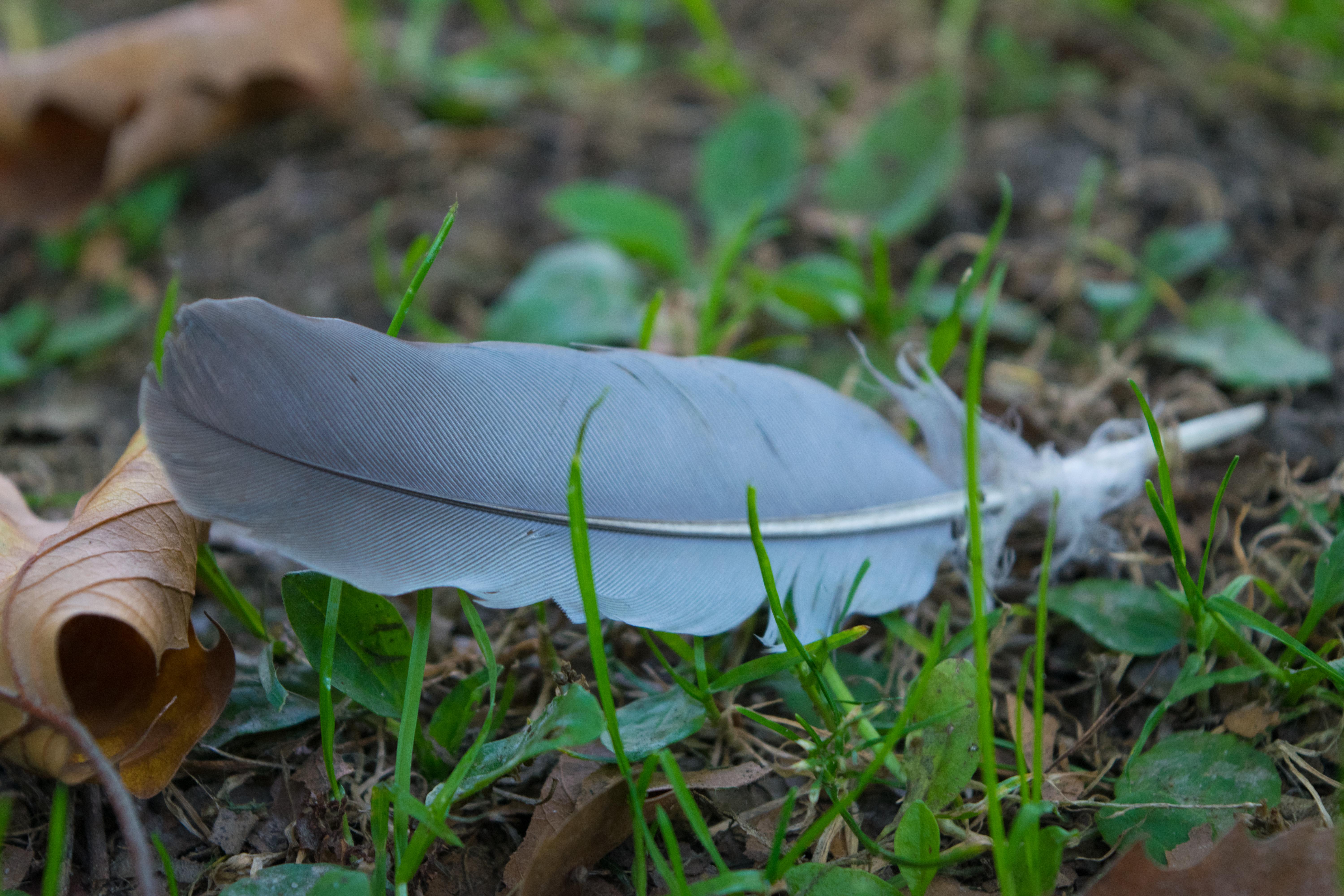
Today my process feels closer to weaving than rewriting. I’m focusing on existing threads and interlacing them with other strands.

Note: This woman has a distinct advantage in that she will, without a doubt, know when she’s finished her project. When it comes to revision, I don’t always know when enough is enough.
.
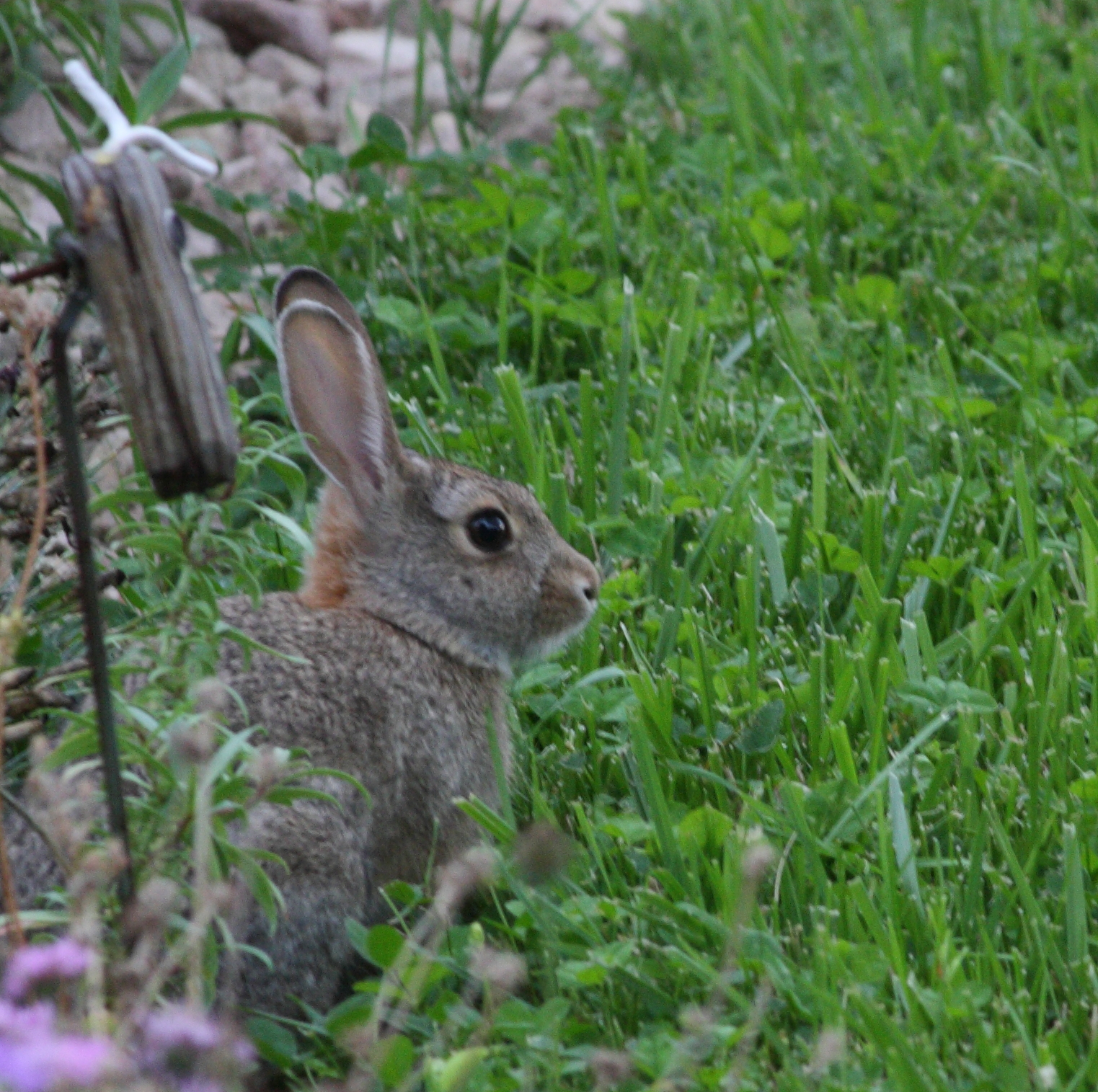
A rabbit at rest
eyes looking to the future
escape route all mapped.
.

I must dig deep to find the essence I’ve overlooked, hoping that as I revise I don’t trample the delicate structure already in place.
Gotta float like a butterfly and sting like a bee.
.
Last night I found out I wasn’t selected as a Pitch Wars mentee and I admit to feeling down. I went to bed thinking I was a loserhead. Then I woke up this morning and reread feedback I’d received from one mentoring team last night, and the wheels began turning. When another mentor sent feedback, one of her comments dovetailing nicely with a bit from the earlier critique, the wheels in my head started cranking in earnest.
Did I agree with everything written? Nope.
Did I have AHA moments as I read their comments? Yep.
Can I quit this manuscript when it’s within my power to strengthen it? Nope.
So does this mean I’m embarking on yet another round of revisions? Yep.

The season’s last clematis bloom.
I exchanged emails with a writer friend about all this and he was a bit horrified that I’m revisiting this manuscript for the umpteenth time. His exact words: I think you’re the type of person who puts a band-aid on just to rip it off!
But that’s the writing life: patches of blue poking through the clouds, an occasional burst of sunshine, and a steady stream of self-inflicted pain.
So it goes.
.
Last night’s concert with Shovels & Rope and Nathaniel Rateliff and the Night Sweats filled me with joy and admiration. I’m not a musician nor have I ever played one on TV, but I felt a kinship with the people on the Red Rocks Amphitheatre stage.
Why? Because as I watched and listened to all those talented musicians, I understood on a gut level the work they’ve done. They’re creative people who have put in years and years to get where they’re at, and they’ve enjoyed glimpses of triumph and then been dragged down low. They’ve been discouraged yet kept going and when something wasn’t working, they tried something else. Every one of them took chances and eventually triumphed.
I want to be like those musicians when I grow up.

.
If you presume to love something,
you must love the process of it much more than you love the finished product.
~ John Irving
Right now I’m not entirely sure I love the fiction-writing process. As I revise this young adult novel, I’m starting to question whether I have any business trying to get published. I received some feedback on another manuscript that has me questioning my talent, and today I’m more wobbly than I’ve been in some time.
So. The bad news is I’m scared and exhausted and wishing someone could cut out this obsessive writer part of me so I’d never have to feel this way again.
The good news? My experience tells me that this ugly fog will eventually lift and then fade to a very faint memory. Lather, rinse, repeat.
I might not always love the process, but I trust it.

.
To live a creative life, we must lose our fear of being wrong.
~ Joseph Chilton Pearce
Anyway, “wrong” is a subjective term except for when I’m doing math.
Which I most definitely am not.
So it’s all good.
(Okay, not “all” good. But mostly!)
.

I — think — I — can. I — think — I — can. I — think — I — can. I — think …
.
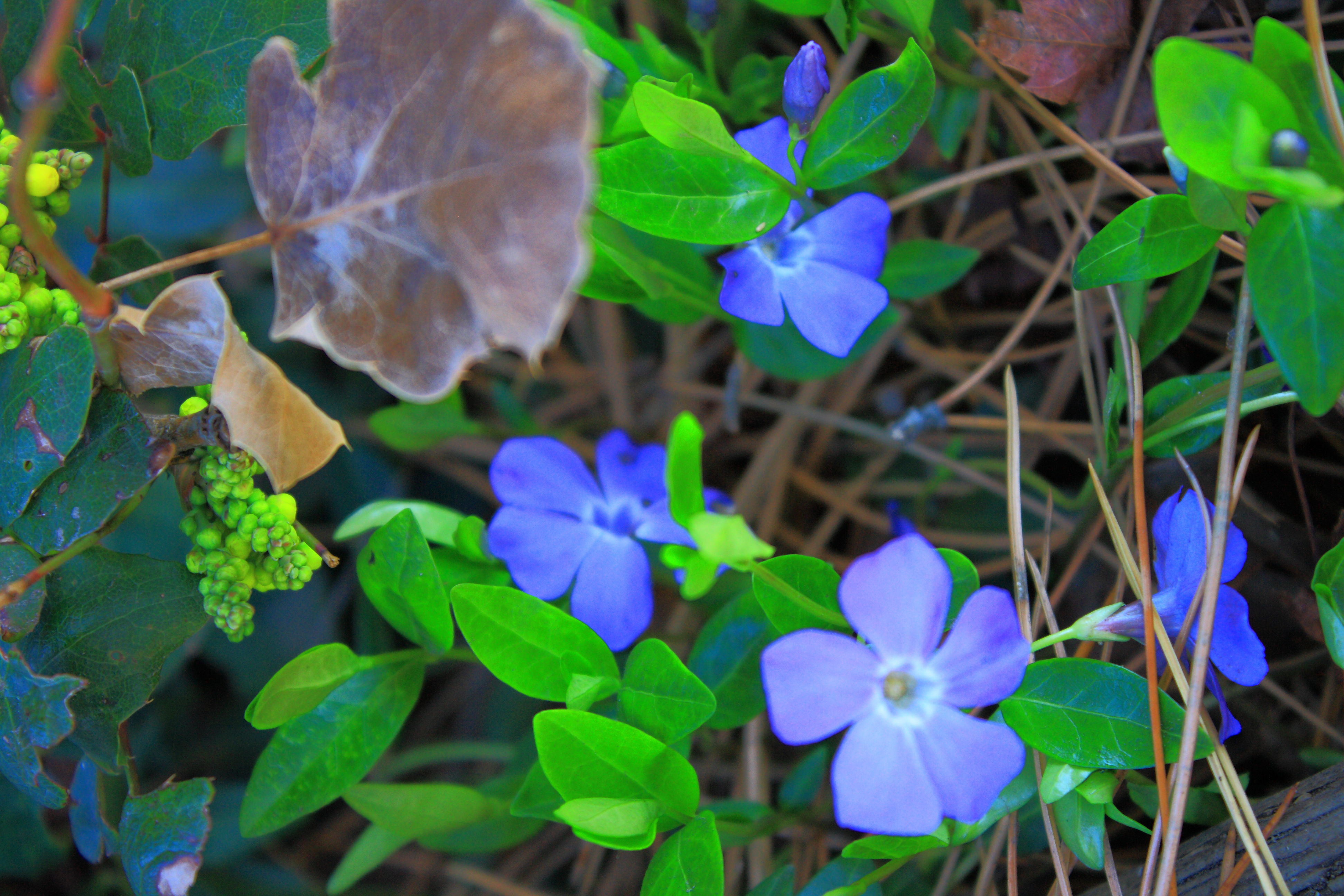
As I posted yesterday, I’m focusing on getting through this draft of my revisions and am trying hard not to get bogged down in potential issues. I want to trust that I can fix anything in need of fixing next time around. Right now the priority is maintaining forward momentum. The problem with pushing hard rather than employing my usual tweak-and-polish-rinse-repeat approach is that I can still see those potential issues and I start to doubt.
For instance in the above photo, I see all sorts of stuff:
vinca leaves
vinca blossoms
holly leaves
holly berries
pine needles
maple leaf
landscape timber
In this photo, it’s not clear where the eye should go. The focus isn’t great and there’s all sorts of stuff going on. And that’s a bit how it feels with the draft I’m revising. What potential issues deserve my full attention right now and what’s okay to let go? Where should I zoom in and where can I pan the camera? Inquiring voices (in my head) want to know.
I’m not in any kind of panic about this. I’ve made solid progress today and still believe (24 whole hours later!) that I’m taking the best approach to this draft. It is, however, interesting to note that the voices insert themselves into my writing process regardless of what that process might be.
.
While reading Gary Paulsen’s LIAR, LIAR and companion novel FLAT BROKE this morning, I found myself thinking an all-too-familiar thought: “I want to try writing something like this.” (In this case I was referring to short novels, about 20k words, with the same characters, setting, and timeline.)
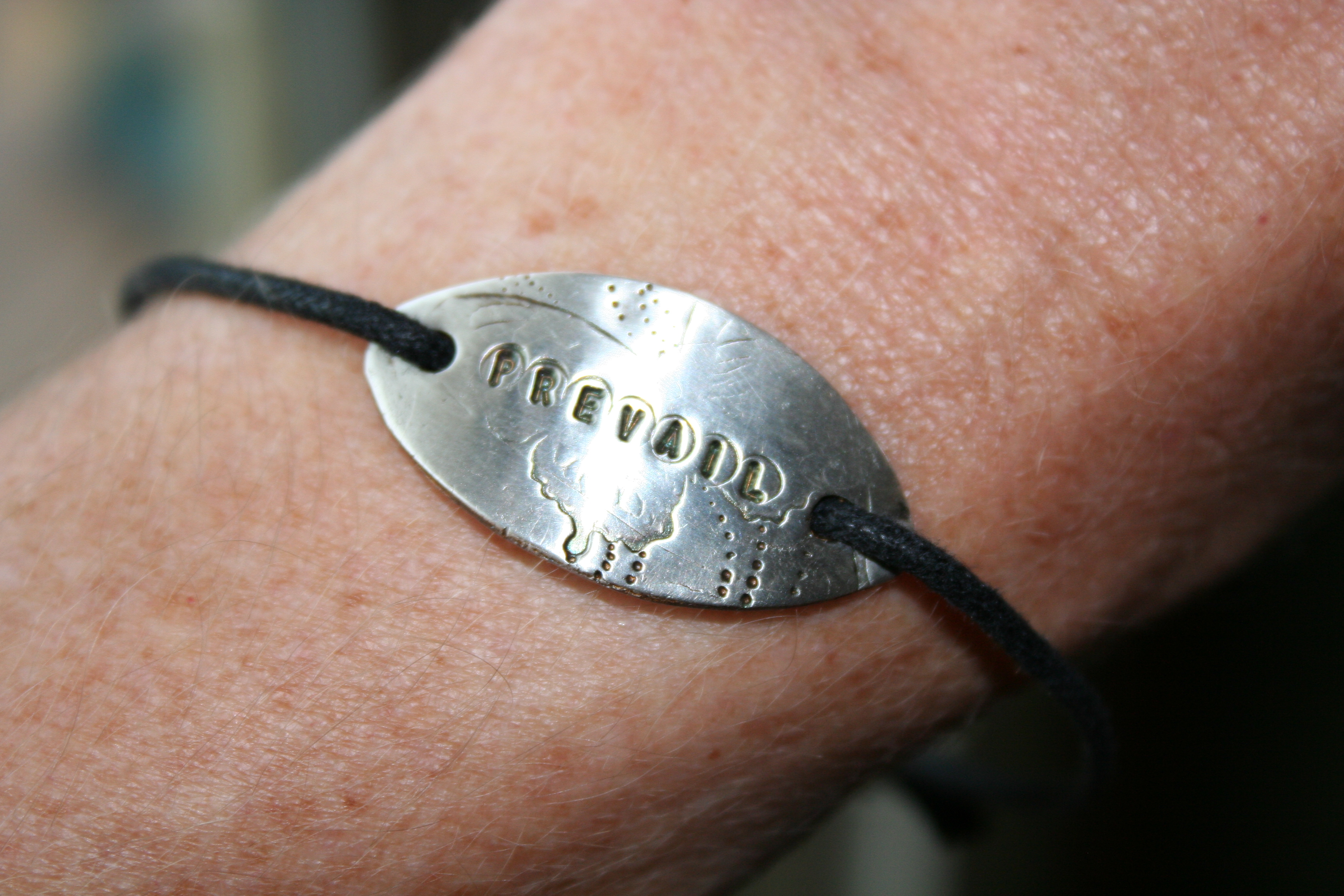
And then I remembered, as I always do when I have one of those creative-brain-all-over-the-place thoughts, that I’m in the middle of revising a YA novel that has been in and out of my life for years. I remembered that I really, really want and need to finish this novel. The want and need are wrapped up in the fact that I care about telling this story, but the want and need are also aligned with the instinct that’s telling me if I don’t finish the manuscript this go around, there will be serious repercussions in my writing life. It feels a bit do or die. Not as in THIS IS THE BOOK THAT’S GONNA GET ME MY BREAK, but as in this is the book that’s testing my mettle. I gotta prevail on this one. It feels as if I don’t finish the book, I will have given in to a schoolyard bully and might never venture back out on the playground.
So I put down the Paulsen books and decided that what I needed to do was quit pussyfooting around on my revisions. I needed to let go of the idea that I had to revise-revise-revise as I went along so that every single possible plot line and every single bit of characterization was exactly as it should be in final form. I decided that what I needed to do was revise in a more rough format SO THAT I ACTUALLY COMPLETE THIS DRAFT and then iron out minor issues and pretty up the language.
If I don’t take this approach, I fear this manuscript ain’t gonna happen which means an ugly domino effect.
So I fled the house (where I write every day) in search of mixing it up somewhere new. I landed at the library.

Here I am. Revising in a rough and tumble manner, and making progress.
.
I’ve been writing today so, of course, I’ve also done a fair amount of wandering into the kitchen to see what was happening in the food department. A few minutes ago I spotted a lone orange in the fruit bowl and picked it up with the intention of eating it slowly so as to procrastinate as long as possible promote healthy digestion. But then I realized it was one of those oranges. You know, an orange with that thin kind of rind that’s so difficult to remove you end up with a high percentage of orange still attached to the peel and/or because of aggressive peeling you end up gouging out chunks of orange with your thumbs? I know you know what I’m talking about.
Anyway, I put the orange back in the bowl and remarked to Zebu that I didn’t have the enthusiasm to mess with the peel. To which Zebu replied, “Roll it.”
Roll it?
Yes, people. Roll those oranges!

Note there are no thumb gouges in this specimen.
I rolled that orange on the table for about thirty seconds and then proceeded to remove the rind in one piece! It’s a freaking fruit miracle! This experience has expanded my world view to the extent that I will no longer avoid thin-peeled oranges. Because of what I learned today, I will face ALL citrus fruits with confidence.
When I told Zebu I was going to share this information as a Public Service Announcement he replied, “I think everyone already knows this, Mom.”
It’s probably true. I didn’t learn about apple slicers until Wildebeest was in kindergarten and one of the other moms used that awesome tool during a class party. (Confession: I also got really excited about that fruit technique.)
So maybe you already know how to roll. If that’s so, congratulations! But if not, then please go forth and roll those oranges!
.
Every writer knows about the internal editor,
that yammering
whispering
haranguing
insidious
voice
that says
Your story sucks
Your writing sucks
You suck so why don’t you give it up already?
I utilize different strategies for getting past my internal editor,
but without a doubt
the most effective approach is to keep writing.
Head down, pen moving.
Guaranteed, that voice will eventually shut up.
At least for a while.
In my experience, the external editors are sometimes harder to ignore.

Marcel and Loki insert themselves into the process.
.
A mountain is composed of tiny grains of earth.
The ocean is made up of tiny drops of water.
Even so, life is but an endless series of little details, actions,
speeches, and thoughts.
And the consequences whether good or bad of even the least of them
are far-reaching.
~ Swami Sivananda
.
GET FUZZY by Darby Conley

This old Get Fuzzy strip does not represent any personal animosity toward poets.
Rather, it’s more a statement on my current state of mind.
Specifically, my desire to punch something.
Although, stabbing would be equally therapeutic.
As Zebu would say, “Mom’s feeling a little stabby today.”
“Stabby and punchy.”
That’s me.
Shouldn’t there be a t-shirt or bumpersticker?
.
Woke up this morning feeling low,
nothing specific driving my blues.
More like a muffled blanket of sad
wrapped around me.
I forced myself out of bed for:
stretching
yoga
hooping.
Slightly better
but still wanted
to crawl back under the covers.
Grabbed some coffee and breakfast
along with my YA project notebook and pages.
Got to work.
Slightly better
but still blue around the edges.
Trying to use it to my advantage.
I merely took the energy it takes to pout and wrote some blues.
~ Duke Ellington
Because I’m always way behind regarding books, movies, and television shows (I tend to get around to watching stuff during the third season or, more often, after the series finale), I just finally read THE GOLDFINCH by Donna Tartt.

In case there’s anyone out there more behind the times than me, THE GOLDFINCH won the Pulitzer Prize for Fiction in 2014. It’s Donna Tartt’s third novel and weighs in at 771 pages (296,582 words).
I really liked this book. While it felt overwritten in places, it absolutely held my attention. I cared about thirteen-year-old Theo Decker, and continued to care about him as his story spanned the next fourteen or so years of his life. I learned interesting things about antiques and Dutch painters and the body’s capacity for drug and alcohol abuse. This story drew me in so much that I neglected my own writing for several days. I told Zippy that reading THE GOLDFINCH felt like one of my Netflix binges.
When I finished it yesterday, I went online to see what the reviewers thought. There were lots of strong opinions. Apparently, The New York Times reviewer and Stephen King both wrote positive reviews. I know this because I read part of a Vanity Fair article analyzing the entire spectrum of literary criticism aimed at THE GOLDFINCH. What really caught my eye was this (emphasis mine):
“Its tone, language, and story belong in children’s literature,” wrote critic James Wood, in The New Yorker. He found a book stuffed with relentless, far-fetched plotting; cloying stock characters; and an overwrought message tacked on at the end as a plea for seriousness. “Tartt’s consoling message, blared in the book’s final pages, is that what will survive of us is great art, but this seems an anxious compensation, as if Tartt were unconsciously acknowledging that the 2013 ‘Goldfinch’ might not survive the way the 1654 ‘Goldfinch’ has.” Days after she was awarded the Pulitzer, Wood told Vanity Fair, “I think that the rapture with which this novel has been received is further proof of the infantilization of our literary culture: a world in which adults go around reading Harry Potter.”
Again, it’s quite possible I’m late to the party here (I know that dissing children’s literature is fairly common.) But his comments are very interesting in light of a book I read last night right before going to sleep.

LEROY NINKER SADDLES UP is 90 pages long and contains 5,972 words.
I loved this little book. I cared about Leroy Ninker and his horse Maybelline. And as with THE GOLDFINCH’s secondary characters, I got a very good sense of the people in Leroy’s life. I understood who they were and what they were about. Leroy’s character arc was complete and satisfying, and I rooted for him the whole way. I was engaged in his struggles and kept turning the pages to find out what happened next. Kate DiCamillo made this possible in fewer than 6,000 words.
Adult literature is one thing and children’s literature is another separate entity, except when its not. The truth is, they’re both about story. And sometimes you need 300,000 words to tell that story and other times only 6,000. All that should matter is whether it’s done well.
One of my favorite writing strategies is to take a running start at a manuscript, a technique that works for me both in the drafting and revising stages.
How do I define a running start?
A running start is sometimes merely rereading the work from the previous day in order to find my rhythm so that I can continue in that flow. Most days that’s all I need in order to keep going.
Other days, however, the nasty voices whisper so loudly in my head I worry that writing in that mindset will result in me inflicting big-time damage on my manuscript. I’m talking crash-and-burn, holy-hell-how-did-we-end-up-on-this-tangent kinda damage OR, worse-case scenario, convincing myself that the only logical response to the crap I’ve put down on paper is to give up on the project, my writing, and all dreams. Forever.
Those are the days in which my running start requires that I go back to page one and read everything I’ve written/revised thus far.

Image from morguefile.com
Today was a nasty voices day. So I read the 50+ pages of revised manuscript and, as predicted, my literary goblin’s voice faded away. I liked what I read. I was proud of what I’d written and felt a renewed enthusiasm for the project. I made progress on the revision.
It’s important to note that there are multiple decisions required of this strategy. I have to ask myself two questions:
1) Is this a regular running start kinda day or a Page One running start day?
If I immediately know the answer, it’s all good. If not, I ask myself the following:
2) Are the nasty voices so relentless they will dominate no matter what I try?
If the answer is Yes, it’s best to not even fight back. No running start, no writing, no thinking about the project.
There’s always another day and another perspective.
I’m wired for daily exercise.
Foam roller stretching.
Yoga.
Hoop dancing.
Walking.
Running.
Weight lifting.
Gardening.
I require movement of one kind or another
to maintain my mental health.
I just spent the morning in bed with my laptop
and the biggest use of muscles came when I poured more coffee.
My normal response to that inactivity would be a sense of unease or guilt.
But you know what?
I’m feeling good because I made solid progress on my YA.
I exercised my creative muscles, yo.

I just turned in the second of two nonfiction projects due this month.
Oh, happy day!
Don’t get me wrong, I do enjoy nonfiction.
I love the research and
the learning and
the challenge of distilling all that information for young readers.
But right now I’m happy happy happy
knowing that I’m (temporarily, at least) going back
to fiction
where it is not necessary to footnote every single sentence.
Fiction: where it’s all about making up shit.
Be still, my heart.
Lately I’ve been reminded how fortunate I am to have the sanctuary of a fictionalizing brain. When life gets tough and it feels as if the sun’s never coming back, it’s such a gift to be able to escape into my head. I can think about my characters, their challenges and triumphs, and the endless possibilties for telling their stories. I get to picture them in their homes and schools. I’m privy to their emotions and conversations, and experience awe each time a character reveals her true self to me. That magic never gets old.
I am thankful for the secret lives and stories I carry in my head throughout the mundane and most challenging moments of my life. My fictionalizing brain is my secret weapon.
Good thing no one can see inside my head, though. That stuff probably looks a little scary.

A perfect representation of me and my process. Including the axe.
Yesterday I sent off the manuscript for the first book of mine that will be published. It’s a short work-for-hire book about composting and how to build a compost tumbler. (One of my critique partners (yo, LP!) is a nonfiction goddess who guided me every step of the way as I applied to the editorial company. Thank you, friend!)
One of the hardest parts of that writing process was switching from my fiction brain to my nonfiction brain. Plus there was the research that triggered my ADD tendencies, writing to a lower reading level, explaining complex concepts in a simplified format, footnoting and formatting, glossary terms and pronunciation keys . . . Suffice to say there was a steep learning curve and a few tears of frustration.
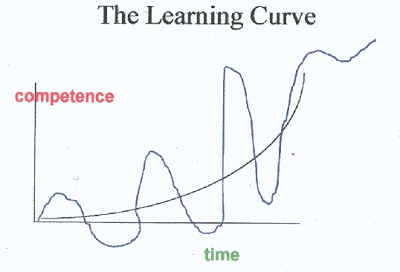
But I put my head down to push through the doubts and nasty voices, and I prevailed. Plus, I (mostly) kept to my promise to myself and worked on my middle-grade novel revisions every day. I learned to bounce from fiction to nonfiction and back again. And it felt like a real accomplishment to hit SEND when I emailed my manuscript yesterday.
This morning Zippy and I went out for our run on the trails. As we took off, I mentioned how I wished we could take a different route out there in the open space. I love the trails and they’re kinder to my body than pavement as I pound out the miles, but lately I’ve noticed my mind wanders when I run. And my mind shouldn’t wander when there are rocks and knapweed and eroded trail segments to navigate. But it wanders because I’m comfortable with my route; I’ve run it so often I can close my eyes and visualize exactly where the rabbit brush stalk sticks out onto the trail and how far up the trail past the turn-off it is that I need to side-step a cluster of partially submerged rocks.
So today Zippy took the lead and he mixed it up. He took us on side trails and detours, but the biggest change was we ran parts of the route in reverse. Which meant I was running downhill where I’m usually straining to run uphill, and struggling up the steep inclines where I’m used to flying down the trail.
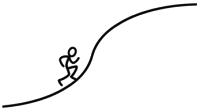
Talk about a learning curve. I thought my brain was going to explode! (Not to mention the other very real concern that I was about to barf up a lung).
Well, I eventually made it home and recovered enough to have today’s deep thought:
It’s good to step outside my comfort zone because doing so allows me to learn new skills and expand my muscles (whether brain or brawn). Becoming more flexible ain’t always pretty, but it’s necessary.
(1) I used to be kinda indifferent about Led Zeppelin, but for the past couple months have been mainlining it at a LOUD volume.
(2) I’m still having to run back and forth on the one flat street in my neighborhood due to glute issues and yesterday did three miles with the help of Sly & the Family Stone.
(3) I’ve started working part time as a substitute library page which means I shelve books at various local libraries, and have developed a love-hate relationship with the Dewey Decimal System.
(4) I’m revising a manuscript and enjoying the process which I call a WIN.
(5) If this rain doesn’t let up soon, I’m gonna scream loud enough to be heard over the Led Zeppelin.

For a long time I mostly resisted watching those “Inside the Episode” segments that seem to be all the rage in cable shows. They come on after the episode to supposedly give you a behind-the-scenes glimpse into that creative world. But one “insider” bit I’d watched had the show’s creator saying stuff about the characters that was so obvious, it felt like talking for the sake of talking. (I’m looking at you, Lena Dunham.)
Zippy and I have recently started watching a show we really like, and thought we’d give the “insider” thing another try. We watched a few of those segments and enjoyed getting the creators’ take on what they were trying to accomplish. However, the last one I watched was especially valuable for me as a writer.
The creators/writers talked about an interaction between two of the characters and said the one character acted selfishly and purposely put down the other character. That wasn’t my take. I’d interpreted the first character as being a bit clueless, but also truly coming from a good place. I’d still liked and rooted for her until I got the insider treatment which has now warped my sense of that character.
My two takeaways:
1) Stop watching “Inside the Episode” segments
2) I can’t control how readers will react to what I’ve written.
There’s intent and then there’s interpretation.
John Irving wrote in the opening to Trying to Save Piggy Sneed,
“Half my life is an act of revision.”
Ain’t that the truth.
I share Mr. Irving’s love of revision. I enjoy blue ink on paper, deleting the fat and plumping up the skinny parts. I love drilling down to find the essence of what I want to convey.
Right now I’m revising the first several chapters of my YA. Again. I recently received stellar editorial input on my opening pages that has allowed a minor miracle: I am reading the pages with new eyes. I’ve already worked and worked and worked some more on those chapters, yet this editor’s input changed my perception of what was there on the page. It’s as if her reaction to what she read is forcing me to “defend” each and every word, every motivation. I’m no longer reading the pages with the mindset of someone who knows the entire story and all the backstory, but as a brand new reader! I didn’t think it was possible to read stuff I’d already read gazillions of times with fresh eyes, but it is. It really is.
Wow. Amazing stuff. Yet I’m alternating between thinking, “This is so cool that I have this new heightened awareness!” and “What is wrong with me that it’s taken so long to achieve this awareness that any writer worth her laser printer should already have?!”
So, in an effort to be kinder to myself, I’m focusing on this quote from Ernest Hemingway:
“We are all apprentices in a craft where no one ever becomes a master.”
Take that, nasty voice! I will prevail.
 Tracy Abell